Choosing the right screws for window and door installation may seem like a small detail, but it has a major impact on strength, alignment, weather resistance, and long-term performance. The best screw depends on the frame material, wall substrate, window size, installation method, and exposure conditions. Using the wrong type or size can lead to loose frames, damaged profiles, poor sealing, or premature corrosion.
This guide explains the main factors to consider so you can select suitable screws for uPVC, aluminum, and other window and door systems.
Key Takeaways
- Match the screw to the frame material – uPVC and aluminum may require different fasteners.
- Choose the correct length and diameter – the screw must provide secure anchoring without damaging the frame.
- Consider the wall or substrate – concrete, brick, timber, and metal require different fixing methods.
- Use corrosion-resistant screws outdoors – stainless steel or suitable coated fasteners improve durability.
What screws are generally used for window and door installation?
When installing windows and doors, it is important to carefully select the screws that will be used. This will ensure proper anchoring and stability of each fixture. This guide will highlight key factors that you should consider when choosing window installation screws based upon UPVC or aluminium frames.
Important considerations when selecting window installation screws
There are several factors to consider when selecting screws for the installation of windows:
Size of Window
To determine the correct screw size, it is important to measure the window dimensions. Consider the following:
- The window should be measured accurately for both its width and height.
- Consider any additional weight requirements or load-bearing needs.
- Note the type of window you are installing.
Screw Material and Type
It is important to choose the right material and screw type for your window installation. Consider the following:
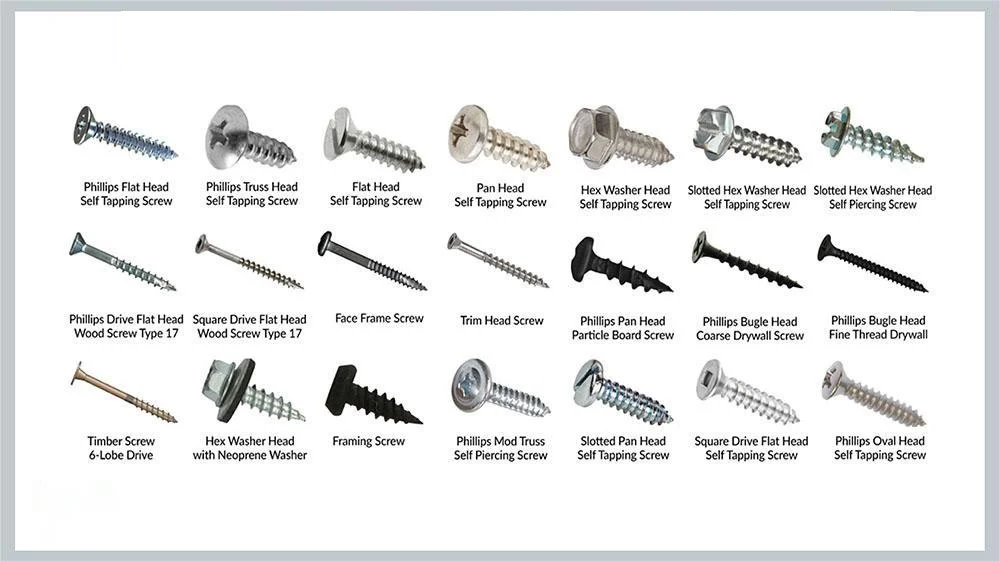
- Self-tapping screw: These screws are self-drilling and have sharp tip. They make installation easier on materials such as UPVC or aluminum.
- Materials that resist corrosion: Choose screws made of stainless steel or aluminium to avoid rusting and corrosion.


Screw Diameter and Length
For a durable and secure window installation, it is important to select the right screw diameter and length. Consider the following:
- Screw length: Select a screw length that will allow for proper anchoring, without going too deep into the frame of the window or leaving it unsecured.
- Screw diameter: To maintain structural integrity, the screw diameter should be the same as the thickness of your window frame.

Recommended Screws to Fit Windows
The screws required for different window frame materials are different. Here are the recommended screws for UPVC and aluminum frames.
UPVC frames
UPVC frames are durable and offer good insulation. They require specific screws to install. Consider these factors:
- Self-tapping screw: These screws are designed for easy installation and to cut through UPVC easily.
- Choose corrosion-resistant screws. Stainless steel or aluminum screws will prevent the frame from deteriorating over time.
- Countersunk or flat head screws provide a flush look, which is clean and attractive.
Aluminum Frames
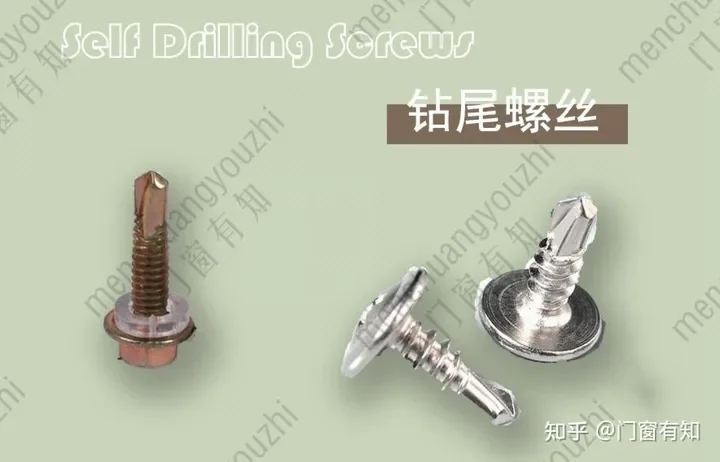
Aluminum frames are lightweight, corrosion-resistant and require specialized screws and pair well with multi-panel systems like our aluminium bifold windows. Here are some recommended options:
- Self-drilling screw: These screws are equipped with a drill tip, which can be used to penetrate aluminum frames without pre-drilling.
- Screws that resist corrosion: Use stainless steel or aluminium screws to maintain the frame integrity and prevent corrosion.
- The heads of these screws offer excellent grip when fastening aluminum frames.

Comparison of Screws and Nails for Window Installing
There are several advantages to using screws for window installation over nails. We’ll look at the advantages of screws and the disadvantages of nails.
Use Screws for Benefits
- Stability and durability are improved: Screws ensure a secure and durable installation that prevents window movement and loosening with time.
- Easy installation and removal of screws: Screws are easily installed, adjusted or removed to allow for future maintenance and flexibility.
Nail Use
- Weakening structural integrity: Nails weaken the frame of the window, causing instability and possible damage.
- It is difficult to replace or adjust windows. Nails are more difficult to remove than screws.
Exterior vs Interior Installation Screws
The environment around a window or door has a major effect on which screws should be used. Exterior fasteners face rain, humidity, temperature changes, condensation, and sometimes salt exposure, so corrosion resistance becomes especially important. Interior screws usually face milder conditions, but moisture can still be a concern in bathrooms, kitchens, basements, or other humid spaces.
| Factor | Exterior Installation Screws | Interior Installation Screws |
|---|---|---|
| Corrosion resistance | High priority; use stainless steel or suitable corrosion-resistant coatings | Usually moderate, depending on indoor humidity |
| Moisture exposure | Frequent exposure to rain, condensation, and outdoor humidity | Generally limited, except in damp rooms |
| Common materials | Stainless steel, coated carbon steel, or manufacturer-approved exterior fasteners | Zinc-plated, coated, stainless steel, or other approved fasteners |
| Coastal environments | Higher corrosion resistance is recommended due to salt exposure | Usually less demanding unless near open coastal air |
| Weather resistance | Must withstand changing temperatures and wet/dry cycles | Less exposed to temperature and weather changes |
| Appearance | Head finish may need to match visible exterior frames | Usually less critical unless fasteners remain visible |
| Best use | Exterior windows, entrance doors, balconies, façades, exposed openings | Interior doors, internal frames, partitions, and protected openings |
When to Choose Exterior-Grade Screws
Use exterior-grade fasteners when the screw may be exposed to:
- Rain or wind-driven moisture
- Outdoor condensation
- Coastal or salt-air conditions
- High humidity
- Repeated temperature changes
- Exterior cleaning chemicals or pollutants
For coastal or highly corrosive environments, higher-grade stainless steel fasteners may provide better long-term protection than standard plated screws.
When Interior Screws Are Suitable
Interior screws may be appropriate for:
- Internal doors
- Interior window or partition frames
- Dry, climate-controlled spaces
- Protected fixing points with little moisture exposure
However, kitchens, bathrooms, laundry rooms, and basements may still require better corrosion resistance because of higher indoor humidity.
Avoid Mixing Incompatible Metals
Fastener material should also be compatible with the window or door frame. Contact between dissimilar metals can increase the risk of galvanic corrosion, particularly when moisture is present. This is especially relevant for aluminum frames and exterior installations.
For the final selection, follow the window, door, or fastener manufacturer’s requirements for material, coating, screw size, and environmental exposure.
What are the side screws on replacement windows for?
Side screws are essential for ensuring additional stability and security when installing replacement windows. Consider the following:
Understanding Side Screws Functions
The side screws prevent the frame from shifting or moving, which ensures a secure installation. These screws provide additional stability and reinforcement, improving the performance of replacement windows.
Use of screws at the bottom of a window
Include screws at the bottom to add a layer of support and reinforcement. Consider the following:
Why Use Screws on the Bottom?
- Weight distribution: Screws on the bottom of the windows help distribute weight evenly. This reduces stress and prevents sagging.
- Additional reinforcement: Screws can be used to reinforce the bottom of the glass, providing additional durability and stability.
Conclusion
It is important to choose the correct screws for your window and door installation. This will ensure that you get a long-lasting and secure result. You should consider factors like the window size, the screw type and material and specific recommendations for UPVC and aluminum frames. You can install windows with confidence by prioritizing safety and durability.
When you buy windows and doors from ORIDOW, the installation screws are all included.
Specialty Screws for Window Installation

Beyond standard self-tapping and self-drilling options, certain applications call for specialty fasteners:
- Security screws: Tamper-resistant heads prevent unauthorized removal important for ground-floor and accessible windows in commercial or multi-unit buildings.
- Decorative fasteners: Match the frame finish (brushed aluminium, matte black, white) for a polished look on visible exterior installations.
- Thermal-break fasteners: Non-conductive materials prevent heat transfer through the screw itself essential in thermally broken aluminium frame systems where thermal performance is critical.
Screw Head Styles and Their Applications
Choosing the right head style affects both function and appearance:
- Truss head: Wide, flat underside grips rough openings well best for structural fixing to masonry or timber surrounds.
- Pan head: Sits flush with the frame surface; suits visible exterior applications where a neat profile matters.
- Flat (countersunk) head: Recesses below the surface the preferred choice for side screws to maintain a tight weatherseal without protrusions.
- Hex head: Requires a socket wrench; preferred for bottom sill screws where higher, controlled torque is needed.
Installation Best Practices
Correct technique is as important as selecting the right screw:
- Spacing: Position side screws every 12–18 inches along aluminium and vinyl frames. Closer spacing may be needed for hardwood frames or heavy window units.
- Torque: Set a torque wrench to 5–8 foot-pounds for most residential installations. Over-tightening warps frames; under-tightening allows movement and air infiltration.
- Stainless steel grades: Grade 304 works for most exterior installations; Grade 316 is recommended for coastal and high-humidity environments due to superior salt corrosion resistance.
- Pre-drilling: Always pre-drill in hardwood or thick aluminium to avoid splitting frames and stripping holes.
Troubleshooting Common Window Screw Problems
Loose Side Screws
Re-tighten carefully within the recommended torque range. If screws keep loosening, apply a thread-locking compound or add bottom sill screws to improve overall weight distribution.
Stripped Screw Holes
Options include filling with epoxy or wood filler, inserting reinforced metal anchors, or repositioning the screw slightly to find undamaged material. Oridow windows include pre-drilled guide positions that make repositioning straightforward.
When to Replace vs. Adjust
Tighten or apply thread-lock for minor loosening; refill stripped holes for moderate damage. Replace screws entirely when visible corrosion appears, the head is damaged, or the frame shows persistent warping despite correct torque application.
FAQs About Window Installation Screws
What screws are best for window installation?
Self-tapping screws suit UPVC frames for their grip, while self-drilling screws excel with aluminum frames. Stainless steel resists rust in both cases.
How do I measure screw size for windows?
Measure your window’s width and height, then pick a screw long enough to anchor (e.g., 1.5-2 inches) without piercing the frame. Match diameter to frame thickness, like #10 for UPVC.
Why use screws instead of nails for windows?
Screws offer a tighter hold and adjustability, keeping frames stable. Nails loosen over time and damage frames when removed.
What are side screws on replacement windows for?
Side screws secure the frame’s alignment, preventing shifts. They’re key for replacement windows needing extra reinforcement.
Should I use screws at the bottom of a window?
Yes, bottom screws distribute weight and prevent sagging, especially for heavy or wide windows. Pair with side screws for full support.
Can I use the same screws for UPVC and aluminum frames?
Not always. UPVC needs self-tapping screws to grip plastic, while aluminum prefers self-drilling screws for metal penetration. Stainless steel works for both if corrosion’s a concern.
How many screws do I need for a window?
Plan 2-3 screws per side for standard windows, plus 1-2 at the bottom for larger ones. Adjust based on weight and frame size.