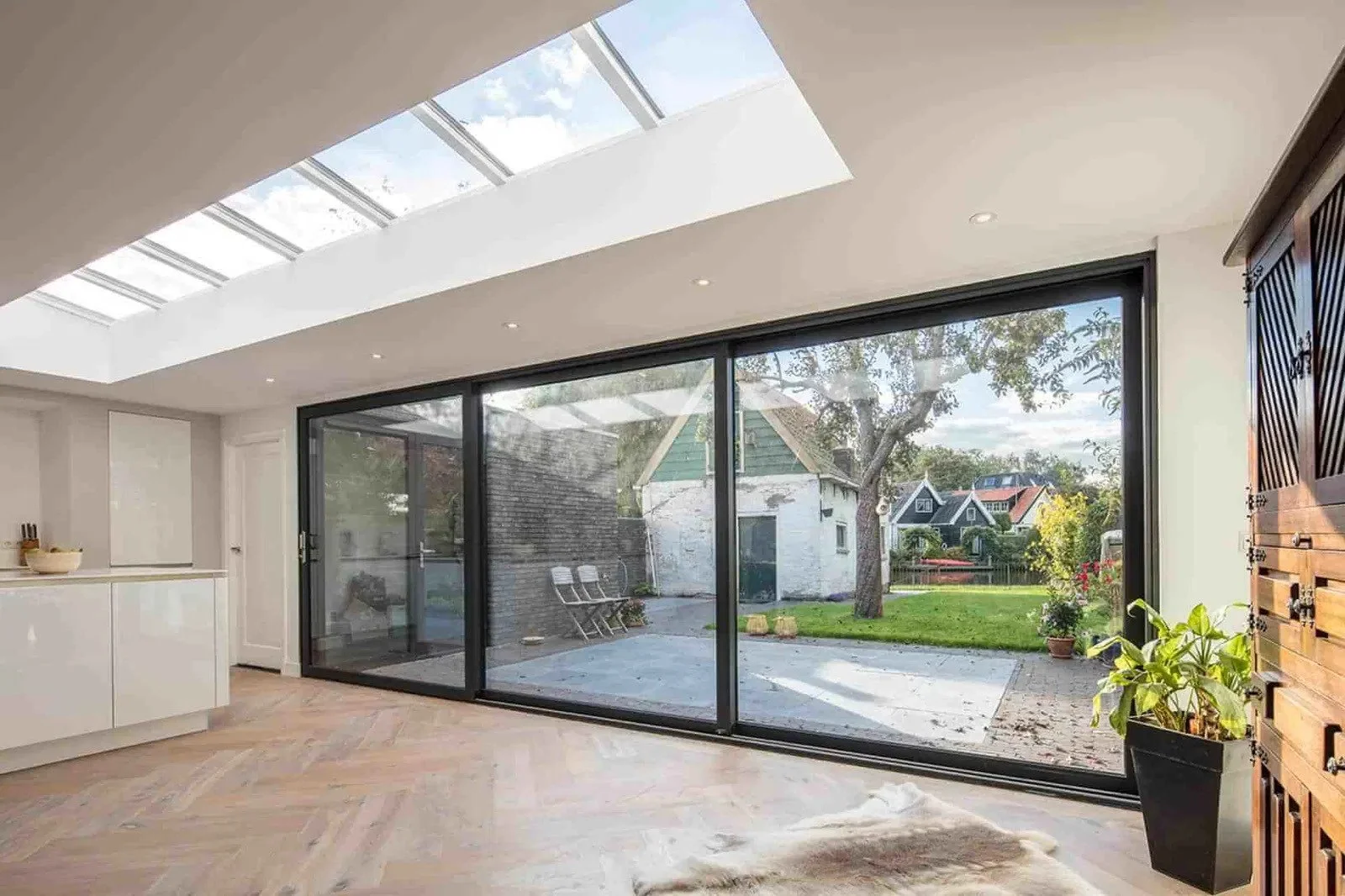
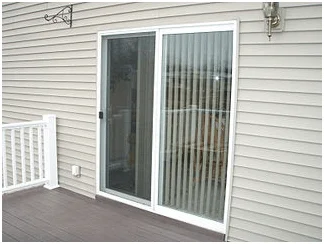
If you’re like most homeowners, you chose uPVC windows and doors because they’re durable, energy-efficient, and low maintenance. But here’s the truth many people don’t realize early enough: low maintenance doesn’t mean no maintenance.
Regular, correct cleaning is the difference between uPVC that looks new for decades and uPVC that yellows, stiffens, or loses its seal far earlier than expected.
What Is uPVC and Why Does Cleaning Matter?
uPVC (unplasticized polyvinyl chloride) is a rigid, weather-resistant material widely used for modern windows and doors due to its strength, insulation properties, and resistance to rot or corrosion.
However, uPVC is still exposed to:
- UV radiation
- Air pollution
- Salt (in coastal regions)
- Dust, grease, and moisture
Over time, these elements create surface oxidation, discoloration, and seal degradation if not cleaned correctly.
Why proper cleaning is essential
- Preserves appearance and curb appeal
- Maintains thermal and acoustic insulation
- Prevents seal and hardware failure
- Extends product lifespan (often beyond 20–30 years)
- Protects your home’s resale value
In short: clean uPVC lasts longer and performs better.
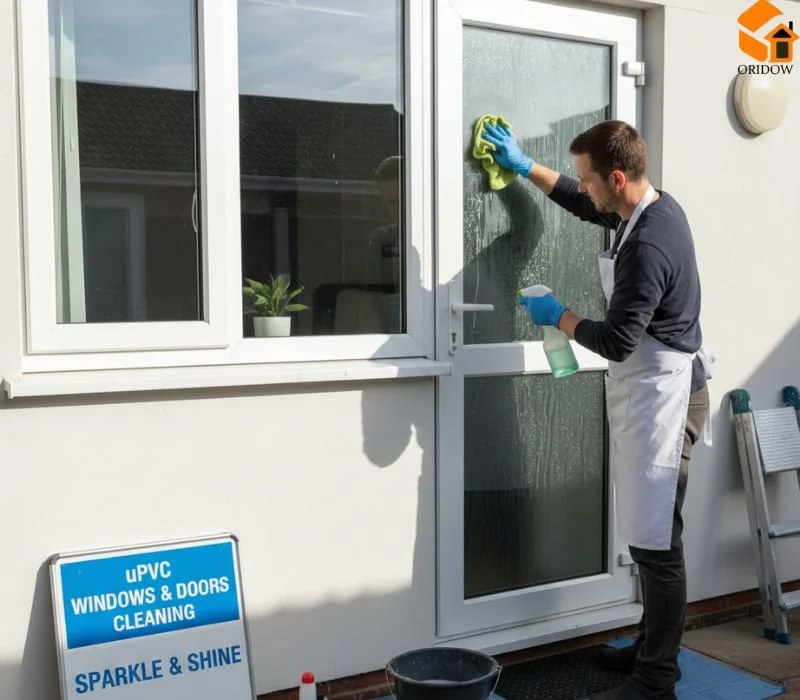
How Often Should You Clean uPVC Windows and Doors?
General cleaning frequency guideline
- Every 3–4 months → Standard residential areas
- Monthly → Coastal, industrial, or high-pollution areas
- Twice a year minimum → Hinges, tracks, seals, drainage
Industry installers often note that environmental exposure, not product quality, is the 1 cause of premature uPVC aging.
How Do You Clean uPVC Windows and Doors Properly?
This is where many homeowners accidentally cause damage. Let’s break it down step by step using industry-safe best practices.
Step-by-step uPVC cleaning process
1. Remove loose dirt first
- Use a soft brush or dry microfiber cloth
- Avoid rubbing grit into the surface
2. Use the right cleaning solution
- Warm water + mild dish soap
- Or a uPVC-specific cleaner
- Never use unknown “multi-surface” chemicals
3. Clean frames gently
- Soft cloth or non-abrasive sponge
- Work from top to bottom
- Pay attention to corners and joints
4. Clean glass separately
- Use streak-free glass cleaner
- Avoid letting glass cleaner sit on uPVC frames
5. Rinse and dry
- Clean water rinse
- Dry immediately to prevent water marks
This method protects the uPVC surface layer, which is critical for long-term resistance to discoloration.
What Should You Never Use on uPVC?
One of the fastest ways to ruin uPVC is using the wrong tools or chemicals even once.
Avoid these completely
- Abrasive pads or scouring sponges
- Bleach, acetone, ammonia, or solvents
- Nail polish remover or paint thinner
- Cream cleaners with grit
- High-pressure washers aimed at seals
These damage the outer protective layer, leading to:
- Permanent yellowing
- Surface pitting
- Brittleness over time
If your uPVC has already been affected, restoration creams may help but prevention is always better.
How Do You Clean uPVC Door Tracks, Hinges, and Locks?
Cleaning uPVC door tracks, hinges, and locks is just as important as cleaning the frames and glass, yet it is often overlooked. These moving components are exposed to dust, moisture, and everyday wear, which can cause doors to stick, squeak, or fail to close properly over time. Regular care keeps them operating smoothly, extends their lifespan, and protects the overall security of your door. With the right cleaning methods and light maintenance, you can prevent buildup, reduce friction, and ensure your uPVC doors continue to function safely and effortlessly.
Frames may be visible, but hardware and tracks are what keep your doors and windows functioning smoothly.
Best practice for moving parts
- Vacuum dirt from tracks
- Wipe with warm soapy water
- Clear drainage holes
- Dry thoroughly
- Apply silicone-based lubricant once a year
Avoid oil-based sprays they attract dirt and harden over time.
Well-maintained hardware:
- Prevents sticking
- Reduces wear
- Extends lock and hinge life
This is especially important for sliding uPVC doors.
Can You Restore Yellowed or Stained uPVC?
Yes sometimes.
When restoration works
- Light oxidation
- Surface stains
- Pollution buildup
uPVC restoration creams can:
- Remove surface discoloration
- Improve brightness
- Add temporary UV resistance
When replacement is smarter
- Deep yellowing throughout the material
- Cracks or brittleness
- Seal failure or warping
Window specialists often note that severely degraded uPVC cannot be fully reversed, only improved cosmetically.
How Cleaning Affects Energy Efficiency & Performance?
Many people don’t connect cleaning with energy performance, but they should.
Clean uPVC windows and doors:
- Seal more tightly
- Reduce drafts
- Maintain thermal insulation
- Improve acoustic performance
Dirty tracks or hardened seals create micro-gaps that increase:
- Heat loss
- Cooling costs
- External noise
In energy-efficient homes, maintenance protects efficiency ratings over time.
DIY Cleaning vs Professional uPVC Cleaning Services
So, should you do it yourself or hire a professional?
DIY is ideal for:
- Routine cleaning
- Homes under 2 stories
- Light staining
Professional cleaning helps when:
- Stains are stubborn or widespread
- Frames are heavily oxidized
- Property is multi-story
- You want periodic restoration
Professionals use:
- uPVC-safe chemicals
- Restoration compounds
- Correct pressure and tooling
For most homeowners, DIY + annual professional deep clean offers the best long-term outcome.
Future Trends in uPVC Cleaning & Maintenance
uPVC windows and doors have long been valued for their durability and low-maintenance performance, but the next generation of uPVC technology is set to make care even easier. As building standards evolve and homeowners prioritize sustainability, energy efficiency, and smart living, uPVC cleaning and maintenance solutions are becoming more advanced, efficient, and intelligent. These innovations focus on reducing manual effort, extending material lifespan, and improving overall building performance.
Self-Cleaning Surface Coatings
One of the most significant advancements in uPVC technology is the development of self-cleaning surface coatings. These coatings use dirt-repellent and hydrophobic properties to prevent dust, pollutants, and water stains from adhering to the surface. Instead of clinging to the frame, dirt is rinsed away naturally by rain or light washing. This innovation significantly reduces cleaning frequency and minimizes the need for chemical cleaners, making maintenance easier and more environmentally friendly for homeowners.
Enhanced UV-Resistant Formulations
Exposure to ultraviolet (UV) radiation is one of the main causes of uPVC discoloration and surface degradation. Future uPVC formulations now include advanced UV-resistant compounds that slow down oxidation and reduce long-term yellowing. These enhanced materials help frames retain their original color and structural integrity for longer periods, even in harsh climates. As a result, homeowners can expect improved visual consistency and reduced need for restorative treatments or premature replacement.
Sustainable uPVC and Green Cleaning Solutions
Sustainability is becoming a priority in construction and home maintenance, and uPVC is no exception. Modern manufacturing processes increasingly use recyclable materials, allowing uPVC frames to be reused at the end of their life cycle. Alongside this, biodegradable and low-VOC (volatile organic compound) cleaning products are replacing traditional harsh chemicals. These green cleaners protect indoor air quality, reduce environmental impact, and align with stricter environmental regulations without compromising cleaning performance.
Smart Home Maintenance Alerts
The integration of smart technology is transforming how homeowners manage uPVC maintenance. Emerging smart systems can detect changes in seal performance, moisture buildup, or hardware wear using embedded sensors. These systems provide automated alerts for cleaning, lubrication, or servicing, preventing minor issues from becoming costly repairs. Predictive maintenance scheduling ensures uPVC windows and doors continue to perform efficiently, supporting comfort, safety, and long-term value.
Key Takeaways for uPVC Owners
- Clean uPVC regularly, not aggressively
- Use mild, material-safe products only
- Maintain hardware and seals not just frames
- The environment determines cleaning frequency
- Proper care extends lifespan by decades
Think of cleaning as asset protection, not cosmetic upkeep.
Conclusion
uPVC windows and doors are engineered for longevity, but they still rely on your care. When cleaned correctly and consistently, they retain their appearance, efficiency, and performance far beyond their warranty period.
As future materials become smarter and more sustainable, the fundamentals remain the same: gentle cleaning, routine care, and informed maintenance.
If you treat your uPVC as part of your home’s long-term system not just a surface it will repay you with comfort, energy savings, and value for decades.
Frequently Asked Questions
How do you clean uPVC windows without damaging them?
Use warm water, mild detergent, and a soft cloth. Avoid abrasives and harsh chemicals. Clean gently, rinse thoroughly, and dry immediately.
Can vinegar be used on uPVC windows?
Diluted vinegar can remove light stains or mildew, but it should be used sparingly and rinsed thoroughly to avoid surface dulling.
Why is my uPVC turning yellow?
Yellowing is caused by UV exposure, pollution, or aggressive cleaners damaging the protective layer over time.
How long do uPVC windows and doors last?
With proper cleaning and maintenance, quality uPVC windows and doors can last 20–30 years or more.
Are professional uPVC cleaners worth it?
Yes, especially for restoration, heavy staining, or large properties. Professionals extend lifespan and improve appearance safely.