

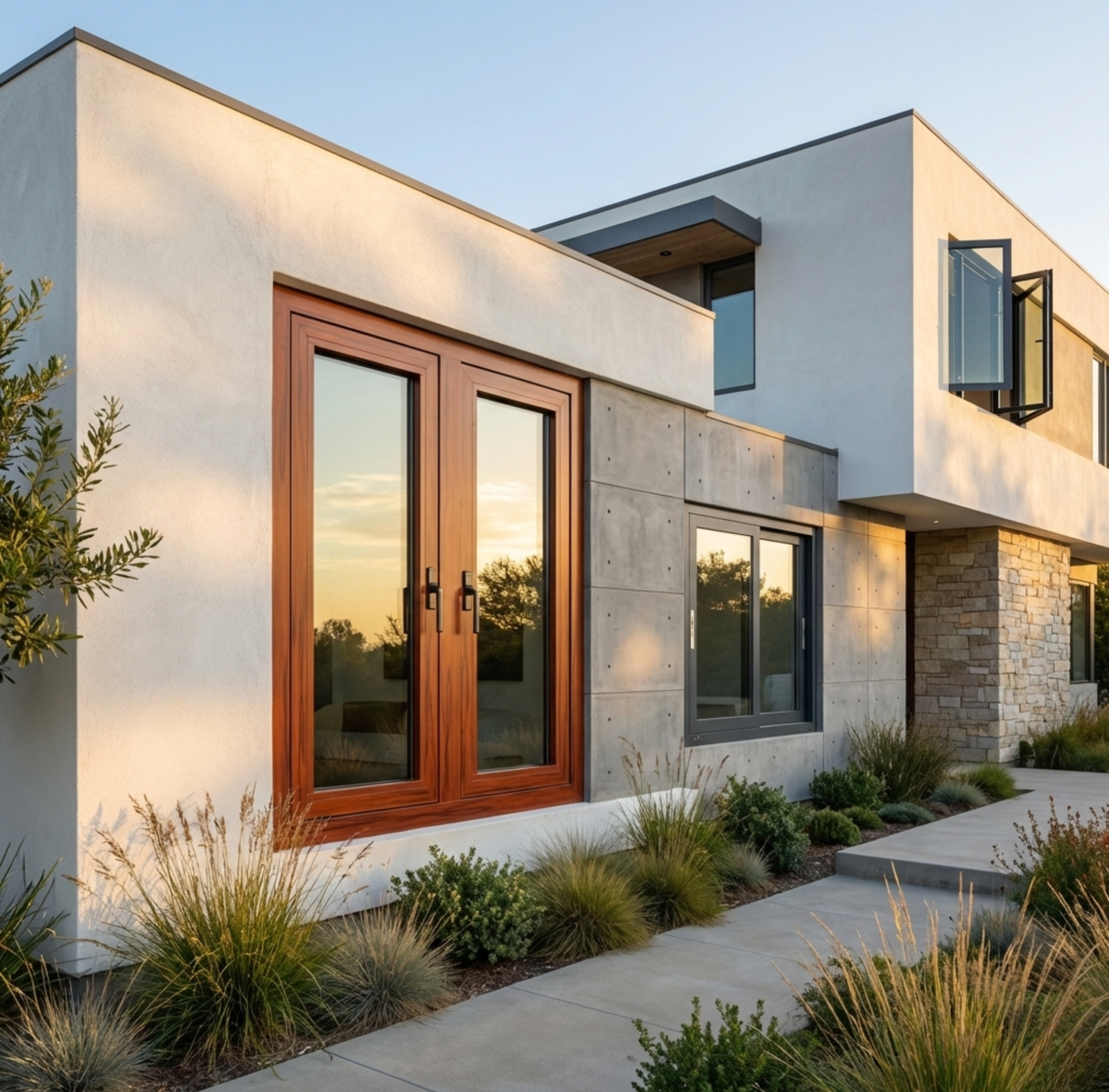
Are you planning to upgrade your windows or choose the right material for a new construction project? Aluminum windows have become one of the most popular choices for both residential and commercial buildings thanks to their strength, modern appearance, and long lifespan.
However, like any building material, aluminum windows come with both advantages and limitations. In this ultimate guide, we’ll explore the pros and cons of aluminum windows, how they compare to other window materials, their performance in different climates, and what to consider before buying aluminum window frames for your home or project.
What Are Aluminum Windows?
Aluminum windows are window frames made primarily from aluminum alloy, often combined with advanced glazing and thermal break technology. They are known for their strength, slim profiles, and modern appearance, making them ideal for large glass panels and contemporary designs. Thanks to innovations in thermal performance and coatings, aluminum windows today are very different from the older versions many homeowners still remember.
Why Aluminium Windows
The malleability (the quality of being capable of being molded) and flexibility of aluminum are maybe the most fundamental reasons for the widespread usage of aluminum as a material for a window frame. Aluminium is widely used for window frames because it is strong, flexible, and easy to shape, making it ideal for modern window systems.
Key reasons include:
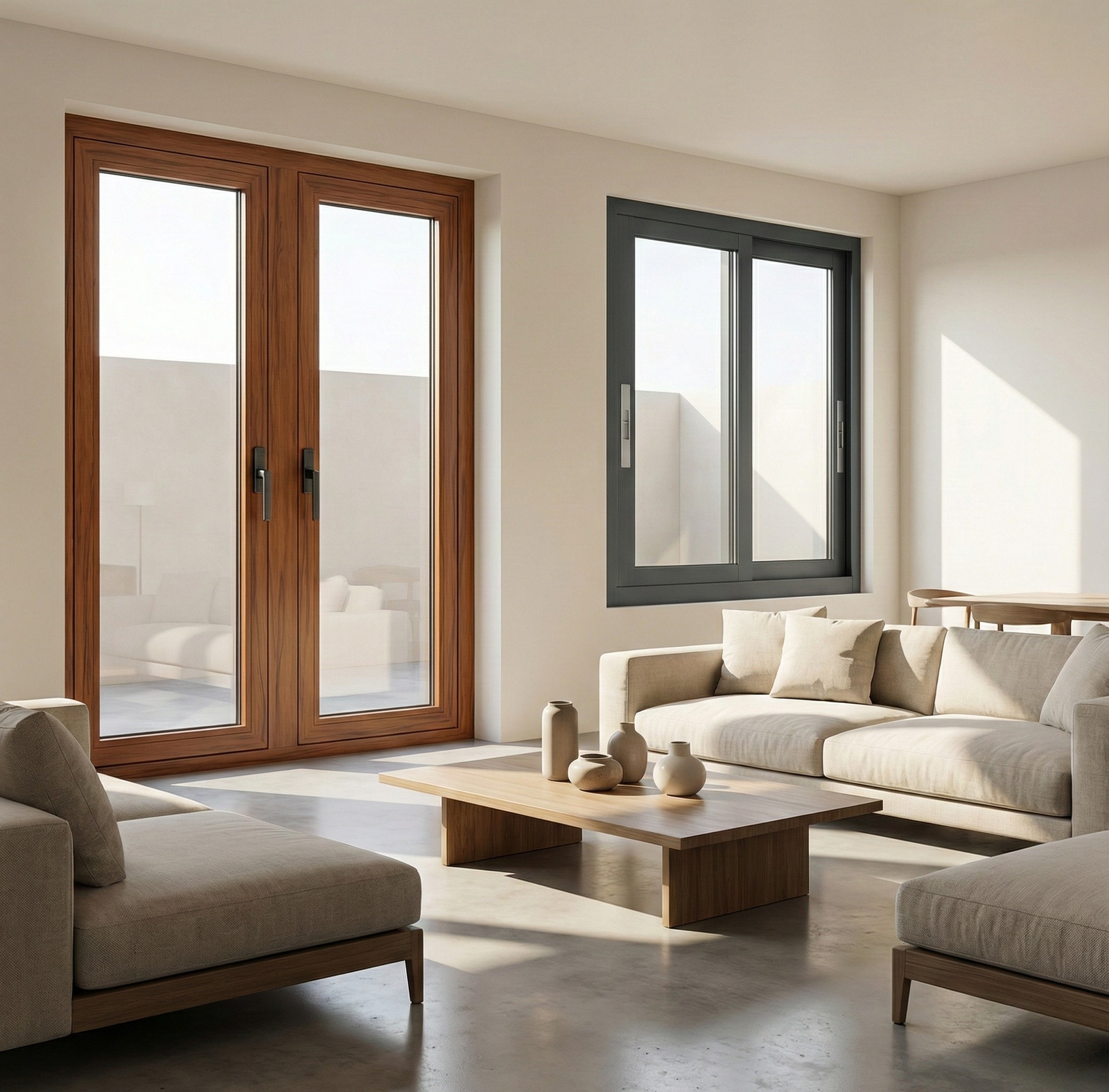
Pros of Aluminum Windows for Residential and Commercial Use
They don’t rust
One of the biggest advantages of aluminum windows is their resistance to rust and corrosion. Unlike steel, aluminum does not contain iron, which means it will not rust even when exposed to moisture, rain, or humid conditions.
This makes aluminum window frames an excellent choice for coastal areas, regions with heavy rainfall, and environments where long-term durability is essential. Homeowners and developers can rely on aluminum windows for consistent performance without worrying about corrosion-related damage over time. This feature of aluminum makes it such a popular choice for construction as it lasts longer. Aluminum windows can provide consistent performance without homeowners having to worry about rusty parts and wear and tear.
Since aluminum is resistant to rust, it can be used in areas that receive a lot of precipitation. The strength of these large windows makes them ideal for storms as well.
Exceptional Strength and Security of Aluminum Window Frames
Aluminum is known for its exceptional strength-to-weight ratio, which is why it is widely used in industrial construction and even aircraft manufacturing. This strength allows aluminum windows to support large glass panels while maintaining slim, modern frames.
As a result, aluminum windows offer enhanced security for homes and commercial buildings, including:
- Strong aluminum window frames that resist bending, warping, and forced entry
- The ability to support large double-glazed or reinforced glass panels without compromising stability
- Improved protection against break-ins when paired with high-security locking systems
- Long-term structural integrity even in high-wind or extreme weather conditions
When combined with reinforced or double-glazed glass, aluminum windows and doors provide a durable, secure solution that meets the safety demands of modern residential and commercial buildings.
Wide Range of Colors, Finishes, and Custom Designs
Modern aluminum windows are no longer limited to basic silver finishes. Today, they are available in a wide range of colors, textures, and surface treatments, making them suitable for both contemporary and traditional architectural styles.
Depending on design requirements, aluminum windows can be finished with:
- A wide range of colors to suit both modern and traditional architecture
- Powder-coated finishes for durability and weather resistance
- Anodized surfaces for a clean, contemporary appearance
- Wood-grain textures that mimic the look of natural wood
- Matte and gloss finish options for interior and exterior customization
This versatility allows aluminum windows to adapt to diverse architectural styles and makes them an excellent choice for customized residential and commercial projects where both aesthetics and durability are important.
Modern Aesthetic and Design Flexibility
Aluminum windows are often chosen for their visual appeal.
-
Slim, minimalist frames
- Wide range of powder-coated colors
-
Matte, metallic, and textured finishes available
Whether your home is ultra-modern or transitional, aluminum can be customized to match your design vision. Many homeowners now opt for tailored finishes using advanced custom options that blend seamlessly with interior and exterior design schemes.
Low Maintenance and Long-Term Value
Aluminum frames require very little upkeep.
-
No repainting required
-
Simple cleaning with mild soap and water
-
Coatings resist fading and peeling
Over time, this low maintenance translates into lower ownership costs, especially compared to timber windows that require frequent sealing and painting.
Cons of Aluminum Windows:
Condensation Risk in Cold Climates
In colder regions, aluminum can attract condensation if not properly designed.
-
Higher risk without thermal breaks
-
Proper installation and ventilation are essential
This is less of an issue in warmer climates but should be considered for UK and northern US homes.
Wood Windows and Doors
In the past, most windows and doors were made from wood because other materials were not widely available.
-
Windows and doors featured handcrafted, decorative carpentry
-
Architects and craftsmen spent significant time shaping frames, sashes, panels, and trims
-
Most joinery work was done on-site due to limited tools and technology
Performance levels were low and depended entirely on the skill of the craftsperson. Well-made windows offered better protection, while poorly made ones often failed.
Basic functions of early windows included:
-
Letting in sunlight
-
Keeping out the rain and wind
-
Allowing views to the outside
Because large glass sheets were unavailable, windows used small glass panes held together by horizontal and vertical wooden strips.
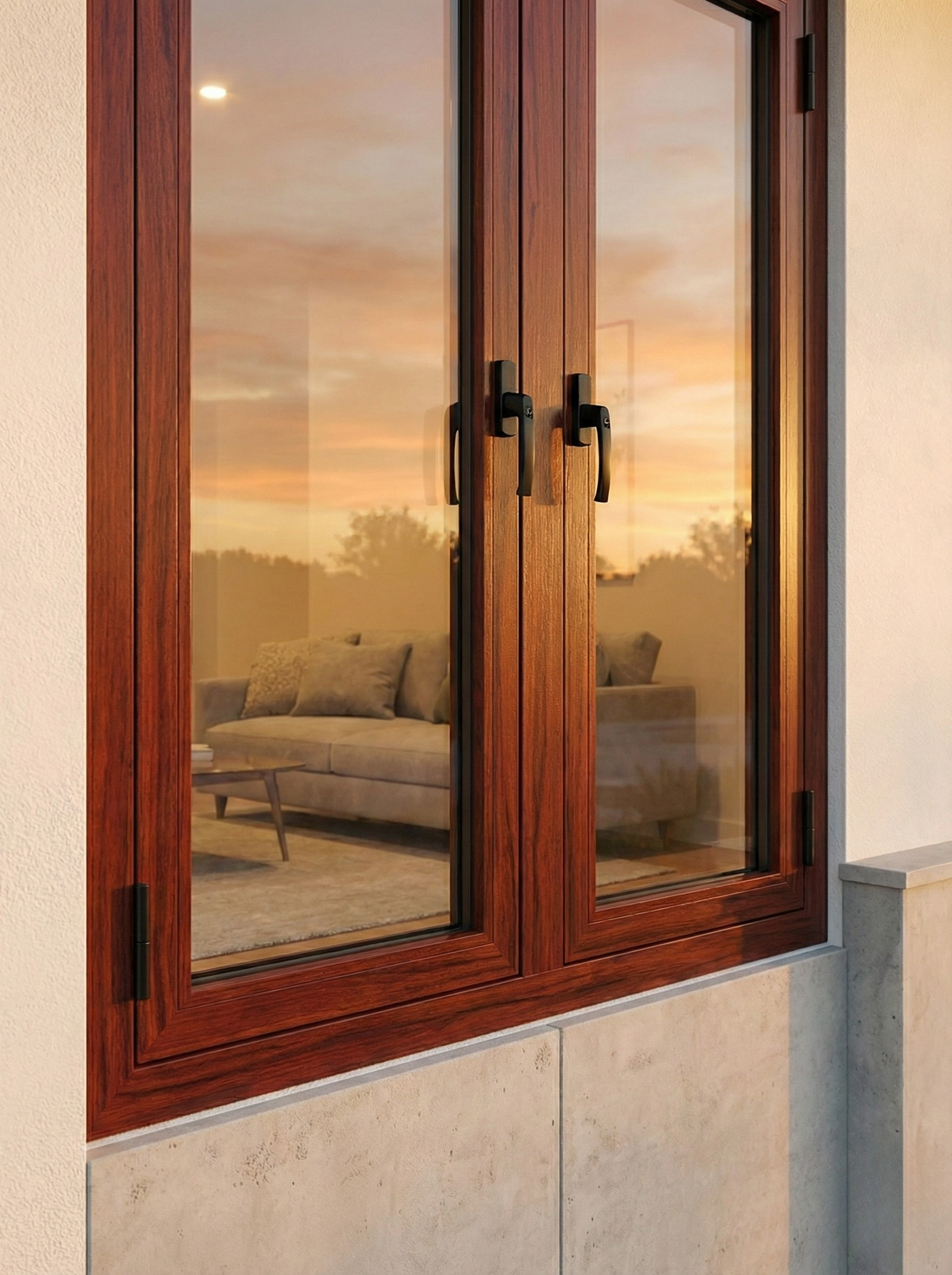
Key Factors to Consider When Selecting Windows
Windows play a major role in your home’s appearance, comfort, and performance, so choosing the right ones requires careful thought. Since windows are a long-term investment, they should balance aesthetics with functionality and suit the local climate.
When selecting windows, focus on the most practical and impactful factors below:
-
Climate suitability
Choose windows based on local weather conditions. Properly selected windows can reduce heating costs in cold climates and improve airflow and ventilation in warm or hot regions. -
Energy efficiency
Look for windows that minimize heat loss in winter and reduce heat gain in summer to help lower energy bills. -
Thermal and solar performance
Consider glazing properties such as solar heat gain control to manage indoor temperature and comfort. -
Resistance to weather conditions
Windows should withstand wind pressure, rain, and air leakage, especially in areas with extreme or changing weather. -
Security and safety
Strong frames, quality locks, and impact resistance help protect against unauthorized entry. -
Ventilation and natural light
The right window design should allow adequate daylight and fresh air without overheating the space. -
Material durability
In coastal or high-humidity areas, choose materials that resist corrosion and long-term wear. -
Glazing size based on climate
Smaller glazed areas are better for hot climates, while larger glazed windows can help capture solar warmth in colder regions.
Focusing on these essential factors ensures your windows perform well, enhance comfort, and remain suitable for your environment over the long term.
Why Oridow Is the Right Supplier for Aluminum Windows
Choosing the right supplier matters just as much as choosing the right material. Oridow focuses on engineered aluminum window systems designed for long-term performance and architectural flexibility.
Their solutions emphasize:
-
Precision manufacturing and strict quality control
-
Advanced thermal break systems for energy efficiency
-
Custom configurations for residential and commercial projects
From standard window systems to complex folding and sliding solutions, Oridow supports designers and homeowners across global markets. You can explore their full range of products and learn how their solutions integrate into modern construction. Oridow also provides technical guidance and project support, including installation planning and system selection through their support team.
Frequently Asked Questions About Aluminum Windows
Are aluminum windows energy efficient?
Yes, modern aluminum windows with thermal breaks and high-performance glazing can be very energy efficient and meet strict building standards in many regions.
How long do aluminum windows last?
Well-manufactured aluminum windows typically last 30 to 40 years or more, depending on exposure and maintenance.
Do aluminum windows rust?
No. Aluminum does not rust, making it ideal for coastal and humid environments.
Are aluminum windows suitable for residential homes?
Absolutely. Aluminum windows are widely used in residential properties, especially modern homes that require large glass panels and slim frames.


