

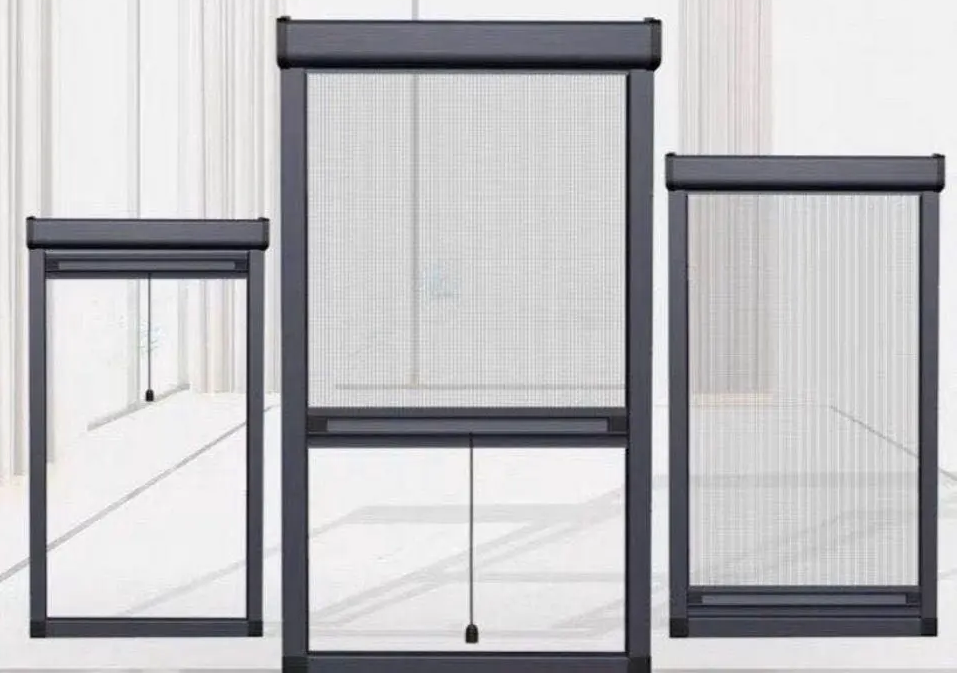
As a wholesaler of windows and doors, you understand that it is important to offer comprehensive security solutions for your clients. Our Security Window Screens are the ideal addition to your portfolio. The screens have been designed to increase security and address the challenges of casement windows.
The Casement Window Challenge
Installing security screens on casement windows can be a challenge. Due to their outward opening design, it is not practical to install traditional exterior screens. These windows are also required to adhere to ADA requirements, which require egress latch heights of between 34-48 inches, and a force maximum of five pounds.
Fast and Effective Solutions
Our temporary retractable screens are a great option for your clients who require a cost-effective and quick solution. The screens are easily installed by the homeowner, and can also be removed. This allows them to have unobstructed window access. These screens are energy efficient, which makes them perfect for summer months when air conditioning is used.
It’s important to remember that retractable screens, which are temporary, were designed primarily to control insects and do not provide any substantial protection.
Security and convenience
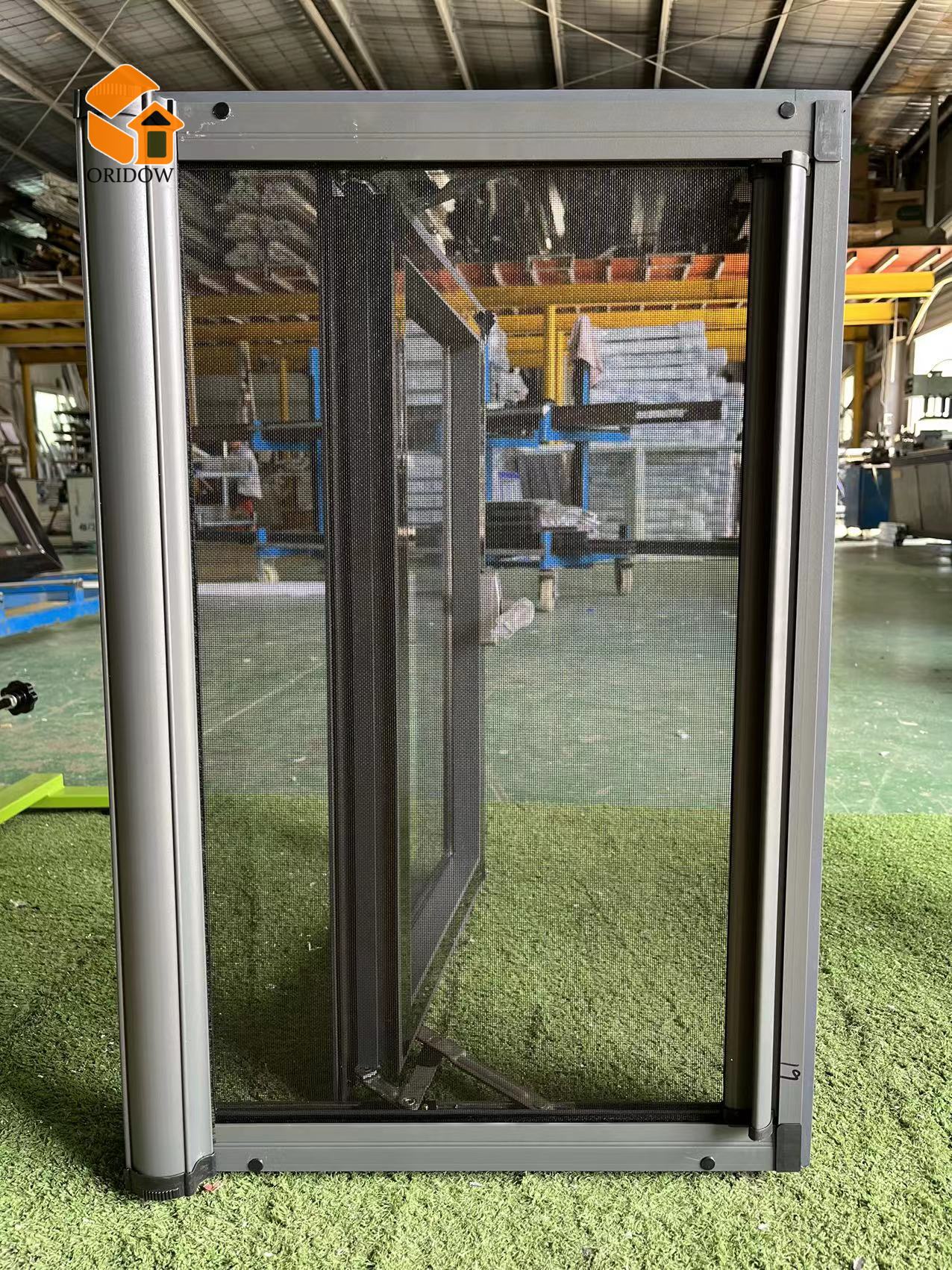
Our Security Window Screens offer the best solution for customers who are looking for a long-term and reliable security screen. The screens are easily secured and lowered at the upper part of the window frame. These screens are more durable than temporary fly screens, and they seamlessly integrate into the frame of your window. The unobtrusive style enhances curb appeal while maintaining security.

Benefits of Security Window Screens
Wholesalers can gain several benefits by adding security screens to their product line. They provide privacy, as they prevent outsiders from looking in on homes and businesses. This ensures safety and peace of mind. These screens are made of stainless steel mesh and offer high resistance against intrusion. They make an excellent barrier to break-ins.
Enhanced Security & Safety
-
Acts as a strong barrier against intruders.
-
Protects children and pets with secure latches and locks.
-
Some designs allow quick emergency exits.
Comfort & Efficiency
-
Keeps out pests and insects while allowing airflow.
-
Improves energy efficiency by reducing heat, UV rays, and glare.
-
Promotes better ventilation and indoor comfort.
Style & Value
-
Available in various colors and styles to match any home design.
-
Increases property value through safety, efficiency, and aesthetics.
-
Offers daytime privacy without blocking outdoor views.
Compatible with casement windows
Our security window screens work with all casement windows. Our unique installation technique allows customers to fully open casement windows while maintaining security. The compatibility allows us to provide a security solution that is suitable for all window types.

Why security screen doors are essential
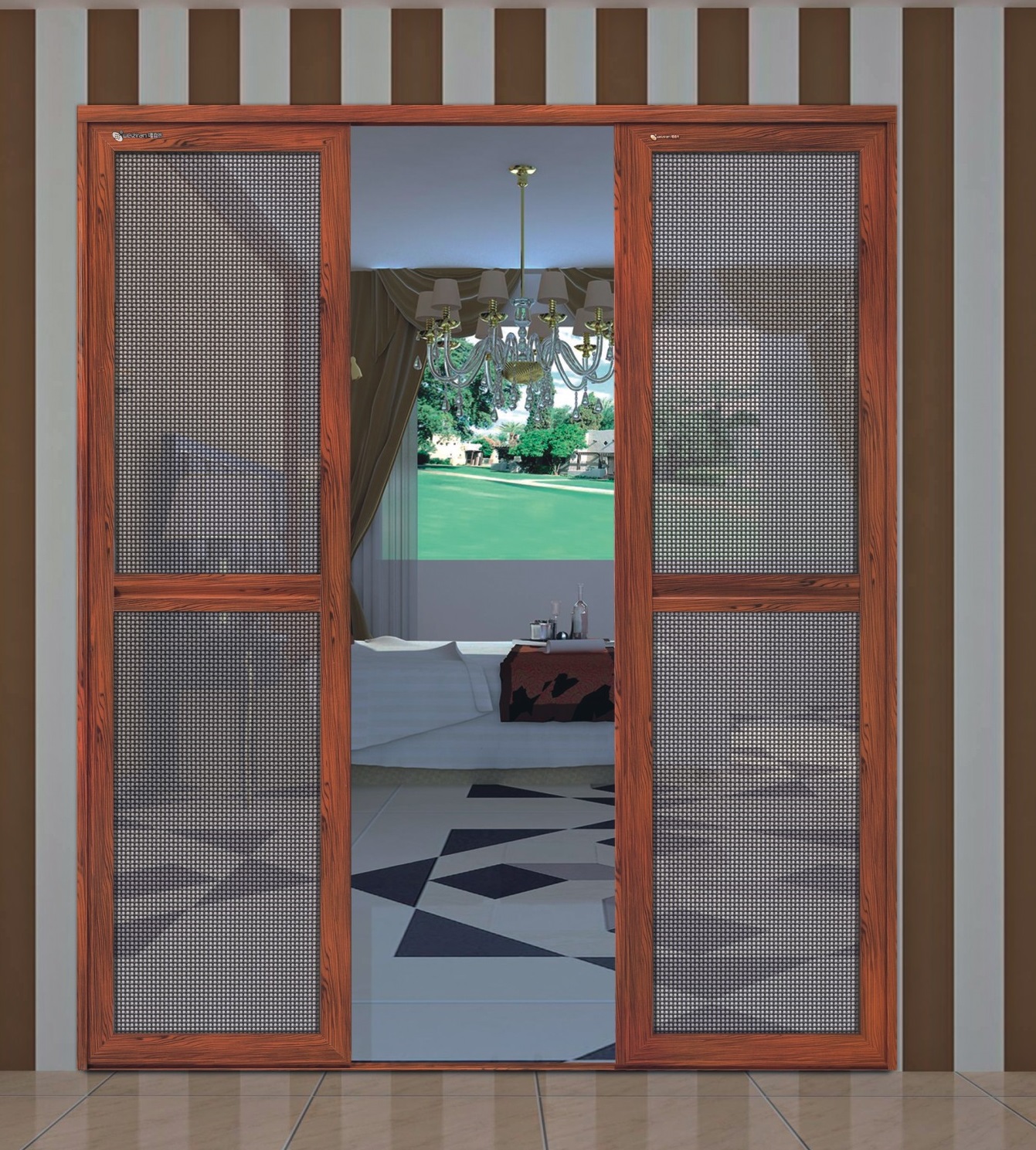
Consider offering your clients our Screen Security Doors. They preserve structural integrity and allow doors to be left open with no security concerns. These doors not only prevent break-ins but also keep insects and pests out of homes.
Our steel mesh security screen is the ideal complement to casement windows. It can be tailored according to customer needs and budget.
Casement Windows in Wholesale
They are a great choice for coastal regions, due to their strength and resistance to extreme weather. The windows are versatile and offer a high level of solar gain. They can be installed in different positions around the home and are controlled by a simple hand-crank.
They are available in a variety of colors, styles, and materials to suit your customer’s aesthetic tastes. They are also fully compatible with security window screens to ensure safety and functionality without compromise.
Security Window Screens vs. Standard Screens: Key Differences
Understanding how security-grade screens differ from standard window screens helps you choose the right level of protection for your property or your wholesale clients.
1. Strength & Durability
Security screens use stainless steel mesh in reinforced frames, built to withstand force, cutting attempts, pet scratches, and direct impact. Standard fiberglass or aluminium screens tear easily and typically need replacing every 1–3 years.
2. Home Security
Security screens resist forced entry—the high-tensile stainless steel mesh cannot be cut with ordinary tools, and reinforced locking systems prevent prying. Standard screens offer zero security protection and can be removed or breached within seconds.
3. Weather Resistance
Security screens handle high winds, flying debris, and salt-air corrosion—ideal for coastal and storm-prone regions. Standard screens stretch, sag, and corrode under the same conditions.
4. Airflow & Visibility
Both screen types allow natural airflow and daylight. Security screens maintain this through a tightly woven, high-tensile mesh that offers strength without blocking ventilation or obstructing outdoor views.
5. Lifespan & Cost
Standard screens cost less upfront but require replacement every 1–3 years. Quality security screens last 10–20+ years, making them more cost-effective long-term while also adding measurable property value.
Custom Sizing for Any Window Type
Security window screens can be manufactured in custom dimensions for any window type—sliding, casement, fixed, tilt-and-turn, or commercial storefront. Oridow specialises in both standard and custom security screen systems, ensuring a perfect, gap-free fit for any project size or window configuration.
How to Install Security Window Screens: Step-by-Step
Security screen installation is a straightforward process with the right preparation. Here is a step-by-step overview:
Tools & Materials Required
- Drill and drill bits
- Rust-resistant screws
- Measuring tape and pencil
- Security screen panels (standard or custom-sized)
- Protective gloves and goggles
Step 1: Measure Your Windows
Measure width and height at three points each (top, middle, and bottom). Record to the nearest millimetre and always measure twice to avoid ordering errors.
Step 2: Prepare the Window Frame
Clean the frame, check for cracks or structural weakness, and repair any issues before installation. Mark drill points with even spacing to ensure a sturdy, lasting result.
Step 3: Position and Secure the Screen
Place the screen against the frame with no gaps at any edge. Drill pilot holes at the marked points and insert screws firmly. Tight, evenly spaced fasteners are critical—loose fittings create pry points for intruders.
Step 4: Inspect and Test
Push and pull the installed screen to confirm it is solid and gap-free. Repeat for each window. For bulk commercial installations, Oridow provides full technical support and project guidance.
Installation Cost Reference
Security window screen installation typically costs US $200–$700 per screen depending on size, material, and location. A 10-year total cost of ownership—including basic annual maintenance (~US $20/year) and one minor repair—averages approximately US $1,200 per screen, significantly less than the cumulative replacement cost of standard screens over the same period.


