
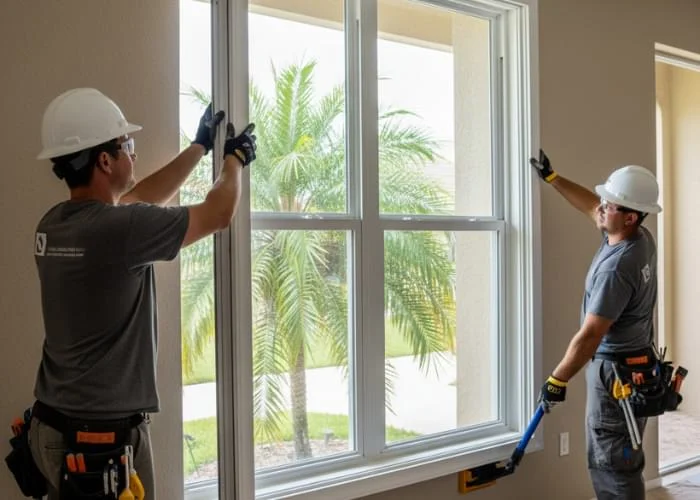
Hurricane season is officially upon us, and even if we haven’t seen a powerful storm yet, anyone living in hurricane-prone regions knows one truth: hurricanes are unpredictable. One moment the skies are calm, and the next moment a Category 3 or 4 storm is barreling toward the coastline.
Preparation is not optional—it is essential.
From stocking up on food and water to securing outdoor furniture, every step matters. But one of the most important things you can do to protect your home is install hurricane impact windows. These specially designed windows help prevent:
-
Devastating wind damage
-
Flying debris damage
-
Pressure changes that can lift roofs
-
Water intrusion
-
Window blowouts
In this comprehensive guide, you’ll learn everything you need to know about installing hurricane impact windows, whether you’re a DIY enthusiast or a homeowner researching the installation process before hiring a professional.
This manual-style article is written in a clear, practical tone, enriched with valuable insights, technical considerations, and step-by-step installation instructions. Let’s get started.
Why Hurricane Impact Windows Matter?
Standard windows are simply not designed to withstand hurricane-force winds. Once a window breaks during a storm, wind enters the home and creates internal pressure that can blow out other windows, collapse walls, or even lift the roof.
Hurricane impact windows prevent this by combining:
-
Durable, laminated, impact-resistant glass
-
Reinforced frames
-
Pressure-tested construction
They must pass strict standards such as:
-
Miami-Dade County impact certification
-
ASTM E1996 / E1886 impact tests
-
High-velocity hurricane zone (HVHZ) requirements
A correctly installed hurricane impact window provides:
✔ structural protection
✔ burglary resistance
✔ energy efficiency
✔ noise reduction
✔ increased property value
This is why they are considered one of the best long-term investments for hurricane-prone homes.
DIY or Professional Installation? Which Should You Choose?
Many homeowners wonder whether installing hurricane windows themselves is possible. The short answer:
Yes, it is possible—but only if conditions are right.
If you have experience with basic DIY installations and are comfortable using tools such as levels, sealants, and power drills, you can install your own hurricane impact windows.
However, you should call a professional installer if:
-
Your house is older
-
Windows are located on upper floors
-
Openings are irregular in shape
-
Local building codes require certified installation
-
Windows are unusually large or heavy
Even though hurricane windows don’t require special tools, they must be anchored and sealed properly to perform under extreme wind pressure.
A poorly installed impact window is no safer than a standard window.
Before You Install: What to Check First
To ensure a smooth and safe installation process, here are the essential checks to perform before fitting the windows.
1. Inspect the Window Frame Material
Hurricane impact windows only perform as well as the frames that hold them. Make sure your frames are constructed from:
-
Reinforced vinyl
-
Aluminum
-
Steel
-
Wood-metal composites
Flimsy frames can fail even if the glass is impact-rated.
2. Ensure Stiffeners Are Installed
Impact window frames often require internal metal stiffeners to:
-
Resist wind pressure
-
Support laminated glass weights
-
Maintain structural integrity
If your frames don’t include stiffeners, the window will not perform as intended.
3. Replacing Old Frames? Do It Properly.
If you’re planning to install new impact-resistant windows into an old frame, reconsider.
The safest choice is to replace the entire window system, including:
-
The frame
-
Sill
-
Jamb
-
Anchors
-
Sealants
This ensures your installation meets:
-
Manufacturer specifications
-
Hurricane safety standards
-
Local code requirements
Installing new glass in an old, weak frame compromises safety.
Tools and Materials Needed for Installation
You won’t need uncommon tools, but you should have high-quality materials:
Tools
-
Power drill
-
Screwdriver
-
Level
-
Caulking gun
-
Tape measure
-
Hammer or nail gun
-
Utility knife
Materials
-
Manufacturer-approved fasteners
-
Hurricane-rated sealant
-
Silicone caulk
-
Shims
-
Backer rod
-
Weatherproofing tape
Having the right materials ensures a reliable installation that passes both inspections and storm tests.
Step-by-Step Installation Guide for Hurricane Impact Windows
Below is the detailed, manual-style installation process.
Step 1: Remove the Existing Window
Start by carefully removing the old window system:
-
Take off the interior trim.
-
Unscrew fasteners holding the window in place.
-
Remove the sash, glass, and frame components.
-
Cut away old caulking or foam insulation.
-
Clean the opening thoroughly.
Your goal is to expose the rough opening so the new window fits cleanly.
Step 2: Dry-Fit the New Hurricane Window
Before any sealants or fasteners are applied:
-
Lift the assembled hurricane window into the opening.
-
Check if it sits level and square.
-
Ensure the frame aligns with the wall opening.
-
Confirm correct sizing (no bowing or gaps).
Dry-fitting helps you detect issues early so you avoid sealing mistakes later.
Step 3: Prepare the Opening with Sealant
Remove the window from the opening.
Now apply a continuous, even bead of hurricane-approved structural sealant around the entire perimeter of the window opening.
This sealant:
-
Stops water intrusion
-
Prevents air leakage
-
Stabilizes internal pressure during storms
Do not use off-brand or cheap caulking—impact windows require advanced sealants to pass safety tests.
Step 4: Install and Secure the Window
Now comes the most important step:
-
Carefully slide the hurricane impact window into position.
-
Make sure it sits evenly against the sealant.
-
Use shims to level and center the frame.
-
Fasten the window using manufacturer-approved anchors.
-
Follow the fastening pattern exactly (corners, sides, midpoints).
Over-tightening can warp the frame. Under-tightening creates gaps. Follow the installation instructions precisely.
Step 5: Apply Silicone Caulking for Reinforcement
After the window is securely anchored:
-
Apply high-quality silicone caulking around the edges of the frame.
-
Smooth the caulk line to ensure a tight weatherproof seal.
-
Seal both interior and exterior edges.
This extra layer of sealing:
-
stops moisture infiltration
-
increases wind resistance
-
improves energy efficiency
A properly sealed impact window performs better and lasts longer.
Step 6: Final Checks and Adjustments
Before considering the installation complete, perform these final checks:
-
Operate the window to ensure smooth movement
-
Re-check for levelness
-
Confirm that locks engage smoothly
-
Inspect for gaps
-
Verify sealant coverage
A final inspection ensures no mistakes go unnoticed before the next storm hits.
Benefits of Installing Hurricane Impact Windows
Installing hurricane impact windows is one of the smartest investments any homeowner in a storm-prone area can make. These windows are engineered to protect your property during hurricanes, tropical storms, and extreme weather conditions—while also improving the overall comfort and security of your home. When you choose Oridow Hurricane Impact Windows, you’re not only choosing durability but a premium product designed for long-term value.
Below are the major benefits you get when installing Oridow Hurricane Impact Windows:
1. Superior Storm Protection
Oridow impact windows are built with laminated, multi-layered impact-resistant glass and reinforced frames that can withstand flying debris, violent winds, and sudden pressure changes during hurricanes. They’re rigorously tested to meet strict coastal building standards, ensuring your home stays protected when the weather turns severe.
2. Increased Home Security
Because Oridow windows are designed to resist shattering, they double as powerful security features. The strong laminated glass makes it extremely difficult for intruders to break in, offering continuous protection—hurricane or not.
3. Energy Efficiency and Lower Utility Bills
Oridow impact windows are produced with high-performance Low-E coatings, insulated frames, and airtight seals. This reduces heat transfer, keeps your home cooler in the summer, warmer in the winter, and cuts down on your air-conditioning costs.
4. Noise Reduction for a Quieter Home
The laminated glass in Oridow hurricane windows naturally blocks out exterior noise like traffic, barking dogs, and neighborhood activity. This gives you a calmer, quieter indoor environment, especially in busy or coastal areas.
5. UV Protection for Interior Furnishings
Harmful UV rays can fade your carpets, curtains, wood floors, furniture, and artwork. Oridow’s impact-resistant glass filters out a significant percentage of UV radiation, keeping your interior protected and looking new for longer.
6. Enhanced Property Value
Homes equipped with Oridow hurricane impact windows typically sell for more. Buyers recognize the long-term benefits—security, energy savings, and storm protection—and view impact windows as a premium upgrade.
7. Reduced Insurance Costs
Many insurers offer lower premiums for homes fitted with certified impact-resistant windows. With Oridow’s internationally recognized quality and performance standards, homeowners often qualify for additional insurance discounts.
8. Better Air and Water Resistance
Oridow hurricane windows include high-quality seals and reinforced frames designed to prevent air leakage and water intrusion. This helps maintain indoor comfort, reduce humidity, and guard your home against mold and moisture damage.
9. Long-Lasting Durability
Thanks to superior materials like reinforced frames and multi-layer laminated glass, Oridow impact windows are built to last for decades. They resist corrosion, dents, rust, fading, and weather wear—ideal for humid coastal climates.
10. Stylish Designs That Don’t Compromise Strength
Oridow offers a wide range of modern, elegant hurricane window styles—casement, sliding, fixed, awning, and more. You get the perfect balance of architectural beauty and high-performance storm protection.
Buying Hurricane Impact Windows: What to Look For
When choosing hurricane impact windows, check for:
-
Impact certification labels
-
Design pressure (DP) rating
-
Glass thickness and lamination type
-
Frame reinforcement
-
Warranty coverage
-
Energy efficiency ratings
The best hurricane windows offer both strength and energy savings.
Why Choose Oridow for Hurricane Impact Windows?
Oridow is recognized internationally as one of the most trusted manufacturers of hurricane-resistant windows and doors, serving clients from the United States to the Caribbean, including:
-
Trinidad & Tobago
-
Virgin Islands
-
Bahamas
-
Barbados
-
Turks & Caicos
Oridow offers:
✔ certified hurricane impact windows
✔ custom designs
✔ premium-quality materials
✔ excellent energy performance
✔ worldwide exports
✔ professional guidance
Conclusion
Protecting your home during hurricane season begins long before the winds start blowing. Installing hurricane impact windows is one of the smartest ways to safeguard your property, increase energy efficiency, and add long-lasting value.
Whether you’re a DIY homeowner or planning to hire a professional installer, understanding the installation process ensures your windows perform the way they’re meant to when severe weather arrives.
Stay prepared, stay safe, and make sure your home is fortified against whatever Mother Nature sends your way.
1. Are hurricane impact windows really worth the money if I already have shutters?
Yes, they’re worth it. Shutters protect the glass, but impact windows protect the entire opening and keep pressure changes from damaging your home. They also add security, reduce noise, increase energy efficiency, and eliminate last-minute storm prep.
2. What’s the average cost to install hurricane impact windows?
Costs vary by size, brand, and location, but most homeowners pay $1,500–$2,500 per window installed. Larger openings or custom shapes cost more. Getting quotes from multiple installers is the best way to compare accurate pricing.
3. Do impact windows need maintenance after installation?
Minimal maintenance is required. Clean the tracks, wipe the glass with mild soap, check caulking once a year, and lubricate hinges/locks with silicone spray. Proper maintenance ensures the pressure ratings stay reliable for decades.
4. How long do hurricane impact windows last before needing replacement?
High-quality impact windows typically last 20–30 years. Laminated glass doesn’t weaken quickly, and modern frames resist corrosion. Lifespan depends on climate, salt exposure, maintenance, and the manufacturer’s build quality.
5. Can I install impact windows myself, or do I need a certified installer?
DIY installation is possible but only recommended for people with experience. Incorrect fastening or sealing can void the warranty and fail inspection. Most professionals suggest certified installation because it ensures compliance with local hurricane codes.
6. How can I tell if a window is truly hurricane impact-rated?
Look for permanent etched markings or stickers showing Miami-Dade, ASTM, or HVHZ certification. The glass should have a laminated interlayer and a design pressure (DP) rating. If labels are missing, ask the manufacturer.
7. Do hurricane windows reduce outside noise?
Yes. The laminated glass significantly reduces noise from traffic, neighbors, and wind. Many people report a 30–40% noise reduction after installation, depending on window thickness and the surrounding structure.
8. Do impact windows help lower insurance costs?
Most insurance companies offer discounts for certified impact windows because they reduce the risk of hurricane damage. The discount varies, but it can be 5–20% depending on your location and insurer.
9. Can impact windows break during a strong hurricane?
They can crack, but they don’t shatter or create dangerous shards. The laminated interlayer keeps the glass intact, preventing wind entry and maintaining the structural envelope of your home—even in Category 5 conditions.
10. What’s the difference between impact windows and regular double-pane windows?
Regular double-pane windows only provide insulation. Impact windows use laminated glass that’s pressure-tested to stop debris penetration. The frames are reinforced, and the glass is designed to stay intact even when cracked.


