

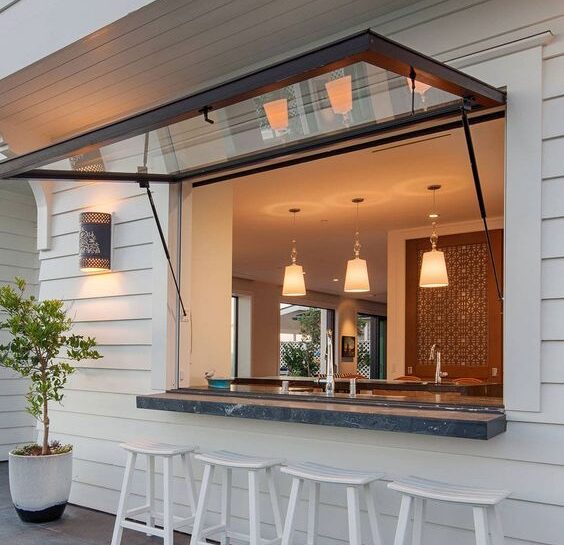
In the evolving landscape of construction and design, the value of innovative and functional elements cannot be overstated. Flip out windows have emerged as a beacon of modern architecture, providing a unique combination of style and utility.
This article is specially curated for builders, wholesalers, and contractors, offering insights into the world of flip out windows and how they can revolutionize spaces.
What are Flip Out Windows?
Flip out windows are a type of window design where the window pane can be opened outward or flipped out from its frame. This design is known for its space-saving functionality, making it an ideal choice for areas where traditional windows might not be practical.
The unique opening mechanism of flip-out windows allows maximum ventilation and light without compromising on space or design aesthetics.

Different Types of Flip Out Windows
- Standard Flip Out Windows: These basic models are perfect for residential and commercial buildings where space and ventilation are key concerns.
- Tilt-and-Turn Flip Out Windows: These windows offer dual functionality – they can tilt open at an angle for ventilation or turn like a regular casement window.
- Top-Hung Flip Out Windows: These are hinged at the top and open outward, ideal for weather protection and allowing light and air to enter from the top.
- Custom-Designed Flip Out Windows: Tailored to meet specific architectural requirements, these windows can vary in size, shape, and opening mechanisms.
| Type of Flip-Out Window | Hinge/Opening Mechanism | Key Features & Use-Case | Advantages | Considerations / Drawbacks | |
|---|---|---|---|---|---|
| 1. Top-Hung / Flip-Up Window | Hinged at the top edge, sash flips outward and upward (toward exterior). | Often gas-strut-assisted for large openings (e.g., kitchen bars). | Ideal for kitchens/bars where you want a wide open pass-through to an outdoor terrace, or for ventilation while shielding from rain. |
• Big opening without side clearance. • Can serve as a service window (indoor-outdoor). • Rain protection because the top hinge forms a canopy. |
• Requires a strong frame and hardware for a large glass panel. • When open, the sash extends outward—may be a hazard if the walkway passes by. • May need gas strut maintenance. |
| 2. Side-Hinged Flip-Out Window | Hinge at one side (left or right) like a door; sash swings outward (or inward, depending design). | Standard side-hung “casement” style but used as a full-size flip-out window for service/pass-through. | Good where you want a wide opening, full access, minimal sill, perhaps linking indoor and outdoor spaces. |
• Allows full access. • Simple mechanism (hinges + handle) compared to strut systems. |
• Requires side clearance for swing. • When open, the sash may protrude into walkways/outdoor space. • Weather & seal management is crucial (when closed). |
| 3. Pass-Through / Bar-Style Gas-Strut Flip-Out Window | Custom window typically at counter height; often aluminium with gas struts, flips out/up or sideways to serve as a bar or service hatch. | Designed for entertaining zones, commercial or high-end residential linking the indoor kitchen to the patio/bar. | Excellent for social areas where you want to blur indoor & outdoor spaces and provide easy service access. |
• Dramatic aesthetic & user-experience. • Wide open panorama. • Can be custom built for large spans. |
• More expensive hardware and installation. • Structural support + weatherproofing critical. • Maintenance of specialized hardware (gas struts, weather seals) is needed. |
| 4. Awning / Flip-Up Mini Window | Essentially a small version of a flip-out: hinge at top, sash opens outward from bottom (flips up). Often called “awning” style. | Frequently used above kitchen sinks, in bathrooms, in compact spaces where ventilation is key but full swing window isn’t practical. | Good for continuous ventilation, weather protection, and small footprint openings. |
• Can remain open even in the rain. • Doesn’t require much outward clearance. • Good for high/low positions. |
• The opening area is usually smaller than the full flip-out. • Access when open may be limited. • Hinges and hardware still need weather-proofing. |
Options
Oridow.com recognizes its clientele’s diverse needs, including builders, wholesalers, and contractors. To cater to these varied requirements, we offer a range of customization options for flip out windows:
- Material Choices: Choose from various materials, including uPVC and aluminum, each offering different aesthetic and functional benefits.
- Color and Finish: Match or contrast your flip out windows with the building’s design scheme with a wide range of colors and finishes.
- Glass Options: From single, double, or triple-glazed glass, select the option that best fits your insulation and soundproofing needs.
- Size and Shape Customization: Tailor the dimensions and shapes to fit specific architectural requirements, ensuring a perfect fit for any project.
Why Choose Flip Out Windows?
Space Efficiency and Versatility
One of the most significant advantages of flip out windows is their ability to save space while offering versatility in design. Especially in urban settings with premium space, these windows can transform a compact area into an open, airy space. For builders and contractors, this means the ability to offer more in less space, a key selling point in today’s real estate market.
Enhanced Aesthetics
Flip-out windows are not just functional but also aesthetically pleasing. They provide a modern, sleek look to any building, enhancing the overall architectural design. This feature is particularly appealing to wholesalers keen to offer products that align with current design trends.
Ease of Use and Maintenance
The convenience of flip-out windows lies in their ease of use and maintenance. They are designed to be user-friendly, requiring minimal effort to operate. This aspect is especially important for contractors and builders who prioritize ease of maintenance in their projects.
Energy Efficiency
In today’s environmentally conscious world, energy efficiency is a top consideration in construction. uPVC Flip-out windows offer excellent insulation, helping to reduce heating and cooling costs. This efficiency is beneficial not only for the environment but also for the end-user, who saves on energy bills.
Incorporating Flip-Out Windows in Various Settings
Flip out windows can be incorporated into various settings, from residential to commercial buildings. Their versatility makes them suitable for different architectural styles, whether a modern office building or a traditional home. For contractors and builders, this means a broader scope of application and more opportunities to utilize these windows in various projects.
Conclusion
Flip-out windows represent a fusion of innovation, style, and practicality, making them a prime choice for contemporary building projects. Their versatility and customization options suit various architectural styles and requirements.
Elevate your building projects with the efficiency and elegance of flip-out windows. Visit Oridow to explore our extensive range of flip out windows tailored to meet your professional needs. Let us help you redefine spaces with innovation and style.


