

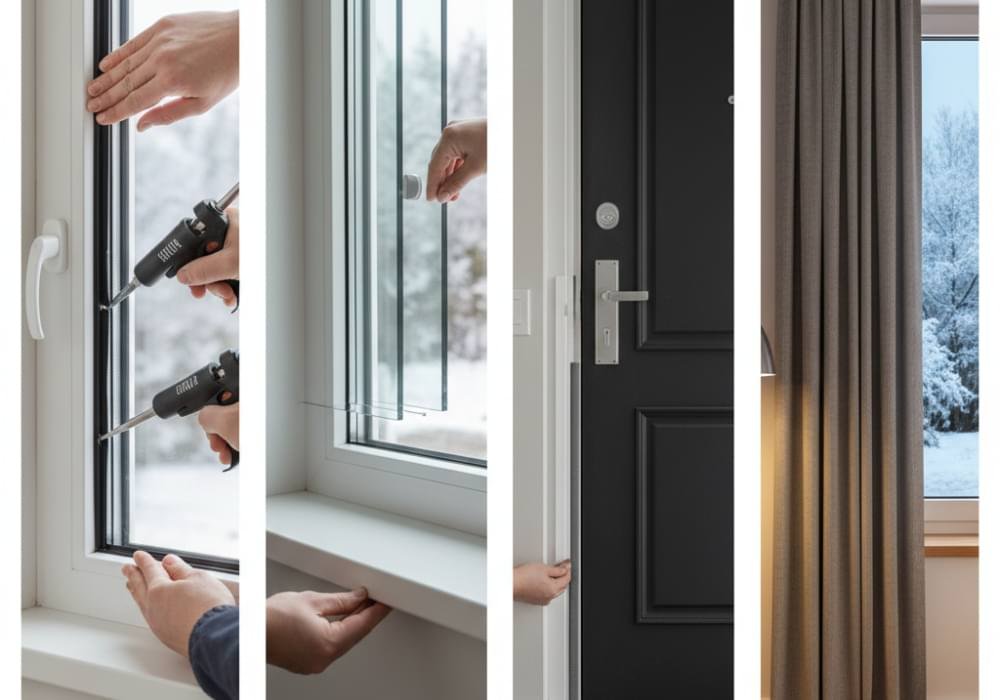
When winter arrives, your home should feel warm, comfortable, and protected not drafty and expensive to heat. Yet many homeowners don’t realize that up to half of winter heat loss escapes through poorly sealed doors and windows. Cold air sneaks in, warm air leaks out, and energy bills rise before you even notice the problem. Winter-proofing your home with the right doors and windows is one of the smartest steps you can take to lock in warmth, reduce heating costs, and enjoy a cozy indoor environment throughout the cold season.
Why Doors and Windows Matter in Winter
Doors and windows are the primary boundary between your home’s warm interior and the harsh winter weather outside. When these elements are poorly sealed, outdated, or inefficient, they allow cold air to enter and warm air to escape, making your home uncomfortable and costly to heat. Below are the key reasons why doors and windows play such a critical role during winter.
1. They Are the Biggest Source of Heat Loss
During winter, a significant percentage of indoor heat escapes through doors and windows. Even small gaps around frames or outdated single-glazed glass can lead to constant heat leakage. This forces heating systems to work harder, increasing energy consumption and reducing comfort.
Benefits of addressing heat loss:
-
Keeps warm air inside the home
-
Reduces strain on heating systems
-
Improves overall energy efficiency
-
Maintains consistent indoor temperatures
-
Prevents cold drafts near openings
-
Enhances living comfort in all rooms
2. They Control Cold Air Drafts
Cold drafts are one of the most common winter comfort issues, often caused by worn seals, misaligned doors, or poorly installed windows. These drafts can make rooms feel colder even when the heater is on, leading to uneven temperatures across the home.
Benefits of draft-proof doors and windows:
-
Eliminates uncomfortable cold air leaks
-
Improves room-to-room temperature balance
-
Enhances comfort near doors and windows
-
Reduces overuse of heaters
-
Creates a more stable indoor climate
-
Improves sleep and daily living comfort
3. They Reduce Winter Energy Bills
Heating costs rise sharply in winter, especially in homes with inefficient doors and windows. When heat escapes, homeowners compensate by increasing thermostat settings, leading to higher utility bills. Energy-efficient doors and windows help retain heat naturally.
Benefits for energy savings:
-
Lower monthly heating bills
-
Reduced energy waste
-
More efficient use of heating systems
-
Long-term cost savings
-
Better control over household energy use
-
Increased return on home upgrades
4. They Prevent Condensation and Moisture Issues
Poorly insulated windows and doors often cause condensation during winter when warm indoor air meets cold surfaces. Over time, this moisture can lead to mold growth, damp walls, and damage to frames and interiors.
Benefits of proper insulation:
-
Reduces condensation on glass and frames
-
Protects window and door materials
-
Prevents mold and mildew growth
-
Maintains healthier indoor air quality
-
Preserves interior finishes and walls
-
Extends lifespan of doors and windows
5. They Improve Indoor Comfort and Livability
Winter comfort is not just about warmth it’s about how evenly and comfortably heat is distributed throughout your home. High-quality doors and windows help maintain a pleasant indoor environment without cold spots or sudden temperature drops.
Comfort-related benefits:
-
Warmer living spaces overall
-
No cold zones near openings
-
Better airflow control
-
Enhanced comfort for children and elderly
-
More usable space during winter
-
Quiet and peaceful indoor atmosphere
6. They Protect Against Harsh Winter Weather
Winter brings more than cold temperatures it also includes wind, rain, frost, and sometimes snow. Doors and windows with proper sealing and sturdy construction protect your home from weather-related damage and air infiltration.
Weather-protection benefits:
-
Blocks cold winds effectively
-
Prevents water seepage and leaks
-
Maintains airtight home envelope
-
Increases structural protection
-
Improves durability during extreme weather
-
Adds resilience to seasonal changes
7. They Support Long-Term Home Efficiency & Value
Upgrading or winter-proofing doors and windows is a long-term investment. Homes with energy-efficient openings are more sustainable, cost-effective to maintain, and attractive to buyers especially in colder climates.
Long-term benefits:
-
Improves overall home efficiency
-
Enhances property value
-
Supports sustainable living
-
Reduces future maintenance costs
-
Meets modern building standards
-
Adds year-round comfort, not just winter
How to Winter-Proof Your Windows
Windows are one of the largest sources of heat loss in winter. Even small gaps, weak glass, or aging frames can allow cold air to enter and warm air to escape, making your home uncomfortable and expensive to heat. Winter-proofing your windows helps lock in warmth, reduce energy bills, and prevent condensation and drafts during colder months.
Whether you’re preparing for a harsh winter or simply improving energy efficiency, the following steps will help you protect your windows effectively.
1. Inspect Windows for Drafts and Gaps
Start by checking for air leaks around window frames. On cold days, drafts are often noticeable near sills and edges.
What to look for:
-
Cold air movement near frames
-
Visible gaps or cracks
-
Loose or damaged seals
-
Difficulty closing windows fully
Catching these issues early prevents bigger heat-loss problems later.
2. Seal Gaps with Weatherstripping and Caulking
Weatherstripping and caulking are among the most cost-effective winter-proofing solutions. They block cold air from entering while sealing warm air inside.
Best sealing practices:
-
Apply weatherstrips to movable window parts
-
Use caulk around fixed frame gaps
-
Focus on corners and joints
-
Replace old or brittle seals
Proper sealing can immediately improve indoor comfort.
3. Upgrade to Double or Triple Glazing (Long-Term Solution)
If your home still has single-glazed windows, upgrading provides significant insulation improvement. Double or triple glazing traps air or gas between glass layers, reducing heat transfer.
Benefits include:
-
Better thermal insulation
-
Less condensation buildup
-
Improved sound insulation
-
Lower heating costs
This is one of the most effective long-term winter-proofing investments.
4. Use Thermal Curtains or Insulated Blinds
Window coverings play a major role in winter insulation, especially at night when temperatures drop.
How they help:
-
Reduce heat escape after sunset
-
Block cold air near glass surfaces
-
Improve room temperature stability
-
Add an extra comfort layer
Closing curtains early in the evening can noticeably retain warmth.
5. Install Window Insulation Film
For temporary or rental solutions, window insulation film provides an easy winter barrier.
Why insulation film works:
-
Creates an air pocket between film and glass
-
Reduces drafts quickly
-
Low-cost and easy to apply
-
Removable after winter
It’s especially useful for older windows.
6. Repair or Replace Damaged Glass and Frames
Cracked panes, rotting frames, or loose joints reduce insulation efficiency no matter how well you seal them.
Signs repair or replacement is needed:
-
Visible cracks in glass
-
Warped or damaged frames
-
Persistent condensation between panes
-
Windows that don’t close properly
Addressing these issues prevents ongoing heat loss.
7. Consider Energy-Efficient Window Replacements
For maximum winter performance, investing in modern energy-efficient windows such as uPVC or thermally broken aluminum systems offers lasting benefits.
Advantages of modern windows:
-
Superior insulation
-
Airtight sealing
-
Long lifespan
-
Reduced winter energy consumption
This option is ideal for homes in cold or variable climates.
How to Winter-Proof Your Doors?
Doors are one of the most overlooked contributors to winter heat loss. Even a well-insulated home can feel cold if exterior doors allow drafts, moisture, or temperature transfer. Winter-proofing your doors ensures your home stays warm, energy-efficient, and protected throughout the cold season. The following four sections explain the materials, methods, and processes needed to do it properly.
1. Inspect and Seal Gaps Around Door Frames
The first step in winter-proofing any door is identifying where cold air is entering. Even high-quality doors can lose efficiency if gaps form around frames due to settling, age, or wear. Cold air leakage typically occurs at the bottom of the door, along the sides, or at the top header.
Start by inspecting the door on a cold day. Run your hand around the frame or use a candle to detect airflow. Pay special attention to corners where seals often deteriorate first. Once leaks are identified, sealing them properly restores thermal performance almost immediately.
Materials commonly used:
-
Foam or rubber weatherstripping
-
Silicone or acrylic caulking
-
Door sweeps for bottom gaps
-
Backer rods for large cracks
Process overview:
-
Remove old or damaged weather seals
-
Clean the surface to ensure proper adhesion
-
Apply new weatherstrips snugly along the frame
-
Seal stationary gaps with caulk
-
Install or replace a door sweep at the threshold
This process reduces drafts, improves comfort near entryways, and prevents cold air from circulating indoors. Proper sealing is one of the fastest and most cost-effective winter-proofing solutions and often produces immediate results.
2. Upgrade Door Materials for Better Insulation
Not all doors offer the same level of winter protection. Older wooden or hollow-core doors may look solid but often allow heat transfer due to poor internal insulation. Upgrading to an insulated door significantly improves winter performance.
Modern exterior doors are constructed with insulated cores designed to block cold air and minimize heat transfer. These materials form a thermal barrier between indoor and outdoor environments.
Best insulating door materials include:
-
Steel doors with insulated cores – excellent thermal efficiency and durability
-
Fiberglass doors – resistant to cold, moisture, and warping
-
Composite doors – layered insulation with strong thermal performance
-
uPVC doors – multi-chamber frames that trap air
Upgrade process considerations:
-
Choose doors with high insulation ratings
-
Ensure proper frame insulation, not just the panel
-
Confirm airtight installation with professional fitting
-
Match door material to climate conditions
Upgrading may be a higher initial investment, but it delivers long-term energy savings, improved security, and year-round comfort, especially in colder regions.
3. Improve Door Thresholds and Bottom Sealing
The bottom of a door is one of the largest sources of winter drafts, especially in older homes. Even small gaps between the door and threshold allow cold air to enter and warm air to escape, making nearby areas noticeably colder.
Threshold insulation focuses on strengthening the seal at floor level, where temperature differences are most pronounced.
Materials used for threshold insulation:
-
Adjustable aluminum or composite thresholds
-
Insulated door sweeps
-
Draft blockers (temporary solution)
-
Weather-resistant foam strips
Step-by-step process:
-
Check for light or airflow beneath the door
-
Adjust or replace worn thresholds
-
Install an insulated door sweep aligned tightly to the floor
-
Seal gaps between the threshold and the floor
-
Test the closing pressure to ensure tight contact
An effective threshold seal prevents cold air infiltration, reduces moisture entry, and improves overall heating efficiency. This step is especially important for front doors, garage entry doors, and patio doors, which are more exposed to winter conditions.
4. Replace or Reinforce Glass Panels in Doors
Doors with glass inserts such as patio doors, French doors, or entry doors with sidelights, require special attention in winter. Glass transmits cold more easily than insulated panels, especially if it is single-glazed or poorly sealed.
Improving glass performance is a critical part of winter-proofing doors with visibility features.
Recommended glass-related upgrades:
-
Double or triple-glazed door panels
-
Low-E coated glass for heat reflection
-
Insulated glass units with gas filling
-
Storm doors for added insulation
Winter-proofing process:
-
Inspect glass seals for condensation or leaks
-
Replace single-glazed panels with insulated units
-
Apply temporary insulation film if replacement isn’t possible
-
Use heavy curtains or thermal blinds behind glass doors
-
Ensure tight sealing between the glass and the frame
These upgrades significantly reduce heat loss while maintaining light and visibility. For homes with large glass doors, this step can make the biggest difference in winter comfort.
Benefits of Winter-Proofing Doors and Windows
Winter-proofing is not just about comfort, it’s an investment in energy efficiency and home protection.
Key benefits:
-
Reduced heating costs
-
Improved indoor comfort
-
Lower energy consumption
-
Protection against moisture and drafts
-
Longer lifespan of doors and windows
Long-Term Winter Proofing Solutions
While temporary fixes help, upgrading to energy-efficient doors and windows provides lasting benefits.
Consider long-term upgrades such as:
-
Double or triple glazed windows
-
uPVC or thermally broken aluminum frames
-
Insulated exterior doors
-
Professional installation for airtight sealing
These improvements also increase your home’s value and sustainability.
Frequently Asked Questions (FAQs)
How do I know if my windows are leaking cold air?
Cold air leaks are usually easy to detect with a few simple checks. You may feel noticeable drafts when standing near the window, especially along the frame or sill. Condensation forming on the inside of the glass during cold weather is another sign of poor insulation. Rising heating bills without a clear increase in usage can also indicate heat loss through windows. For a quick test, hold your hand or a candle near the frame on a cold day any air movement confirms a leak.
Is replacing windows worth it for winter proofing?
Yes, replacing windows can make a significant difference, particularly if your home has single-glazed glass, cracked panes, or warped frames. Modern double or triple-glazed windows provide far better insulation, reduce condensation, and lower long-term heating costs. While sealing helps in the short term, replacement is the most effective solution for older or damaged windows and offers long-term energy savings and comfort.
Can door sealing really make a difference?
Absolutely. Even small gaps around doors allow cold air to enter and warm air to escape continuously. Sealing doors with weatherstripping, door sweeps, and proper thresholds can eliminate drafts, stabilize indoor temperatures, and reduce heating demand. In many cases, door sealing alone can noticeably improve comfort in entryways and adjacent rooms within a single day.
What is the fastest winter proofing solution?
The quickest winter proofing improvements include installing weatherstripping around doors and windows, adding a door sweep to seal bottom gaps, and using thermal curtains or blinds at night. These measures require minimal tools, low cost, and can be completed in a few hours while providing immediate reduction in drafts and heat loss.


