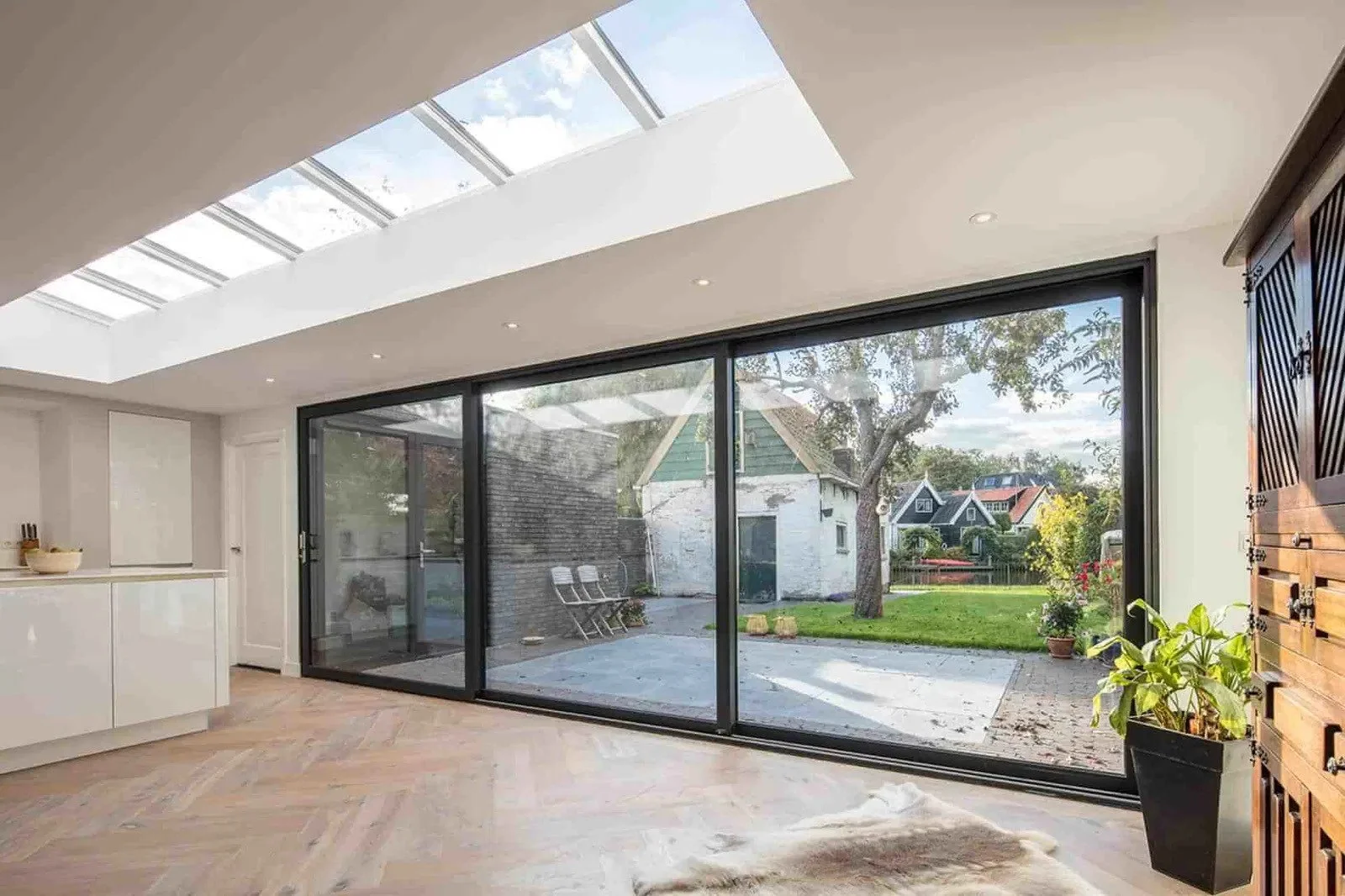
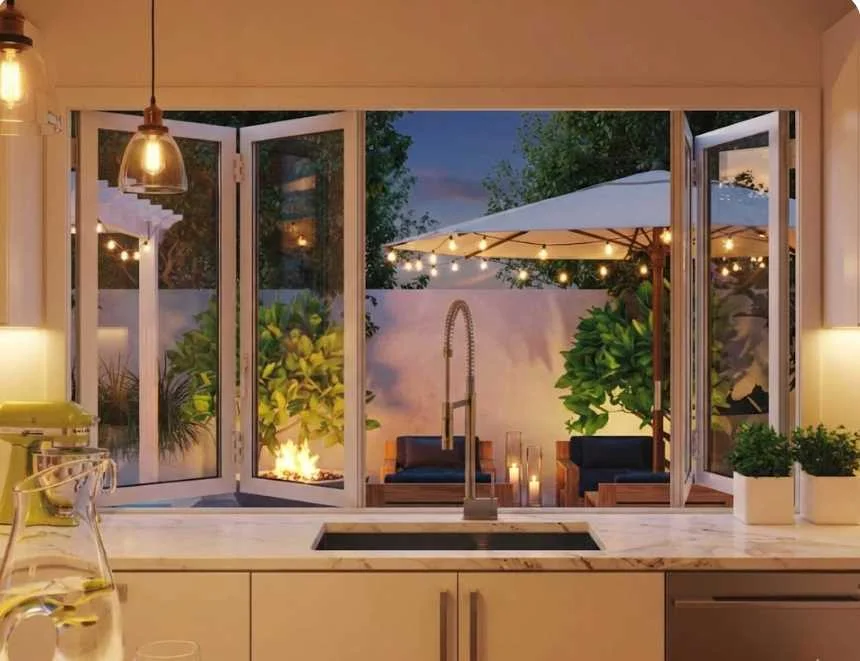
Installing aluminium bifold windows is a precision-based process that ensures structural integrity, smooth operation, and long-term weather resistance. When properly installed, these folding systems create wide, seamless openings that enhance ventilation, natural light, and indoor-outdoor flow.
In simple terms, installation involves accurate measurement, structural preparation, secure frame fixing, panel alignment, hardware calibration, and weather sealing. Each stage directly impacts durability, insulation performance, and ease of operation. Whether your project is in Australia, the UK, or the USA, professional installation is what determines how well your bifold system performs over time.
Understanding Oridow Aluminium Bifold Windows
Oridow’s aluminium bifold windows combine style, durability, and energy savings. They help blend indoor and outdoor living, making them perfect for today’s homes.
Technical Features and Performance Advantages of Aluminium Bifold Windows
When specifying aluminium bifold windows for development projects, consider the following performance criteria:
Structural Performance
- Wind load resistance rating
- Maximum panel width and height
- Frame wall thickness
- Reinforcement options
Thermal Performance
- U-value (W/m²K)
- Thermal break material (e.g., PA66 GF25)
- Double or triple glazing compatibility
Water & Air Tightness
- Multi-point locking systems
- EPDM sealing gaskets
- Integrated drainage channel design
Acoustic Insulation
- Laminated or acoustic glass options
- Seal compression quality
For large-scale procurement, request full performance testing reports compliant with EN, AS, or ASTM standards depending on your target market.
Pre-Installation Preparations
Getting Oridow Aluminium Bifold Windows installed right starts with careful planning. It’s important to assess and prepare the site well. This makes the installation smooth and efficient.
Site Assessment and Measurements
The first step is a detailed site assessment. This checks the current window openings and the area around them and finds any problems that could affect the installation. Taking precise measurements is also key. It ensures the windows fit perfectly, avoiding costly changes later.
Necessary Permits and Building Regulations
Before starting, you must get the right permits and follow building regulations. This ensures that the installation is legal and meets safety and quality standards. Talking to local authorities or a pro installer can help you figure out what’s needed for your project.
Preparing the Window Opening
Getting the window opening ready is a big step. It means removing old windows and fixing any structural issues. This ensures the area is clean and strong enough to accommodate the new windows.
Removing Existing Windows
It’s important to remove old windows carefully to avoid damage. If the windows are old or hard to remove, it might be a good idea to hire professionals.
Structural Considerations
Checking and fixing any structural issues is key. This ensures the opening is solid and ready for the new windows. This might mean fixing any damage or weaknesses in the area.
Focusing on these steps can make the installation process easier for homeowners and installers, leading to a successful and happy outcome.
Essential Tools and Materials for Installation
Before starting the installation of Oridow Aluminium Windows, gather all the tools and materials needed. A well-prepared installer can make the process smooth and quick, helping avoid delays or problems.
Required Tools Checklist
Having the right tools is key to a successful installation. Here are some must-haves:
- Drill and bits
- Tape measure
- Level
- Pencil and marker
- Silicone sealant and gun
- Wrenches and sockets
Materials and Hardware Components
The quality and fit of materials and hardware are important. They ensure Oridow Aluminium Bifold Windows work well. These include:
- Window frames and panels
- Tracks and rollers
- Locking mechanisms
- Handles and accessories
Safety Equipment and Precautions
Safety is a top priority during installation. Important safety gear includes:
- Safety glasses
- Gloves
- Hard hat
- Ladder or scaffolding (when necessary)
It is critical to keep the installer safe and the installation quality high. With the right tools, materials, and safety gear, accident risks can be greatly reduced.

Step-by-Step Installation Breakdown
1. Site Assessment and Measurement
Before any structural work begins, installers conduct a detailed site evaluation. Accurate measurements ensure the window system fits precisely without forcing or excessive adjustment.
Key checks include:
- Opening width and height
- Wall structure and material
- Lintel condition
- Floor level and plumb alignment
- Load-bearing capacity
A precise measurement phase prevents alignment issues later in the process. Even minor inconsistencies can affect panel movement and locking performance.
If you are reviewing configurations beforehand, exploring different bifold window systems can help you understand panel layouts and sizing options.
2. Structural Preparation of the Opening
Once measurements are confirmed, the structural opening is prepared. This ensures the surrounding framework can safely support the weight and movement of the bifold system.
This stage may involve:
- Removing existing windows or doors
- Repairing masonry or timber framing
- Installing or reinforcing a lintel
- Squaring and leveling the opening
Because bifold windows create wider spans, structural reinforcement is often required. In many UK and Australian renovations, building codes require proper beam support before installation proceeds.
3. Frame Placement and Anchoring
The aluminium frame is positioned carefully within the prepared opening. Achieving a perfectly square and level frame is critical for smooth panel operation.
Installers will:
- Dry-fit the frame first
- Use packers for level correction
- Anchor into structural supports
- Confirm diagonal measurements
This step ensures even weight distribution across the system. A misaligned frame can cause sticking panels, uneven gaps, or premature hardware strain.
4. Track System and Panel Installation
With the frame secured, the track system and folding panels are installed. This is where the system begins to take functional shape.
Installers:
- Secure top and bottom tracks
- Mount rollers or hinges
- Hang and align panels
- Adjust spacing for smooth stacking
The engineering behind the folding mechanism plays a key role in performance. The structural principles are explained clearly in this overview of window operation design. Proper alignment ensures panels glide effortlessly without resistance.
5. Hardware Installation and Calibration
Hardware installation determines long-term durability and security. High-quality components ensure the window operates smoothly over years of daily use.
Installers fit:
- Hinges
- Multi-point locking systems
- Handles
- Weather gaskets
After installation, the hardware is calibrated for alignment and pressure balance. Reviewing hardware quality standards helps clarify why premium components matter for lifespan and security.
6. Weatherproofing and Insulation
Weather sealing protects the home from drafts, moisture, and temperature fluctuations. This phase is critical for maintaining energy efficiency.
Installers apply:
- Expanding insulation foam
- Waterproof flashing
- Exterior-grade sealant
- Interior finishing trims
Climate conditions influence sealing requirements. Coastal regions in Australia demand corrosion-resistant materials, while the UK requires enhanced moisture protection and many US states prioritize thermal insulation performance.

Final Adjustments and Quality Testing
After installation, final adjustments and quality testing ensure the bifold system performs exactly as engineered. This stage focuses on smooth operation, airtight sealing, and long-term energy efficiency. Proper calibration at this point prevents premature wear and performance issues.
Professional installers do not consider a project complete until every moving component has been tested under real operating conditions.
Fine-Tuning Window Operation
Precise adjustments ensure effortless folding and secure closure. Even minor misalignment can affect movement and locking performance.
Installers fine-tune:
- Hinges for balanced weight distribution
- Rollers for smooth gliding
- Handles for comfortable operation
- Multi-point locks for secure engagement
Correct calibration reduces strain on hardware and extends lifespan. Systems designed with durable components and precision engineering,
Weather Sealing and Insulation Checks
Energy efficiency depends heavily on proper sealing. During final inspection, installers check that compression seals and gaskets sit evenly along the frame.
Inspection includes:
- Verifying even gasket compression
- Checking perimeter seal integrity
- Inspecting flashing for secure placement
- Confirming no visible air gaps
In climates across Australia, the UK, and the USA, proper sealing protects against drafts, heavy rain, and temperature fluctuations. Correct insulation helps maintain indoor comfort and reduces energy consumption.
Performance and Security Testing
Operational and security testing ensures reliability under daily use.
Testing typically involves:
- Repeated open-and-close cycles
- Lock engagement verification
- Resistance checks under light pressure
- Inspection of panel stacking alignment
Security components must engage smoothly without excessive force. Performance checks confirm the system operates consistently and remains structurally stable.
Installation Quality Comparison
Industry data shows improper installation is a leading cause of window failure, often more than manufacturing defects.
| Performance Area | Proper Installation | Poor Installation |
| Panel movement | Smooth and balanced | Stiff or dragging |
| Energy efficiency | Airtight | Drafts present |
| Water resistance | Fully sealed | Leakage risk |
| Hardware lifespan | Long-term durability | Early wear |
| Structural integrity | Even load distribution | Frame stress |
Troubleshooting Common Installation Issues
Even with professional installation, minor adjustments may occasionally be required. Early troubleshooting prevents long-term complications.
Alignment and Operation Problems
Misalignment can cause stiffness or uneven movement. Panels that do not stack properly often indicate frame or roller adjustment needs.
Solutions include:
- Rechecking frame level and plumb alignment
- Adjusting hinge tension
- Realigning rollers within the track
- Ensuring anchors remain secure
Weather Sealing Challenges
Air leaks or water intrusion often stem from improperly compressed seals or insufficient flashing coverage.
Corrective steps include:
- Inspecting perimeter seals for gaps
- Tightening or repositioning loose gaskets
- Confirming flashing overlaps correctly
- Checking sealant continuity
High-performance sealing is critical for maintaining energy efficiency and interior protection.
Hardware Adjustments
Tracks, rollers, and locking systems may require occasional recalibration, particularly after initial settling.
Maintenance actions:
- Cleaning debris from tracks
- Lubricating moving components
- Adjusting roller height
- Checking lock alignment
Following manufacturer guidance ensures components continue functioning properly. Durable systems designed with strict quality standards reduce the likelihood of frequent adjustments.

Why Oridow Is the Right Supplier for Aluminium Bifold Windows
The reliability of an aluminium bifold window system begins with manufacturing precision. Engineering quality influences everything from structural integrity to long-term operational smoothness.
Oridow aluminium bifold windows are produced using:
- Precision-engineered aluminium extrusion for structural strength
- Reinforced corner joints to enhance frame stability
- Advanced glazing compatibility to support energy efficiency
- Heavy-duty hardware systems designed for frequent use
- Rigorous quality control testing before delivery
These specifications support both residential and commercial projects across Australia, the UK, and the USA, where durability, insulation, and compliance standards are essential.
Detailed system configurations can be reviewed within the broader product collection, alongside technical information available For projects requiring specification clarity or structural coordination, the Support team provides access to additional support resources.
FAQ
How are Aluminium Bifold Windows constructed?
Aluminium bifold windows use top-notch aluminium frames, panels, and parts. The frames are tough and won’t rust, and the panels are usually glass or other materials.
The parts like tracks and rollers make the doors slide smoothly and lock securely.
What holds Bifold Doors in place?
Bifold Doors, like Oridow Aluminium Bifold Windows, stay put thanks to hardware like hinges, tracks, and rollers. These parts keep the doors stable and secure.
Getting these parts right is key for smooth operation and keeping the doors in place.
How long does it take to install aluminium bifold windows?
Installation typically takes 1–2 days for a standard replacement.
More complex projects may take longer:
-
Enlarged structural openings: 2–3 days
-
Custom large-span systems: 3–5 days
-
Projects requiring new lintels or beams: additional structural time
Preparation quality and site access significantly influence timeline.
Do aluminium bifold windows need structural support?
Yes. Because bifold systems create wide openings, proper structural support is essential.
Support requirements may include:
-
Reinforced lintels
-
Engineered steel or timber beams
-
Load-bearing wall assessment
-
Compliance with local building codes
Structural reinforcement ensures safe weight distribution and prevents frame stress over time.
Are aluminium bifold windows energy efficient?
Yes, when properly installed and sealed.
Energy performance depends on:
-
Thermal break technology
-
Double or triple glazing
-
High-quality compression seals
-
Correct frame alignment
-
Professional weather sealing
In cooler UK climates, insulation performance is critical, while in Australia and many US regions, thermal control and UV resistance are equally important.
Can aluminium bifold windows be installed in existing homes?
Yes. Many renovation projects replace traditional windows with bifold systems.
Key considerations include:
-
Structural integrity of the opening
-
Need for lintel upgrades
-
Permit requirements
-
Wall thickness compatibility
Professional site assessment determines feasibility before installation begins.