


Sustainability is now a key part of modern building design. Homeowners, architects, and developers are no longer focused only on how a space looks or functions. They also care about where materials come from, how buildings perform over time, and how design choices affect energy use. Folding windows play an important role in this shift by combining flexible design with environmental responsibility.
As building standards continue to rise across Australia, the UK, and the USA, folding windows have moved beyond being a luxury feature. They are now a practical solution for energy-conscious homes and buildings. Their ability to bring in natural light, improve airflow, and use sustainable materials makes them an important part of modern eco-friendly design.
What Are Sustainable Folding Windows?
Sustainable folding windows are high-performance window systems designed to minimize environmental impact while maximizing durability, energy efficiency, and usability. Sustainable Folding windows rely on responsibly sourced materials, advanced insulation technology, and smart engineering to reduce long-term energy use.
Unlike traditional windows, modern folding systems are designed with:
- High-recyclability materials
- Low-emission manufacturing processes
- Long life cycles that reduce waste
- Advanced thermal performance
These features help buildings meet stricter energy regulations while offering flexible, open-plan living spaces.
Why Sustainable Materials Matter in Folding Window Design?
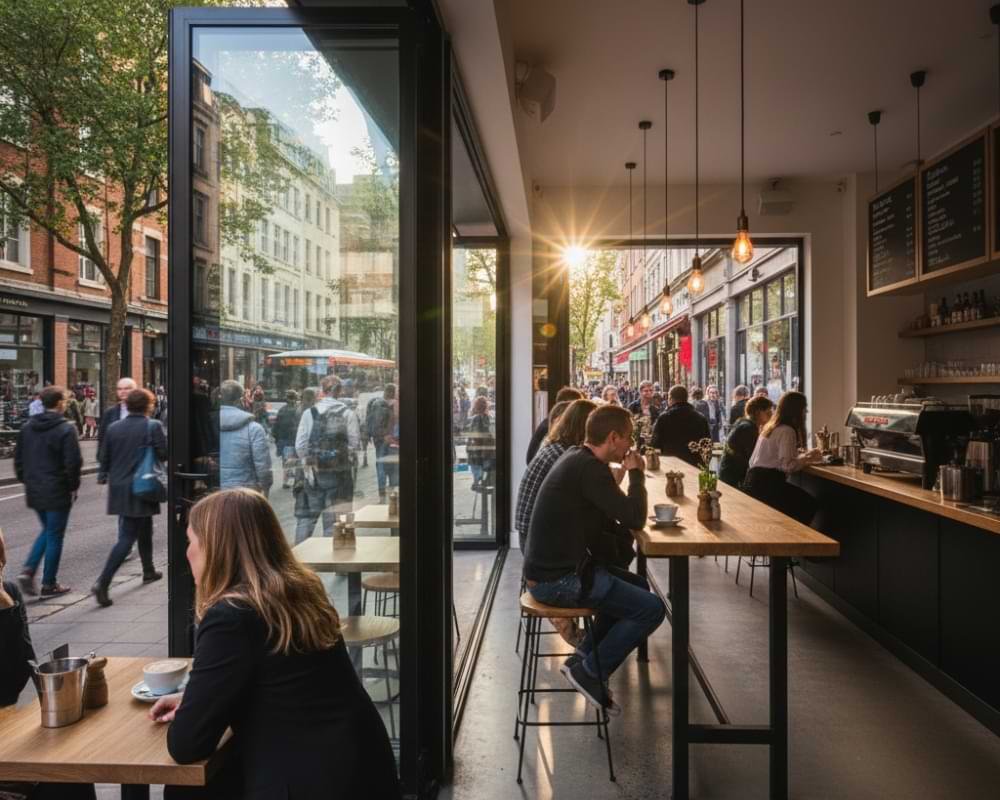
Environmental Responsibility
Building materials play a big role in global carbon emissions. Choosing sustainable materials helps reduce the energy used to make and transport them. This lowers the overall environmental impact of a building.
Aluminum is one of the most eco-friendly materials available when sourced responsibly. It can be recycled again and again without losing strength, which makes it a smart choice for long-lasting and sustainable construction.
Energy Efficiency and Climate Control
Poor-quality windows are one of the leading causes of heat loss in buildings. Sustainable folding windows are engineered to prevent thermal transfer, helping maintain indoor temperatures and reducing reliance on heating and cooling systems.
This is particularly important in climates with temperature extremes, where energy-efficient windows can significantly reduce utility costs year-round.
Durability and Reduced Waste
Sustainability is not just about materials but also longevity. Folding windows made with high-grade aluminum and premium hardware can last decades with minimal maintenance, reducing the need for replacements and material waste.
Sustainable vs Traditional Window Materials
| Feature | Sustainable Folding Windows | Traditional Window Systems |
| Material Lifespan | 30+ years | 10–20 years |
| Recyclability | High (aluminum & glass) | Limited |
| Energy Efficiency | Excellent with thermal breaks | Moderate to low |
| Maintenance | Low | Medium to high |
| Environmental Impact | Low | Higher |
| Design Flexibility | High | Limited |
This comparison highlights why sustainable folding windows are becoming the preferred option for modern construction.
Key Eco-Friendly Materials Used in Folding Windows
Aluminum Frames
Aluminum dominates the sustainable window market due to its strength-to-weight ratio and recyclability. Modern aluminum folding windows use thermally broken frames that prevent heat transfer while maintaining structural integrity.
Benefits include:
- Corrosion resistance
- Slim sightlines
- High load-bearing capacity
- Compatibility with large glass panels
High-Performance Glass
Glass technology has advanced significantly in recent years. Most sustainable folding windows now use:
- Double or triple glazing
- Low-emissivity coatings
- Argon or krypton gas fills
- Acoustic insulation layers
These features improve energy efficiency while reducing noise pollution.
Environmentally Safe Finishes
Powder-coated finishes are now the standard for eco-friendly window systems. They emit fewer volatile organic compounds and offer superior durability compared to traditional paint finishes.
Aluminum vs Timber vs uPVC Folding Windows
| Feature | Aluminum | Timber | uPVC |
| Sustainability | High | Moderate | Low |
| Maintenance | Very low | High | Moderate |
| Lifespan | 30–40 years | 15–25 years | 15–20 years |
| Weather Resistance | Excellent | Moderate | Moderate |
| Design Flexibility | High | Medium | Limited |
| Recycling Potential | 100% | Partial | Low |
Aluminum clearly stands out as the most sustainable and practical option for folding window systems.
How Folding Windows Improve Energy Efficiency
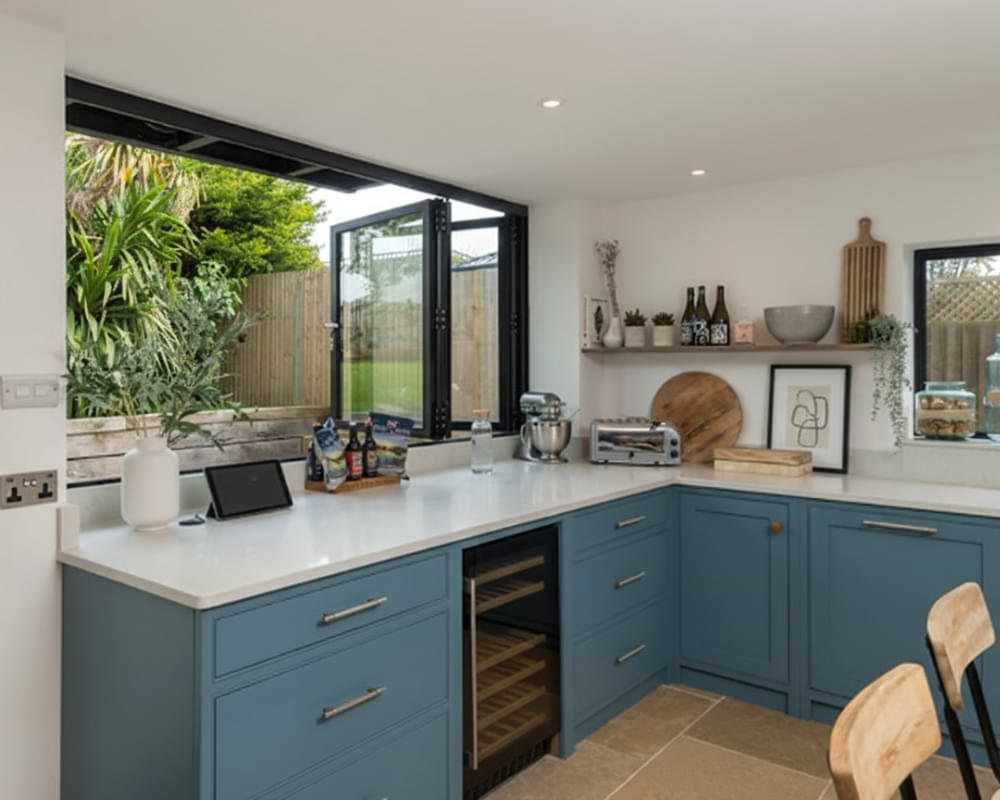
Thermal Performance Modern folding windows use special frame designs and thermal breaks to slow down heat transfer between inside and outside spaces. This helps keep rooms warm in winter and cool in summer. As a result, buildings rely less on heating and cooling systems and support more energy-efficient designs.
Passive Solar Design Large glass panels let in natural sunlight, which helps warm indoor spaces during cooler months. When paired with low-E glass, the heat from the sun is controlled, keeping rooms comfortable without raising cooling costs.
Reduced Reliance on Artificial Lighting. Folding windows bring more daylight into a space, reducing the need for artificial lighting during the day. This lowers electricity use and creates a brighter, more comfortable indoor environment.
The Role of Folding Windows in Sustainable Architecture
Folding windows are now a key element in:
- Passive house designs
- Eco-residential developments
- Sustainable hospitality spaces
- Energy-efficient renovations
Their ability to blur indoor and outdoor spaces supports natural airflow and reduces dependence on mechanical ventilation systems.
Modern kitchen and living designs increasingly rely on folding systems to create adaptable, open environments that align with sustainability goals. This design approach is especially common in coastal and temperate regions where airflow and natural light are essential.
Energy Performance Impact
| Feature | Standard Windows | Folding Windows |
| Natural Ventilation | Limited | Excellent |
| Daylight Exposure | Moderate | High |
| Energy Savings | Low | High |
| Indoor Comfort | Moderate | High |
| Sustainability Rating | Average | Strong |
This performance advantage explains why folding windows are frequently specified in modern green building projects.
Why Oridow Is the Right Supplier for Folding Windows?
Choosing the right supplier plays a crucial role in the performance and longevity of folding window systems. Oridow delivers solutions that align with modern architectural standards, sustainability goals, and long-term reliability.
- Precision-engineered aluminum frames designed for strength, stability, and long-term performance
- Advanced thermal insulation that supports energy efficiency and indoor comfort
- Smooth-glide track systems engineered for effortless operation and daily use
- Custom sizing options suitable for both residential and commercial applications
- Durable construction designed to meet modern sustainability and building standards
- Sleek, contemporary designs that integrate seamlessly into modern homes and commercial spaces
Oridow’s folding windows combine strong engineering with clean, modern design. This makes them a trusted choice for architects, builders, and homeowners. You can explore their full folding window range through their dedicated window systems or view their complete architectural options in the product collection.
If you need help choosing the right folding window for your project, Oridow’s support team is ready to assist. They can help with sizing, specifications, and design choices to make sure the system fits your space perfectly.
Key Benefits of Sustainable Folding Windows
- Reduced energy consumption
- Improved thermal comfort
- Long product lifespan
- Minimal maintenance requirements
- Increased natural light
- Enhanced indoor-outdoor connection
- Higher property value
These benefits make folding windows a smart investment for both new builds and renovations.
Frequently Asked Questions
1. Are folding windows environmentally friendly?
Yes. When made from recyclable aluminum and paired with energy-efficient glass, folding windows significantly reduce energy consumption and environmental impact.
2. Do folding windows help lower energy bills?
They do. High-performance glazing and thermal breaks help maintain indoor temperatures, reducing heating and cooling costs.
3. Are aluminum folding windows better than timber?
- Aluminum is more durable and resistant to weather damage
- Requires less maintenance over time
- Fully recyclable, making it a more sustainable choice
- Maintains strength and appearance longer than timber
4. Can folding windows be used in cold climates?
- Yes, modern folding windows are designed for cold conditions
- Insulated frames help reduce heat loss
- Double or triple glazing improves thermal performance
- Suitable for climates in the UK and northern USA
5. Where can I get expert advice on folding window systems?
- Explore design options on Oridow’s official website
- Review technical details and product information online
- Speak directly with specialists through the contact page
- Get guidance on sizing, performance, and design choices


