


Many homeowners assume that installing uPVC windows and doors means they will last forever without maintenance. While uPVC is incredibly durable, long-lasting, and designed for low upkeep, regular cleaning and maintenance are still essential, especially if you are in the uPVC windows supply only business and want to ensure that fittings, gasket profiles, and hardware remain functional.
Today, uPVC windows and doors remain a top choice due to their weather resistance, insulation properties, and minimal upkeep requirements, but they still require routine care to maintain performance, appearance, and longevity.
This manual explains the science behind uPVC, how expansion occurs, and offers step-by-step instructions for cleaning uPVC windows, restoring uPVC frames, and maintaining uPVC doors and windows like a professional.
Understanding uPVC: What Is It?
uPVC stands for unplasticized polyvinyl chloride, a strong, rigid, and non-flexible form of PVC widely used in the building industry. Unlike standard PVC, uPVC has:
-
superior structural rigidity
-
resistance to chemicals and weather
-
an impressive lifespan
-
low maintenance requirements
Its toughness makes it ideal for window frames, sills, doors, and external fittings. When supplying uPVC windows, always refer customers to the Window Energy Ratings (WER) to ensure they choose energy-efficient options.
Why Does uPVC Expand?
Like all plastics, uPVC expands when exposed to heat. This is a natural and harmless reaction. In hot weather:
-
uPVC frames may swell up to 2.4 cm at 40°C
-
Windows and doors may become stiff or difficult to operate
-
locking mechanisms may temporarily feel tight
This expansion is temporary. Once temperatures drop, the frames revert back to normal without suffering long-term damage.
Understanding this helps prevent unnecessary panic and ensures customers handle summer swelling correctly.
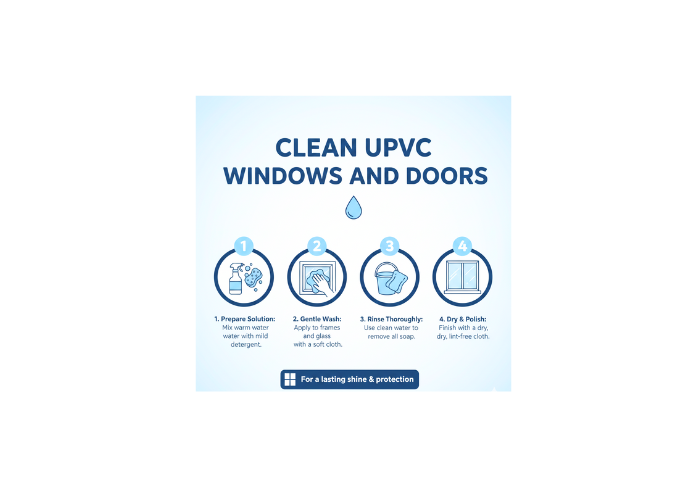
How to Clean uPVC Windows and Doors (Step-by-Step)
Whether you supply uPVC windows only or maintain them professionally, proper cleaning is crucial. Here’s the complete method for cleaning uPVC windows, restoring white uPVC frames, and achieving streak-free results.
Step 1: Dry Dusting
Start with a soft, non-abrasive dry cloth.
-
Remove dust from frames, sills, and corners. Avoid applying excessive pressure
-
DO NOT use newspapers for glass cleaning (a common myth)
This prevents scratches and prepares the window for deeper cleaning.
Step 2: Wipe with a Damp Cloth
Next, use a wet microfiber cloth to gently clean the glazed surfaces.
A gentle circular motion prevents streaks and protects the finish. If the windows are only lightly soiled, this may be enough.
Step 3: Use a uPVC Cleaner (If Needed)
For stubborn dirt, stains, or yellowing:
-
Apply a specialist uPVC window cleaner
-
Avoid harsh chemicals like bleach, solvents, or abrasive creams
-
Never apply cleaner directly to the frame—always put it on the cloth
Choosing the wrong cleaner can permanently damage the glossy finish, so always verify that the product is suitable for uPVC.
DIY uPVC Cleaner (Vinegar Solution)
Mix:
-
1 part white vinegar
-
2 parts warm water
-
a few drops of mild detergent (optional)
Use this solution to remove grime, restore shine, and clean white uPVC frames without harming the surface.
Step 4: Buff with a Dry Cloth
This final step prevents streaks and restores the natural sheen.
-
Use a clean, dry microfiber cloth
-
Wipe gently
-
Svoiding paper towels, scouring pads, and rough materials
For newly installed windows, even plain paper can be used to buff without scratching.
Maintenance Tips: Preventing Expansion and Sticking
uPVC expansion cannot be stopped, but you can reduce its impact.
Cooling the Frames
If windows or doors become stuck on hot days:
-
Spray the frames with cool water
-
Use a cold damp cloth to pat the frame
-
Cool the locking mechanism gently
This helps the material contract faster.
Adjust the Hinges
Modern uPVC doors—especially French and casement doors—feature adjustable hinges.
-
Adjust them to improve alignment
-
Reduce pressure on swollen frames
-
Maintain smooth opening and closing
This is a temporary solution but effective during heatwaves.
Clean the Drainage Slots
Blocked drainage slots cause condensation, mold, and difficulty closing.
-
Clean slots beneath the sill
-
Remove debris with a soft brush
-
Ensure proper water flow
Use Mild Soapy Water Regularly
As part of routine maintenance:
-
Clean frames using warm water and mild soap
-
Avoid chlorine, solvents, abrasive creams, or aggressive chemicals
-
Rinse thoroughly
Harsh products can ruin the factory finish and reduce the window’s lifespan.
Cleaning the Glass: Inside and Out
To clean uPVC window glass properly:
-
Spray with glass cleaner
-
Wipe with a clean microfiber cloth
-
Buff until streak-free
-
Repeat for the exterior glass
If using dish soap, always rinse with clean water to avoid streaks.
A classic pro tip: buff with crumpled newspaper—but only on glass, never on uPVC frames.
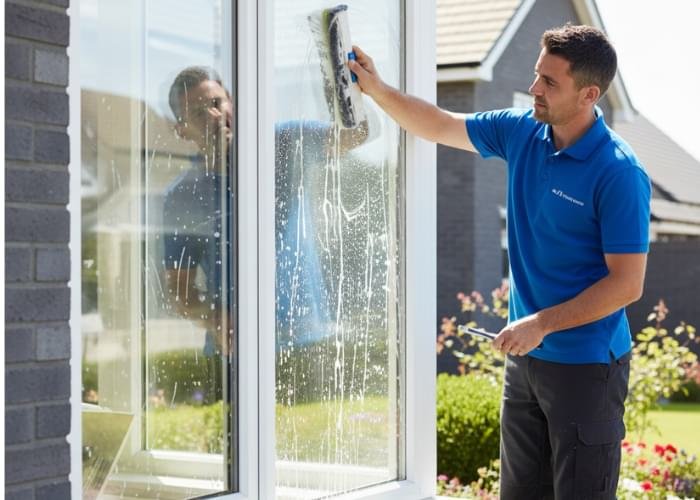
Cleaning uPVC Surrounds and Window Sills
For surrounding areas:
-
Use mild household cleaners
-
Dilute dishwashing liquid in warm water
-
For stubborn stains, use a cream bathroom cleaner (check compatibility first)
-
Rinse thoroughly to remove residue
Avoid abrasive cloths or steel scrubbers—they will scratch the surface permanently.
Regular Preventive Maintenance
To keep uPVC windows and doors operating smoothly:
-
Lubricate hinges and locking points twice a year
-
Tighten loose screws
-
Check for seal damage
-
Clean gasket profiles
-
Remove accumulated dirt and debris
If you supply uPVC windows only, it’s essential to educate customers on these maintenance steps to ensure long-term performance.
Keep Blinds at the Right Distance
Leave a minimum 15 mm gap between blinds/curtains and the window to encourage airflow. This reduces the risk of:
-
mold
-
mildew
-
condensation buildup
Final Checklist for Professionals and Homeowners
To maintain uPVC windows and doors:
✔ Clean with warm soapy water regularly
✔ Use appropriate uPVC cleaners
✔ Avoid abrasive products at all costs
✔ Lubricate hinges and locks twice a year
✔ Keep drainage channels clear
✔ Cool the frames during heat-induced expansion
✔ Check for loose hardware
✔ Buff glass for a streak-free finish
Following these steps ensures:
-
Extended product lifespan
-
Smooth operation
-
Enhanced appearance
-
Improved thermal efficiency
-
Satisfied customers
-
Higher value in uPVC windows supply only services
Conclusion
Neglecting maintenance for uPVC doors and windows—whether in homes or commercial projects—can lead to unnecessary damage, reduced efficiency, and operational issues. Regular cleaning, careful product selection, and basic maintenance keep your uPVC windows, frames, and doors looking new, functioning smoothly, and performing efficiently for decades.
FAQs
1. How do I clean white uPVC window frames that have turned yellow over time?
Yellowing is usually caused by UV exposure or grime buildup. Use a mild uPVC cleaner or a vinegar-water solution, gently scrubbing with a microfiber cloth. Avoid bleach or abrasives—they damage the surface instead of restoring the whiteness.
2. What’s the best product to clean uPVC windows without scratching them?
Use a non-abrasive uPVC cleaner or warm soapy water with a soft microfiber cloth. Avoid scouring pads or cream cleaners, as they can dull the finish. Specialist uPVC restoration creams work well for stubborn stains and marks.
3. My uPVC windows are sticking in hot weather—what can I do?
Heat causes natural uPVC expansion. Cool the frames with cold water or a damp cloth. If still stiff, slightly adjust the hinges or locking points. They’ll return to normal shape once temperatures drop.
4. Can vinegar damage uPVC windows?
Vinegar won’t damage uPVC when diluted properly. A 1:2 vinegar-to-water solution is safe and effective for cleaning frames and glass. Never use pure vinegar, harsh chemicals, or bleach, as they can weaken seals or discolor the surface.
5. What’s the safest way to clean the inside and outside glass on uPVC windows?
Use a standard glass cleaner or a warm water–dish soap mix. Wipe with a microfiber cloth, then buff dry for streak-free results. Avoid using newspapers on frames, only on glass if needed.
6. How do I remove black mould from uPVC window frames?
Gently clean affected areas with warm soapy water or a diluted vinegar solution. Use a soft cloth or brush. Ensure the room is ventilated and check drainage slots—blocked channels often cause moisture buildup leading to mould.
7. My uPVC window hinges feel stiff—should I lubricate them?
Yes. Apply silicone spray or light machine oil to hinges, locks, and moving parts once or twice yearly. Avoid WD-40—it can attract dust. Lubrication keeps windows operating smoothly and prevents long-term wear.
8. Is it okay to use pressure washers on uPVC windows and doors?
Avoid pressure washers—they can force water into seals, damage gaskets, or loosen fittings. Stick to soft cloths, warm soapy water, and low-pressure hoses. Pressure washing often causes leaks later on.


