Windows are the eyes to your home, it is essential that you choose the right kind. The primary function of a window is to provide a proper view, ventilation, and protection from the world.
But the current trends of window placement and styles have changed drastically. Gone are the days when people invested in robust windows for their durability.
Nowadays, people want style and functionality and Jalousie windows are definitely here to deliver both. The coming sections will highlight detailed information about jalousie windows and how to replace a jalousie window.
Should You Keep, Repair, or Replace Jalousie Windows?
| Keep | Repair | Replace |
|---|---|---|
| Windows operate correctly | One or two slats damaged | Significant frame corrosion |
| Ventilation is the priority | Crank needs repair | Persistent drafts or leaks |
| No significant moisture problems | Clips or seals need attention | Major security concerns |
| Suited to the local climate | Compatible parts are available | Multiple components failing |
What Is A Jalousie Window?
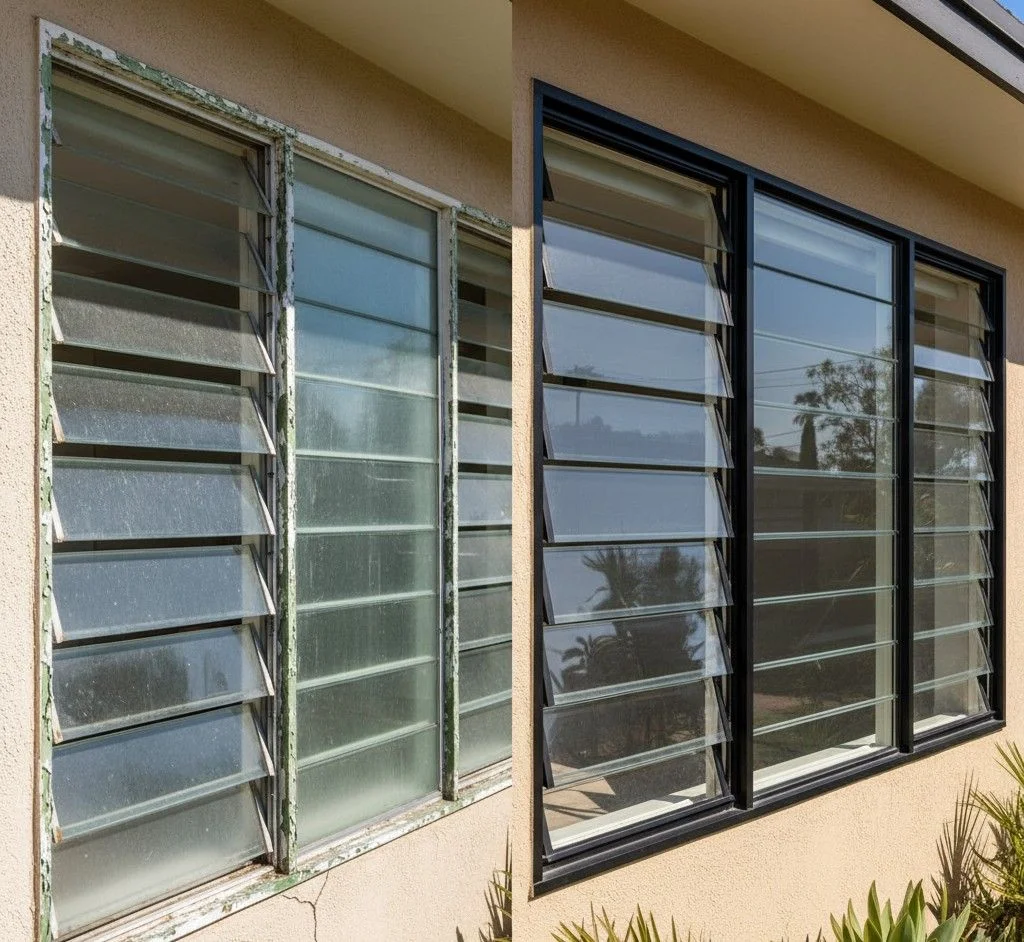
A jalousie window consists of multiple horizontal slats, or louvers, arranged in parallel and operated by a crank or lever that tilts them open or closed together to regulate airflow and light.
Typically made from glass or uPVC, these windows gained popularity in warm mid-20th-century climates for allowing ventilation while blocking rain. Today, they are still found in porches, sunrooms, and coastal homes, valued for their balance of fresh air circulation and privacy.

How a Jalousie Window Works?
A jalousie window also known as a louvered window, is designed to maximize airflow while offering simple control over ventilation and light. Its unique structure makes it especially popular in warm, tropical, and coastal climates. To understand whether this window type is right for your home, it’s helpful to know exactly how a jalousie window works and what each component does.
1. Horizontal Slats (Louvers)
At the core of a jalousie window are horizontal slats, often made from glass, aluminum, or acrylic. These slats are stacked vertically within the window frame, one above the other.
From a user perspective, the slats are what determine:
-
How much air enters the room
-
How much light is allowed inside
-
The level of privacy when partially open
Because the slats move together, airflow is evenly distributed across the entire window opening rather than coming from a single gap.
2. Frame and Clips System
The slats are held in place by small clips or brackets attached to a metal or aluminum frame. These clips grip the edges of each slat and allow them to pivot simultaneously.
This design:
-
Keeps all slats aligned during movement
-
Ensures smooth opening and closing
-
Reduces stress on individual slats
For users, this means consistent operation with minimal effort when the system is properly maintained.
3. Crank or Lever Mechanism
Most jalousie windows are operated using a manual crank or lever, typically mounted on the frame. Turning the crank activates a linkage system connected to all the slats.
The crank allows you to:
-
Open the window slightly for gentle ventilation
-
Fully open the slats for maximum airflow
-
Close the window in a controlled, gradual motion
Some modern versions replace the crank with a lever or motorized control for improved convenience.
4. Tilting and Opening Action
When you turn the crank, the bottom edge of each slat tilts outward and upward. All slats move together in a synchronized motion. When fully open, the slats lie nearly horizontal, allowing air to flow freely while still providing some shading from direct sunlight.
This tilting action is what makes jalousie windows particularly effective for natural ventilation.
5. Overlapping Seal When Closed
When fully closed, the slats overlap each other, forming a basic seal against outside elements. While this provides reasonable protection from rain and wind, it is not as airtight or insulated as modern casement or tilt-turn windows.
From a practical standpoint:
-
Suitable for warm climates
-
Less ideal where insulation or soundproofing is critical
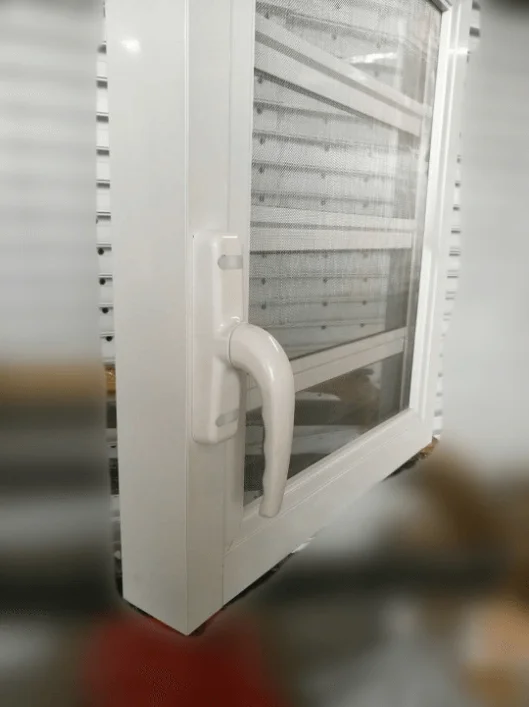
There are options in the material of the panel, some might use aluminum and others might offer them in various hard materials to increase the durability of the window.
Benefits Of Jalousie Windows
Rain-Friendly Design
Jalousie windows are designed with angled glass or panel slats that overlap when closed or partially open. This slanted configuration helps direct rainwater downward and away from the interior. As a result, homeowners can often keep jalousie windows slightly open during light rain without water entering the living space, allowing fresh air circulation while still maintaining basic protection from the elements. This makes them especially suitable for warm, humid, or tropical climates where sudden light rain is common.
Better Ventilation and Airflow
Compared to single-hung or double-hung windows, jalousie windows provide superior ventilation. Each slat opens simultaneously, creating multiple airflow points across the full window area. Traditional hung windows typically allow only half of the window area to open at one time. Jalousie windows, by contrast, offer nearly full ventilation capacity, making them highly effective for improving indoor air circulation and helping reduce reliance on mechanical cooling in warm climates.
Easy and Cost-Effective Repairs
One of the practical advantages of jalousie windows is their modular construction. If a slat or panel becomes damaged, it can be removed and replaced individually without disturbing the rest of the window. This localized repair approach is far more cost-effective than replacing a full glass pane or window unit, as is often required with conventional window designs. Maintenance is simpler, quicker, and less expensive, particularly for long-term use.
Easier to Decorate and Renovate
Jalousie windows offer a high level of design flexibility. Individual glass slats can be replaced with different materials such as tinted glass, frosted glass, aluminum, or even wood-style panels to match interior décor or renovation themes. This flexibility allows homeowners to update the look of a space without replacing the entire window system, making jalousie windows adaptable to changing design preferences.
Signs Your Jalousie Windows Need Replacement
Jalousie windows are known for excellent ventilation and easy maintenance. However, aging frames, damaged glass slats, and worn-out mechanisms can affect their performance.
While minor problems are often repairable, certain warning signs indicate that replacing your jalousie windows may be the better long-term solution.
1. Frequent Air Leaks and Drafts
Older jalousie windows often develop gaps between their overlapping glass slats. These openings allow unwanted outdoor air to enter, even when the windows are closed.
Look for these signs:
- Noticeable drafts around closed windows
- Gaps between glass slats
- Damaged or missing weatherstripping
- Difficulty maintaining indoor temperatures
If replacing the seals doesn’t solve the problem, consider upgrading to modern, better-sealed windows.
2. Water Leakage During Rain
Jalousie windows can provide ventilation during light rain, but aging seals and misaligned slats may allow water to enter.
Common warning signs include:
- Water collecting on interior window sills
- Moisture entering between closed slats
- Mold or water stains around window frames
Persistent leakage can damage nearby walls and flooring. If repairs cannot restore proper weather resistance, window replacement may be necessary.
3. Broken or Difficult-to-Operate Cranks
The crank mechanism controls how jalousie window slats open and close. Over time, gears, handles, and connecting components may wear out.
You might notice:
- Cranks becoming stiff or difficult to turn
- Slats failing to open or close completely
- Loose handles or damaged operating gears
A faulty crank alone usually doesn’t require replacing the entire window. However, recurring mechanical problems and unavailable replacement parts may make a new window more practical.
4. Rusted or Damaged Window Frames
Older metal jalousie window frames may develop corrosion, particularly in humid or coastal environments.
Watch for:
- Rust around metal frames and brackets
- Bent or weakened window sections
- Loose glass-holding clips
- Frames that no longer support the slats securely
Minor surface corrosion may be repairable. Significant structural deterioration, however, often makes replacement the safer option.
5. Poor Energy Efficiency
Traditional jalousie windows have multiple overlapping sections that can allow air leakage and heat transfer.
This may cause:
- Uncomfortable indoor temperatures
- Excessive drafts during colder months
- Increased heating or cooling demands
If energy efficiency is a priority, consider replacement windows with improved sealing, appropriate glazing, and verified thermal performance.
6. Security Concerns
Damaged clips, loose glass slats, and weak locking mechanisms can reduce window security.
Replacement may be worth considering when:
- Glass slats can be removed easily
- Locks or operating mechanisms no longer secure the window
- Window frames are loose or severely damaged
Modern designs with reinforced components and improved locking systems may offer better protection, depending on their construction.
Should You Repair or Replace Jalousie Windows?
Not every damaged jalousie window requires complete replacement. The condition of its frame, glass slats, and operating mechanism should guide your decision.
| Window Condition | Recommended Action |
|---|---|
| One broken glass slat | Replace the damaged slat |
| Faulty crank mechanism | Repair or replace the operator |
| Minor weatherstripping damage | Install compatible replacement seals |
| Severe frame corrosion | Consider full replacement |
| Persistent leaks after repairs | Consider replacement |
| Repeated mechanical failures | Evaluate a new window system |
| Significant insulation or security concerns | Consider modern alternatives |
The bottom line: Keep your jalousie windows if they still operate smoothly, provide adequate ventilation, and protect your home from the elements. If repairs become frequent or the windows no longer meet your comfort and security needs, replacement may offer better long-term value.
Downsides of Jalousie Windows
Limited Water Resistance in Heavy Weather
While jalousie windows handle light rain well, they are less effective during heavy rain or strong winds. Because the window consists of multiple overlapping slats rather than a continuous sealed pane, water can seep through gaps under severe weather conditions. Solid, tightly sealed windows provide stronger protection against driving rain and snow, making jalousie windows less suitable for storm-prone or cold regions.
Insulation and Energy Efficiency Limitations
Jalousie windows contain multiple joints and openings, which reduces their ability to provide strong thermal insulation. Heat can escape more easily during colder months, and outdoor air may enter the home unintentionally. For this reason, jalousie windows are best suited for warm climates, sunrooms, or well-ventilated spaces, rather than homes in cold or extreme weather regions where energy efficiency is a priority.
Advantages of Having Jalousie Windows
If you want to have your windows open during a storm, you will like having jalousie windows.
You’ll be able to let the cold air from the storm in a while, preventing the floors and other surfaces surrounding the windows from getting wet thanks to the slats’ ability to deflect rain and keep the elements out, much as an awning window would.
Improved Circulation of Air
Since they use the full aperture, jalousie windows allow for greater ventilation than other types of windows, such as single-hung or double-hung varieties.
Whether you have single- or double-hung windows, you can only open up a fraction of the available area at any moment. On the other hand, Jalousie windows do not have the same level of protection from the elements as these substantial windows.
Maintenance and Little Adjustments
Since you simply need to replace the broken slat, repairing Jalousie window slats is a simple task that results in significant cost savings.
Replacement of a whole pane of glass is often required for traditional windows, which results in increased expenses. Unhooking the damaged portion of your jalousie window system and replacing it with a new one is what you do when it breaks.
Although glass was much more brittle and easily broken many decades ago, one of the primary reasons people loved these windows was how simple and quick it was to maintain them.
Several Approaches to the Decoration of the Space
The slats of jalousie windows may be replaced with various kinds of glass or even materials that aren’t glass, such as aluminum or wood, which is another advantage of these sorts of windows.
If you decide to accomplish either, you won’t have any trouble turning your window into a shutter or a chic frosted privacy window. To replace the existing glass slats with replacements of the same size, you need to detach the moving parts from their hooks and slide them out.
Compared to a window with a complete pane, this form of window may have its appearance and functionality modified with far less effort.
Consider Your Options Before Opting for Jalousie Windows
Jalousie windows are not recommended for use in northern climate houses since they do not provide the same level of insulation as other types of windows.
Since they are made up of many different components, there are too many spaces between each one to be successfully sealed.
Sunrooms are the only appropriate locations for these windows in a cold climate home if the goal is to maintain a comfortable temperature throughout the house and have energy efficient windows.
Consider installing jalousie windows in your house if you are in the market for low-maintenance windows that let you keep your home’s air circulating even when it is raining outside.
Awning windows offer many of the benefits of jalousie windows without the drawbacks. Suppose you live in a cold climate or want a window offering better insulation for your home.
In that case, you should consider awning windows which offer many advantages over jalousie windows. However, they do have some limitations. To install your new jalousie windows, you should look for a reputable window replacement contractor.
How to Replace Jalousie Windows?

-
Skill Level Required
-
Replacing jalousie windows as a DIY project requires significant skill and experience.
-
Whether swapping them for another jalousie or upgrading to a more conventional option (e.g., double-hung), careful planning is essential.
-
-
Key Installation Considerations
-
Factor in the balance between natural light, airflow, and ventilation control.
-
Ensure the new window type meets your comfort and design goals.
-
-
Hiring a Contractor
-
Professional replacement provides warranties, correct installation, and competitive pricing.
-
Contractors ensure compliance with building codes and local requirements.
-
-
Expert Evaluation
-
A skilled window installer will assess your home’s architecture, construction, and climate conditions.
-
They can also advise on eligibility for tax credits or rebates related to energy efficiency.
-
-
Benefits of Proper Replacement
-
Enhances curb appeal and modernizes your home.
-
Increases property value and improves energy efficiency.
-
Ensures long-term durability and optimal performance.
-
Jalousie Windows Replacement Parts
When considering the purchase of jalousie windows, one of the most significant considerations is how simple it is to find the necessary components, such as crank window parts or jalousie window parts.
The good news is that several respectable manufacturers make jalousie window components easily accessible.
Customers and builders prefer jalousie windows because they need less upkeep and are simpler and more affordable to replace. In many cases, repairing or changing components may be achieved with low mechanical expertise and the right amount of direction.
The majority of people choose to seek jalousie windows components on the internet. Slats, cranks, and window frame are the three components most often sought after.
The jalousie window operators or hand cranks are the most likely to become defective from these three components.
These devices, which consist of a handle and a crank gear, are used to open and shut the window. This jalousie window component is more likely to need repair or replacement as its use increases.
There is a wide array of websites belonging to different manufacturers and other online how-to manuals that might be useful.
How Oridow Improves Modern Jalousie Windows
Traditional jalousie windows provide excellent airflow but often struggle with air leakage, weather resistance, and security.
At Oridow, we address these common limitations through updated materials, improved sealing components, and customizable window designs.
Here are the key features of our modern jalousie windows.
1. EPDM Gaskets for Improved Sealing
Older jalousie windows may allow air and water to pass through gaps between glass slats.
Oridow incorporates EPDM rubber gaskets into its window designs to help improve sealing and reduce unwanted air and water infiltration.
Key benefits include:
- Improved contact between window components
- Reduced gaps when properly closed
- Better protection against everyday weather exposure
Actual weather resistance depends on the complete window design, installation, and tested performance.
2. Low-E Glass for Better Thermal Performance
Traditional jalousie windows often provide limited insulation compared with modern sealed window systems.
Oridow offers low-emissivity (Low-E) glass options to help reduce heat transfer through the glazing.
Low-E glass can help:
- Reduce heat transfer through glass surfaces
- Improve thermal comfort
- Support energy-efficient window configurations
Overall energy performance also depends on frame construction, air leakage, and glazing specifications.
3. Durable Aluminum Window Frames
Oridow uses aluminum components to provide structural strength and durability.
Aluminum frames offer several practical advantages:
- Strong support for window components
- Relatively low maintenance requirements
- Flexible design and customization options
Frame finish, corrosion protection, and thermal performance should be selected according to local climate and project requirements.
4. Adjustable Louvers for Flexible Ventilation
Oridow’s adjustable louver design allows users to control the opening angle of the window blades.
This makes it easier to:
- Adjust indoor airflow
- Control natural ventilation
- Manage light and privacy
- Reduce direct exposure to light rain by adjusting the slats
Windows should be securely closed during severe weather or strong wind-driven rain.
5. Additional Security Features
Traditional jalousie windows may have security limitations because their individual glass slats are relatively accessible.
Oridow’s design incorporates aluminum bars behind the blades to provide additional reinforcement.
These components are intended to strengthen the assembly, although actual security performance depends on the complete window system, hardware, and installation.
6. Optional Insect Screens
Fresh airflow is one of the biggest advantages of jalousie windows, especially in warm climates.
Oridow offers insect screen options that allow homeowners to enjoy natural ventilation while helping keep mosquitoes and other insects outside.
Why Choose Oridow Jalousie Windows?
Oridow manufactures customizable aluminum and glass window solutions for residential and commercial projects.
Whether you’re replacing older jalousie windows or planning a new installation, we offer options designed around your preferred dimensions, materials, ventilation needs, and project requirements.
Looking for modern jalousie windows? Contact Oridow to discuss available configurations, product specifications, and a customized quotation for your project.
Frequently Asked Questions (FAQs)
1. Are jalousie windows outdated?
Jalousie windows were most popular in the mid-20th century, especially in warm climates. While they aren’t as common today, many homeowners still appreciate them for their ventilation and vintage style. Modern versions now come with improved materials and seals, making them more efficient than older models.
-
Provide excellent airflow and ventilation
-
Still popular in sunrooms, patios, and coastal homes
-
Modern upgrades improve insulation and durability
2. Do jalousie windows leak?
Traditional jalousie windows can let in water and air because of the gaps between the slats. However, newer designs often include weatherstripping and gaskets to minimize leaks.
-
Older models = higher chance of water seepage
-
Newer models with EPDM gaskets are more water-resistant
-
Best suited for warm climates rather than cold or rainy regions
3. Are jalousie windows energy efficient?
By design, jalousie windows are not as energy efficient as double-hung, casement, or awning windows. Their many openings allow heat loss in winter and can make cooling less effective in extreme climates.
-
Poor insulation compared to modern windows
-
Suitable for homes in warm or coastal regions
-
Can be upgraded with low-E glass and aluminum framing for better efficiency
4. Can you still buy jalousie windows and parts?
Yes. While less common than other window types, jalousie windows and replacement parts are still available from specialized manufacturers and online suppliers.
-
Common parts: slats, cranks, frames
-
Replacement parts are affordable and easy to install
-
Best sourced online from reputable suppliers or contractors
5. How much does it cost to replace jalousie windows?
Costs vary depending on size, material, and whether you’re replacing with another jalousie or a more modern window type. Professional installation typically ensures warranties and correct fitting.
-
DIY replacement is cheaper but requires skill
-
Professional replacement averages similar to other window types
-
Additional costs may apply for custom frames or energy-efficient glass
6. Where are jalousie windows best used?
Jalousie windows are ideal in spaces where airflow and light are a priority over insulation. They’re a common choice in warm, coastal, or tropical regions.
-
Perfect for sunrooms, porches, and patios
-
Great for coastal homes with natural breezes
-
Not recommended for cold-climate main living areas
7. What are the pros and cons of jalousie windows?
Jalousie windows offer great ventilation and easy maintenance but fall short in insulation and security compared to modern windows.
-
Pros:
-
Excellent airflow and ventilation
-
Easy to repair by replacing individual slats
-
Customizable with different materials (glass, wood, aluminum)
-
-
Cons:
-
Poor insulation and energy efficiency
-
Less secure than modern window types
-
Can allow leaks in heavy rain
-