

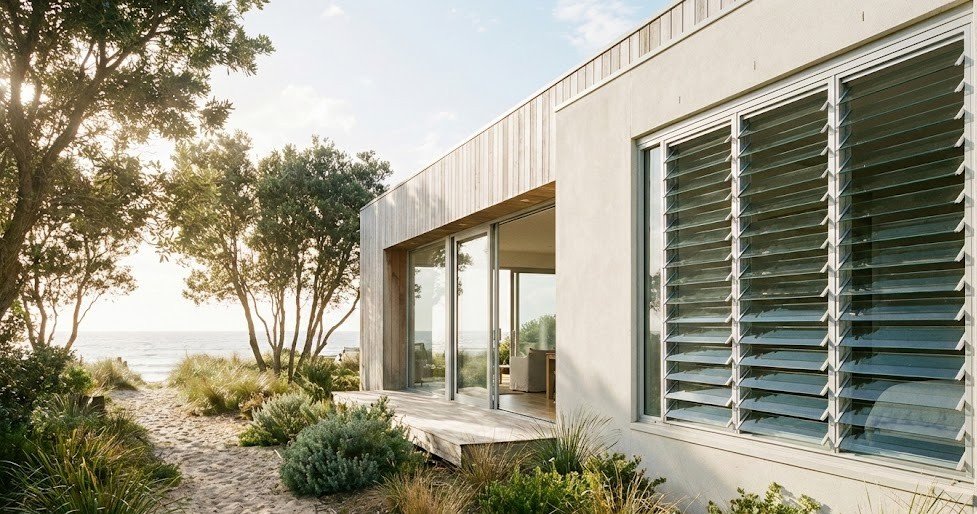
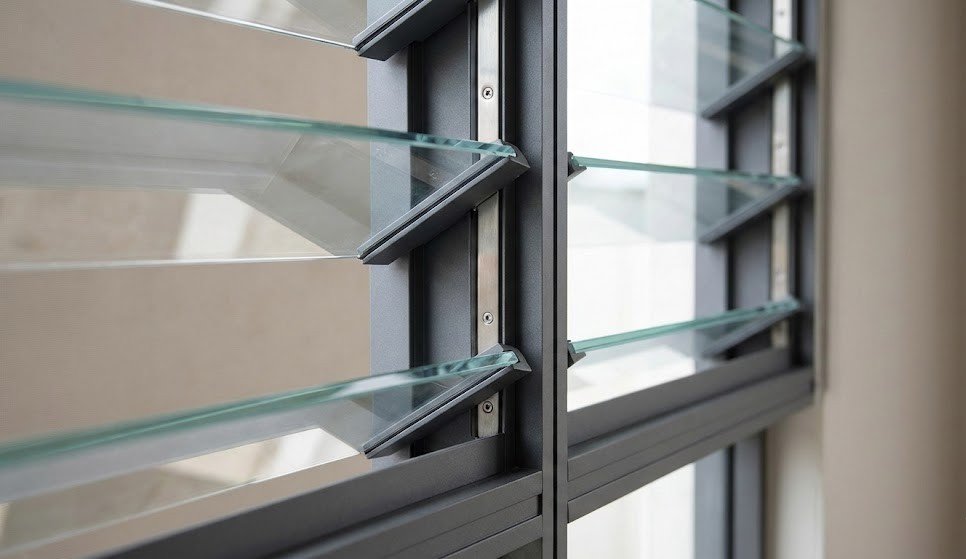
Jalousie windows are a ventilation-focused window system made of adjustable horizontal glass or aluminum louvers. Instead of opening from one side, the entire window works together to regulate airflow, light, and indoor comfort. This makes them especially effective in warm, coastal, and mixed climates.
Across Australia, the UK, and the USA, jalousie windows are increasingly chosen for homes that prioritize fresh air and energy efficiency. When designed and installed correctly, they help reduce heat buildup, improve air circulation, and create more comfortable living spaces without over-reliance on air conditioning.
What Makes Jalousie Windows So Effective for Ventilation?
Jalousie windows differ from traditional window styles because ventilation is built into their design.
Key ventilation advantages include:
- Nearly full-surface airflow when louvers are open
- Adjustable blades that direct air exactly where you need it
- Continuous ventilation even during light rain
- Improved indoor air quality through steady air exchange
From a building-performance perspective, effective natural ventilation can reduce indoor temperatures by 2–4°C in warm climates, supporting passive cooling strategies commonly used in modern residential design.
Ideal Placement for Maximum Airflow
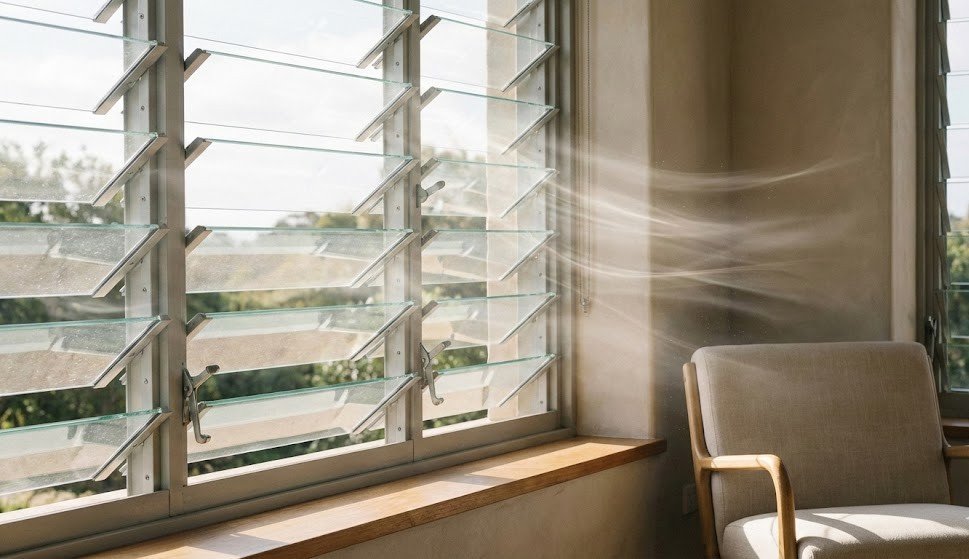
Even the best window system needs proper placement to perform well. Jalousie windows work best when airflow paths are intentionally planned.
Recommended placement strategies:
- Install on opposing walls to encourage cross-ventilation
- Position higher on walls to allow hot air to escape naturally
- Use in kitchens, stairwells, hallways, and living areas
- Combine with shaded outdoor spaces to draw in cooler air
In coastal Australian homes and southern regions of the USA, this placement approach helps maintain steady airflow while limiting heat gain.
Jalousie Windows Compared to Other Window Types
| Feature | Jalousie Windows | Sliding Windows | Casement Windows |
| Airflow potential | Very high | Moderate | High (single direction) |
| Ventilation control | Highly adjustable | Limited | Limited |
| Rain protection when open | Good | Poor | Moderate |
| Passive cooling performance | Excellent | Limited | Moderate |
| Best use climates | Warm / mixed | All climates | Mild climates |
This comparison shows why jalousie windows stand out when ventilation and airflow control are priorities.
Materials That Improve Comfort and Longevity
Material quality plays a major role in long-term comfort and durability.
High-performing jalousie windows typically feature:
- Powder-coated aluminum frames for corrosion resistance
- Toughened or laminated glass louvers for safety
- Precision sealing to reduce air leakage when closed
- Smooth mechanical operators for accurate adjustment
Aluminum frames are especially effective in humid or coastal environments because they resist warping and moisture. Similar durability benefits are seen across modern architectural systems available through products designed for long-term use.
Maintenance and Long-Term Performance
Proper maintenance helps jalousie windows maintain smooth operation and consistent airflow over time.
Simple maintenance practices include:
- Regularly wiping down louvers to prevent dust buildup
- Checking mechanical operators for smooth movement
- Keeping seals clean to preserve airtight closure
- Addressing minor issues early to prevent long-term wear
Routine care ensures long-term performance while extending the lifespan of the window system.
How Jalousie Windows Enhance Year-Round Comfort
Comfort is not only about airflow. It is about adaptability throughout the day and across seasons.
Comfort benefits include:
- Gentle ventilation without strong drafts
- Better humidity control in kitchens and bathrooms
- Diffused natural light without glare
- Continuous fresh air circulation
In cooler climates such as the UK, jalousie windows are often used selectively and paired with insulated glazing elsewhere to maintain thermal balance while still allowing controlled ventilation.
Light Control and Privacy Benefits
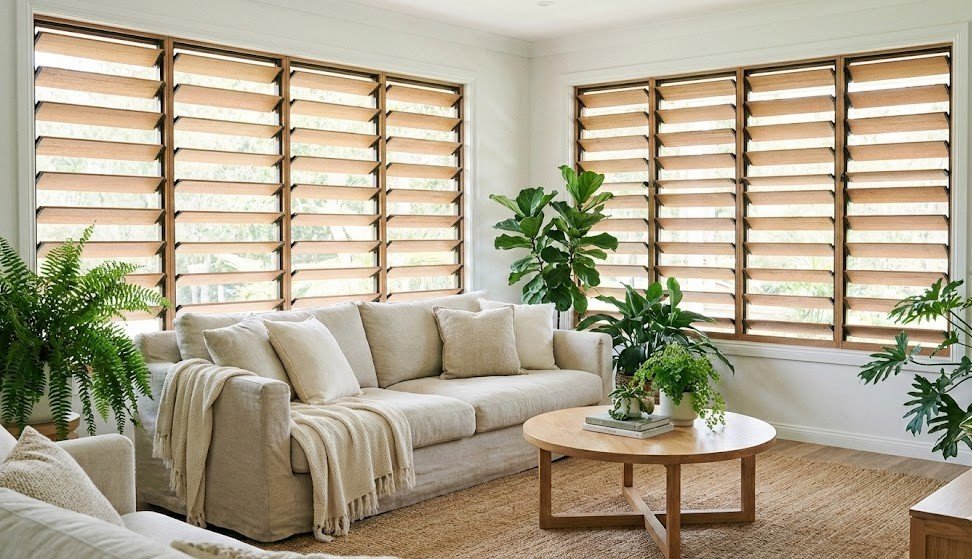
Beyond ventilation, jalousie windows offer precise control over daylight and privacy throughout the day. Adjustable louvers let you welcome natural light without harsh glare, creating brighter interiors while maintaining visual comfort. By angling the blades, you can allow airflow and daylight to enter while limiting direct sightlines from outside, which is especially useful in densely built areas.
This design reduces the need for blinds or curtains during daytime hours and helps maintain more balanced indoor brightness across living spaces. The ability to fine-tune light and privacy at the same time makes jalousie windows particularly valuable for urban homes or properties positioned close to neighboring buildings.
Energy Efficiency and Modern Design Trends
Natural ventilation has become a core element of energy-efficient housing.
Jalousie windows support this approach by:
- Reducing dependence on mechanical cooling
- Lowering indoor heat buildup
- Supporting passive design principles
- Enhancing indoor environmental quality
Maintaining clean louvers and mechanisms is also important for long-term efficiency, especially in kitchens and coastal areas, where regular care helps preserve smooth operation and airflow performance.
How Jalousie Windows Perform in Different Climates
Jalousie windows adapt well to different regional conditions when specified correctly, making them suitable for multiple global markets.
Climate-specific advantages include:
- Australia: Excellent performance in coastal and tropical regions where airflow, salt resistance, and humidity control are essential
- USA: Ideal for southern and coastal states that benefit from passive cooling and cross-ventilation
- UK: Effective during mild seasons and in utility areas where controlled ventilation is preferred
This adaptability makes jalousie windows a practical solution for homes exposed to changing weather patterns and seasonal temperature shifts.
Why Oridow Is the Right Supplier for Jalousie Windows
The performance of a jalousie window system depends on thoughtful engineering, high-quality materials, and consistent manufacturing standards. Oridow brings these elements together by using aluminum profiles designed to perform reliably across varied climates, from coastal environments to mixed-weather regions.
Oridow stands out because:
- Aluminum profiles are engineered for durability across varied climates
- Manufacturing precision ensures smooth louver operation and consistent sealing
- A wide range of Designs suit both residential and commercial applications
- Technical support is available for proper specification and installation
This expertise reflects Oridow’s broader commitment to functional, long-lasting architectural solutions found throughout the Oridow site. For tailored advice or project-specific support, direct assistance is available via the contact page.
Practical Tips to Get the Best Performance
Small habits can significantly improve comfort and longevity.
Best practices include:
- Adjust louvers gradually rather than opening fully at once
- Clean tracks and blades regularly to maintain smooth movement
- Pair windows with ceiling fans to enhance airflow
- Use external shading to limit direct heat gain
When treated as part of a complete ventilation strategy, jalousie windows deliver consistent, long-term comfort.
Frequently Asked Questions About Jalousie Windows
Are jalousie windows suitable for modern homes?
Yes. Contemporary designs use slim aluminum frames and clean lines that integrate well with modern architecture.
Do jalousie windows leak air or water?
Well-manufactured systems with proper installation provide strong sealing and effective drainage compared to older designs.
Are jalousie windows secure?
When fitted with toughened glass and reliable locking mechanisms, they meet residential safety expectations and are often paired with other window types for balanced security.
Where are jalousie windows most commonly used?
They are widely used in kitchens, bathrooms, stairwells, and living areas, especially in Australia, the southern USA, and select UK applications.


