

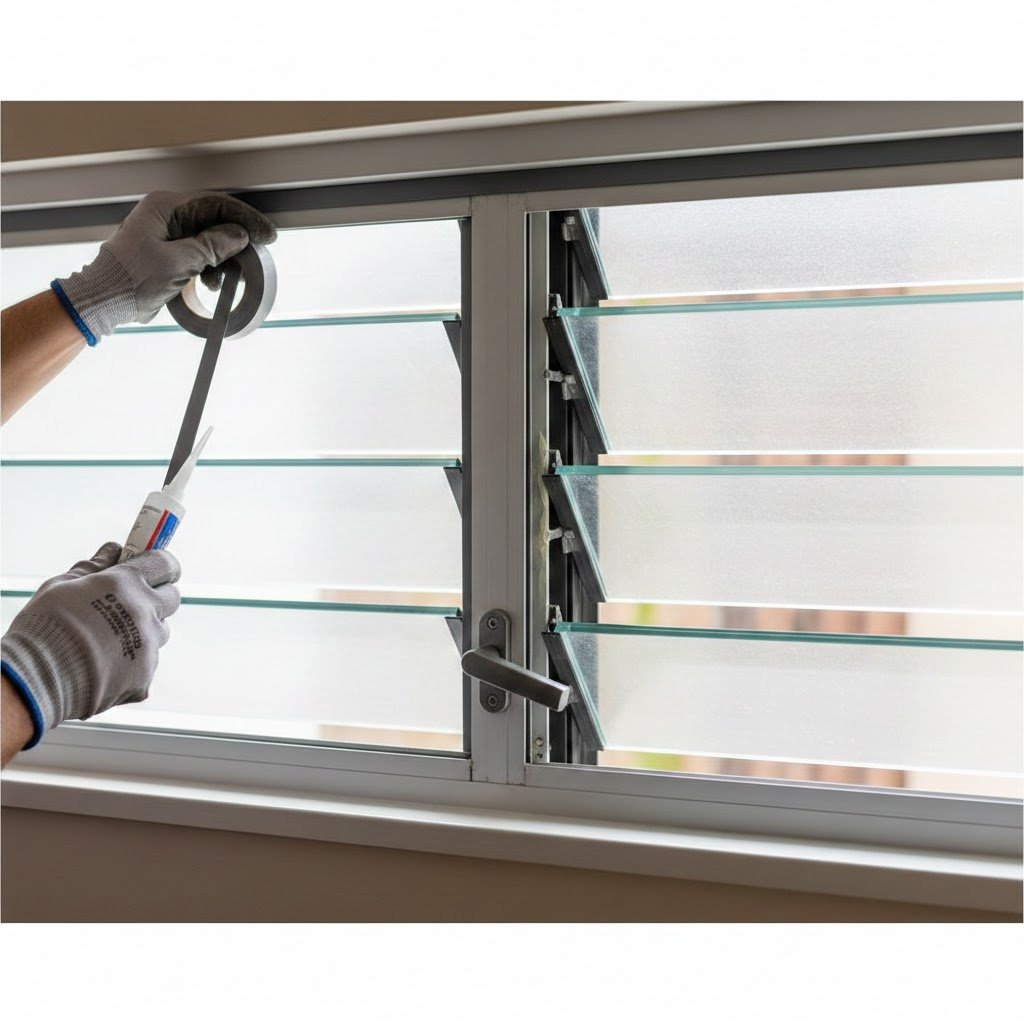
Jalousie windows are engineered for ventilation, but their layered glass construction can create natural air gaps over time. While they remain a popular choice in tropical climates, sealing performance directly affects energy efficiency, comfort, and durability.
Small openings may not seem urgent, yet they can allow moisture intrusion, dust buildup, and increased cooling costs. Addressing these gaps properly protects both your interior space and the structural integrity of the window system.
For homeowners comparing ventilation-focused designs with sliding configurations, understanding how jalousie systems differ from aluminium sliding systems clarifies where airflow and sealing priorities vary.
Key Takeaways
- Install vinyl slat seals to eliminate drafts between glass louvers and restore compression when closed.
- Apply exterior-grade caulk to seal perimeter gaps between the window frame and wall.
- Use weather stripping to improve closure compression and reduce minor air leakage.
- Repair and lubricate hardware to ensure louvers align properly and close tightly.
Why Jalousie Windows Develop Gaps
Jalousie windows rely on multiple moving slats. Movement, exposure, and time gradually affect how tightly those slats seal.
Structural Causes
- Aging vinyl slat edges
- Cracked exterior perimeter sealant
- Loose installation screws
- Frame shifting from building settlement
- Corroded mechanical operators
Environmental Contributors
- Continuous UV exposure
- Humidity and coastal air
- Heavy rainfall pressure
- Seasonal temperature changes
Understanding these factors is essential when evaluating long-term durability in modern louvered designs installed in tropical environments.
Step 1: Install Vinyl Slat Seals (Between Glass Panels)
Why This Matters
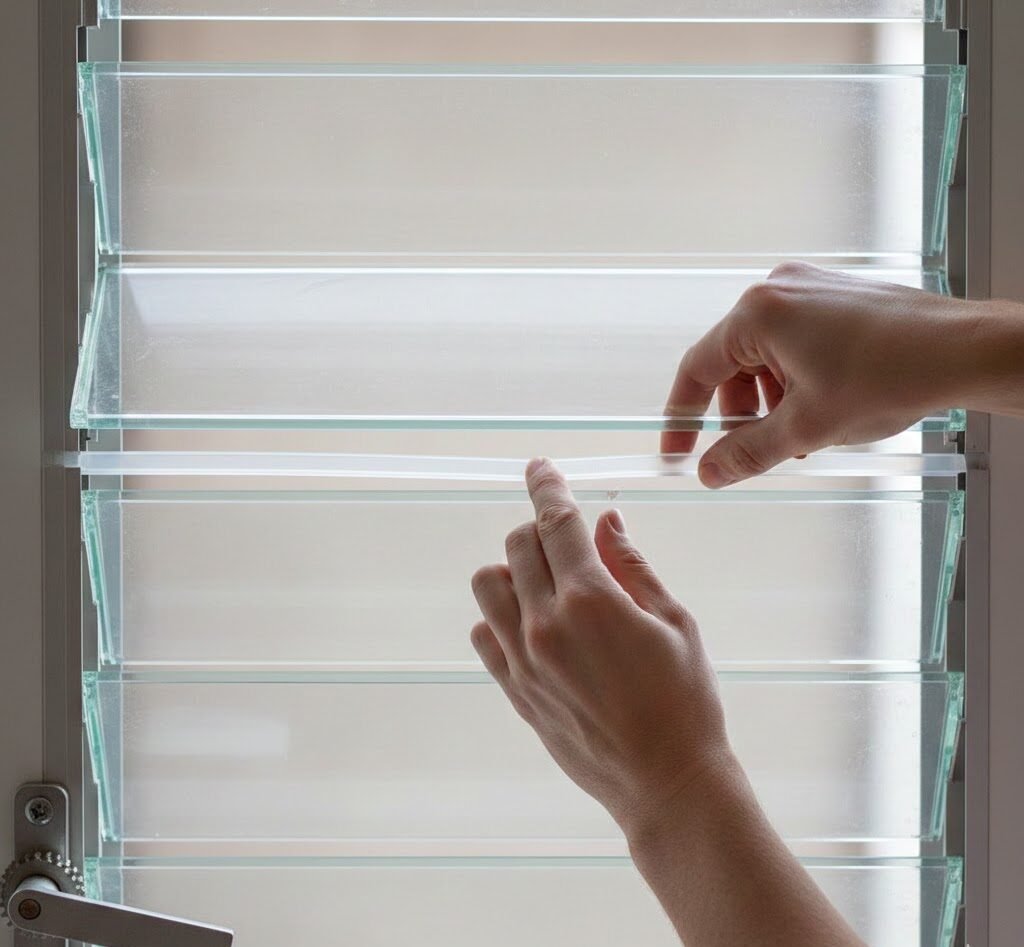
The most common draft source occurs between individual glass slats. When original edge seals shrink or harden, compression weakens. Installing vinyl slat seals restores the contact point between blades.
Benefits
- Reduces airflow penetration
- Improves insulation efficiency
- Minimizes rattling during wind
- Preserves ventilation functionality
Installation Steps
- Remove each slat carefully.
- Clean edges thoroughly.
- Measure and attach clear vinyl strip.
- Reinstall and test compression.
Proper sealing supports the balanced airflow advantages often associated with jalousie window performance in humid climates.
Step 2: Seal the Window Frame with Exterior-Grade Caulk
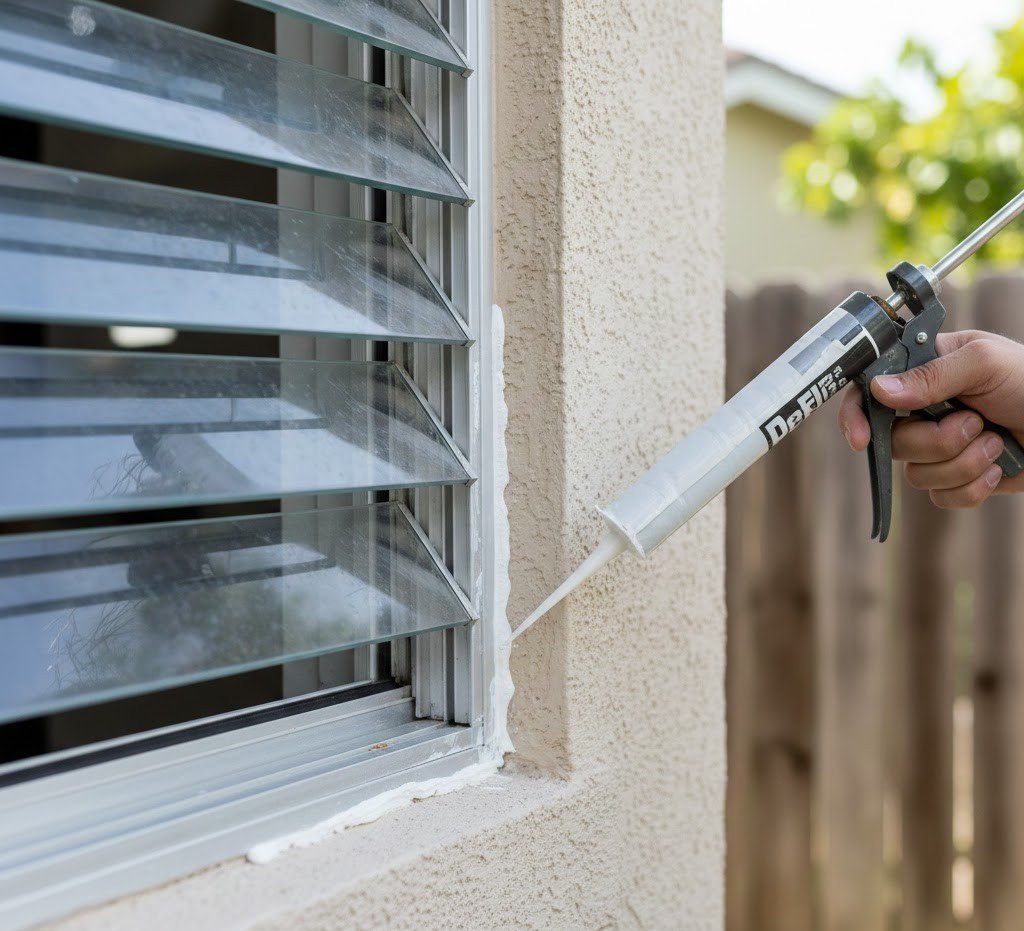
Even if slats seal properly, perimeter gaps can allow outside air and water to bypass the entire system.
When to Reseal the Frame
- Visible cracking around edges
- Water marks near interior trim
- Noticeable drafts along the wall
Proper Application
- Remove deteriorated sealant fully
- Clean surface of dust and debris
- Apply flexible exterior-grade caulk
- Smooth evenly for airtight contact
- Allow full curing time
A well-sealed frame is particularly important in coastal or high-humidity regions.
Step 3: Improve Closure with Weather Stripping
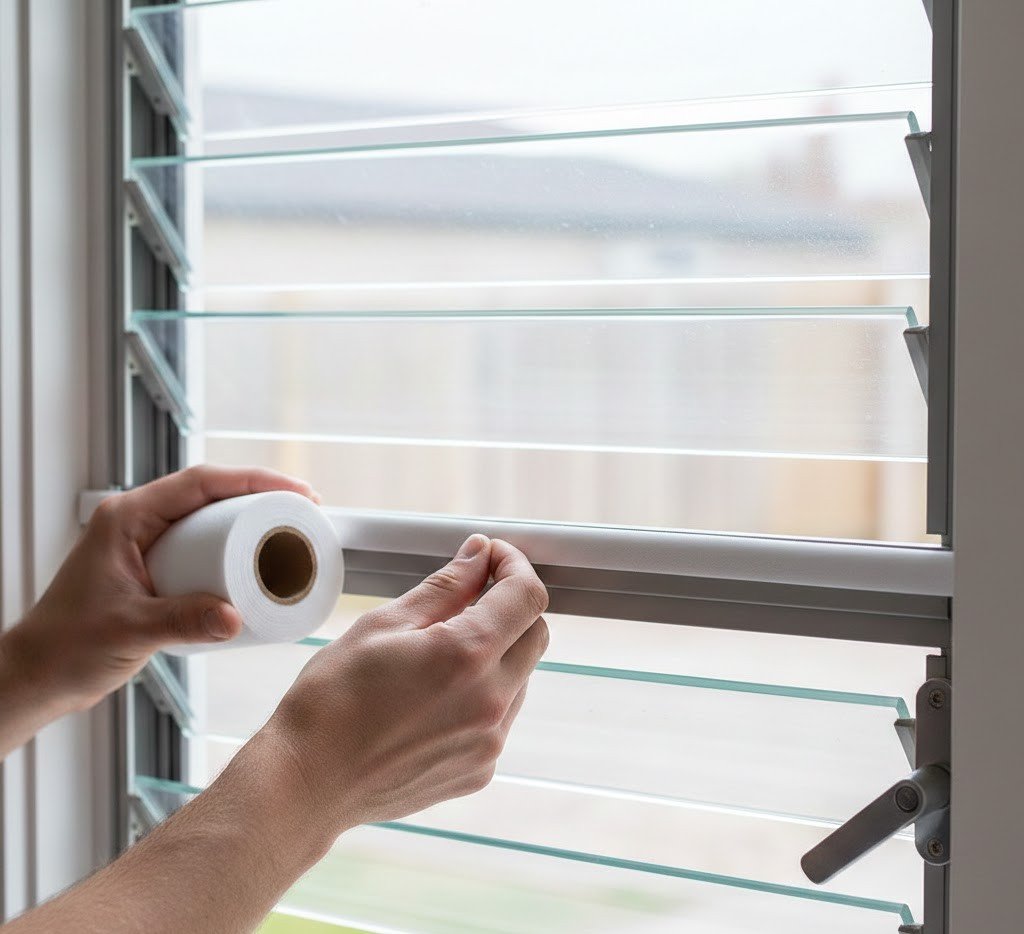
Weather stripping enhances compression where the frame meets the closing edge.
Recommended Materials
- EPDM rubber strips
- Closed-cell foam tape
- Adhesive-backed compression seals
Installation Overview
- Measure contact zones precisely.
- Cut stripping evenly.
- Apply without stretching.
- Close window to test pressure.
Maintaining clean contact surfaces improves seal effectiveness, especially when routine care follows a consistent window cleaning routine.
Step 4: Address Large Structural Gaps with Trim
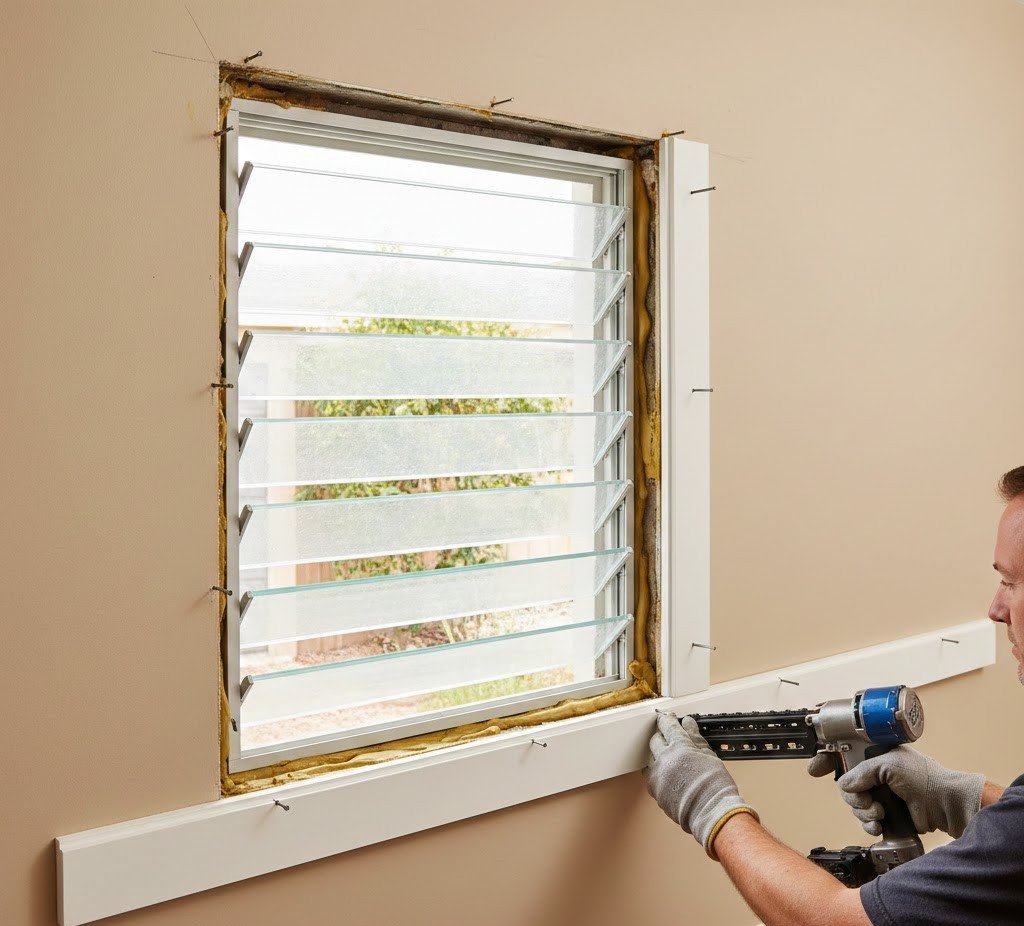
Wide gaps between the window unit and surrounding structure require more than sealant alone.
Why Trim Solutions Work
Sealant can shrink or crack in large openings. Cloaking trims provide physical coverage and reinforce sealing integrity.
Installation Process
- Measure the perimeter accurately
- Cut trim pieces evenly
- Secure with appropriate fasteners
- Seal edges for waterproofing
This approach is especially beneficial in renovation or replacement scenarios.
Step 5: Repair the Operating Mechanism
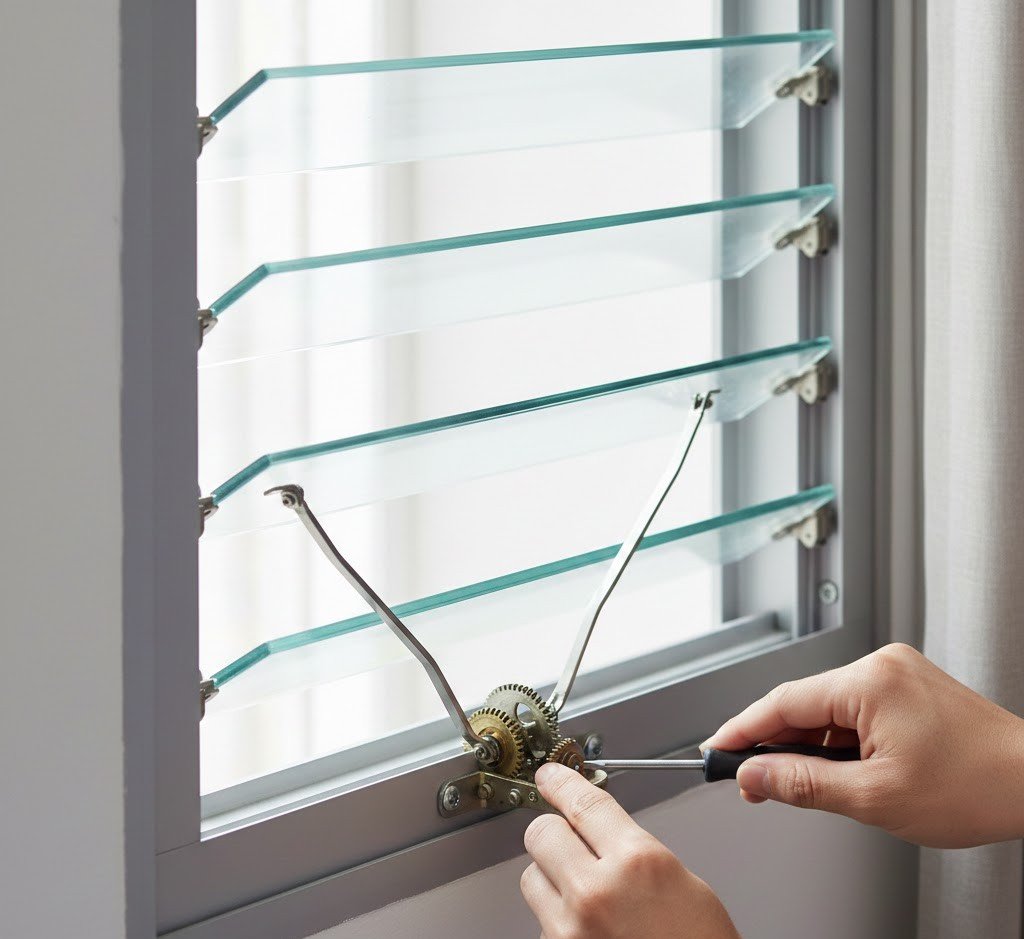
Sometimes gaps appear because the slats are not closing flush.
Signs of Mechanical Issues
- Uneven blade alignment
- Resistance while cranking
- Visible rust on pivot points
- Loose or missing screws
Maintenance Steps
- Apply lubricant to hinges and arms
- Operate window repeatedly
- Tighten loose fasteners
- Replace worn operators if needed
For property owners assessing upgrade options, reviewing available configurations in the local Philippine market can provide insight into updated sealing improvements.
Choosing the Right Solution
| Solution | Targets | Installation Level | Cost | Longevity | Best For |
| Vinyl Slat Seals | Gaps between slats | Moderate | Low | Long-term | Drafts between glass |
| Exterior Caulk | Frame perimeter | Easy | Low | Long-term | Air or water around frame |
| Weather Stripping | Contact edges | Easy | Low | Medium | Minor drafts |
| Cloaking Trim | Large structural gaps | Moderate | Medium | Long-term | Visible wide gaps |
| Hardware Repair | Misalignment | Easy | Low | Medium | Slats not fully closing |
Preventative Maintenance Strategy
Consistent inspection prevents small gaps from becoming larger structural issues.
Annual Checklist
- Check vinyl flexibility
- Inspect perimeter sealant
- Test closure pressure
- Examine screws and brackets
- Lubricate moving components
Seasonal Care
- Remove debris buildup
- Inspect after heavy storms
- Clean slats regularly
- Monitor seal compression
Final Assessment
Closing gaps in jalousie windows requires a layered strategy. Slat seals address airflow between glass panels. Frame caulking blocks perimeter leaks. Weather stripping enhances compression. Trim solutions manage structural gaps. Hardware maintenance ensures everything closes securely.
When each component functions together, jalousie windows retain their ventilation advantages without compromising insulation or comfort. Proper sealing strengthens performance, extends lifespan, and maintains structural integrity over time.
Frequently Asked Questions
How do you stop drafts in jalousie windows?
Install vinyl slat seals, apply exterior caulk around the frame, and use compression weather stripping to improve closure.
Can jalousie windows be energy efficient?
Yes. When properly sealed and maintained, they can balance airflow and insulation performance effectively.
Why won’t my jalousie window close tightly?
Common causes include rusted pivot points, loose screws, or worn operators that prevent full slat alignment.


