

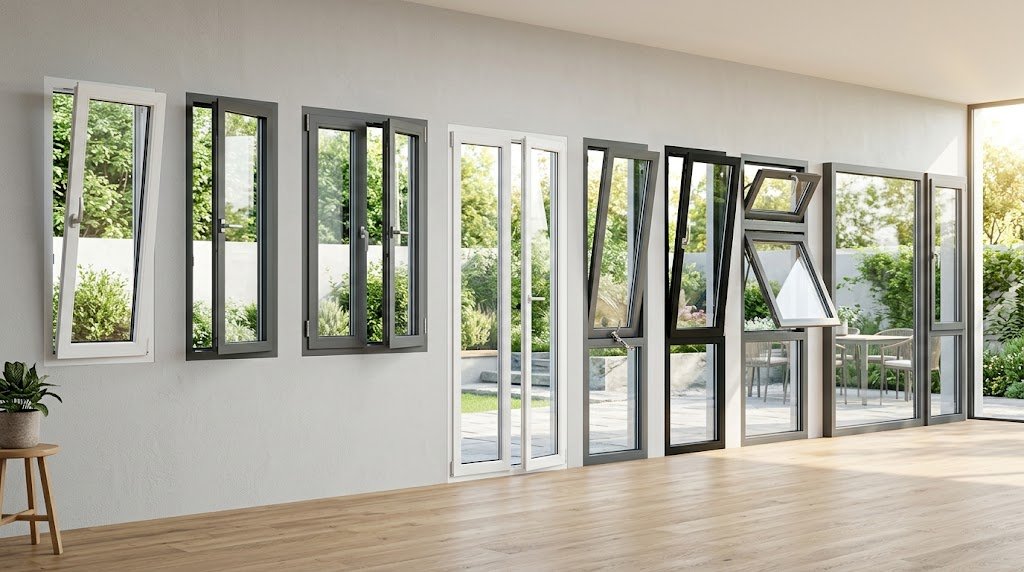
Casement windows are a popular choice for homeowners who want better ventilation, clear outdoor views, secure operation, and flexible design options. Hinged at the side or top and opened using a handle or crank, they can suit everything from compact bedrooms and kitchens to large modern living spaces.
But not all casement windows work the same way. Single, double, French, push-out, crank-out, and top-hung designs each offer different benefits depending on your room, opening size, climate, and architectural style.
In this guide, we’ll explain the main types of casement windows, how each style works, their benefits, materials, maintenance needs, and what to consider before choosing the right option for your home or project.
What Is a Casement Window?
What types of casement windows can you provide? Casement windows are gaining popularity among homeowners, and this is the most popular question they may ask when they visit the window store.
What is a casement window and how many types are there? Let’s find out in this blog.
A casement window is a conventional type of window, mounted on hinges and opens outwards or inwards in a new construction. Some owners, though, prefer the crank on the outside to open the window on the other side. You just need to turn the handle to have it opened.
What Exactly Are Casement Windows and Doors?
Casement windows include a crank that allows the operator to open and shut the window on a hinge. The crank can completely open the window or seal it very securely, providing great control over the amount of ventilation.
The direction in which casement windows are built may be horizontal or vertical, depending on the homeowner’s desire. The function of vertical windows is more akin to that of awning windows that can be extended upward and outward.
When closed, casement windows that have been fitted correctly will create a tight seal, preventing the weather outside from impacting the temperature within the property. Consequently, they are one of the most cost-effective and energy-efficient options that can be used in a residential setting (just like an awning window).
Due to their great engineering quality and innovative design, casement windows are one of the most popular alternatives for homeowners when replacing their windows.
They are a breeze to install, are adaptable to any architectural style, and are a wonderful way to boost the aesthetic value of a property. They are versatile and may be used to accentuate various architectural styles, leaving your visitors in awe.
Quick Comparison of Casement Window Types
Casement windows come in several designs, and each works best for a different type of opening, room, or architectural style.
Use this quick comparison to narrow down your options:
| Casement Window Type | How It Opens | Best For | Main Benefit |
|---|---|---|---|
| Single Casement | One sash hinged on one side | Bedrooms, kitchens, smaller openings | Simple, practical, and easy to operate |
| Double Casement | Two sashes open from the sides | Living rooms and wider openings | More ventilation and a broader opening |
| French Casement | Two sashes open from the center, often without a fixed center post | Traditional and premium residential designs | Wide, unobstructed views when open |
| Push-Out Casement | Opens manually using a handle | Classic or luxury-style homes | Clean appearance without a crank mechanism |
| Crank-Out Casement | Opens with a crank handle | Kitchens, bedrooms, everyday residential use | Controlled and convenient operation |
| Top-Hung Casement | Hinged at the top and opens outward from the bottom | Bathrooms and ventilation-focused areas | Helps provide airflow while offering some rain protection |
| Bottom-Hung Casement | Hinged at the bottom and opens inward or outward from the top | Specialized ventilation applications | Controlled ventilation from the upper part of the opening |
| Combination Casement | Combines fixed and operable sections | Large openings and architectural projects | Balances ventilation with wider glass areas |
The best option depends on your opening size, ventilation needs, available clearance, climate, and preferred design.
Types of Casement Windows by Style (French, Double, Single, Push-Out — absorb redirected content)
Several types of casement windows are available in the market. Here are some popular types with their benefits:
Push Out Casement Windows
As a new type, push out casement windows are available in both single and double styles. Instead of the crank, the user operates them through a handle. These windows are becoming increasingly popular among homeowners due to their innovative design and customization options.
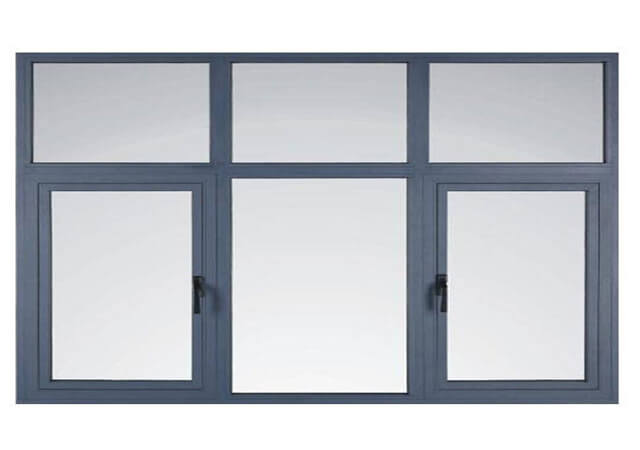
Crank Out Casement Windows
A crank out is a casement that uses a crank to open and close. The design is similar to a conventional casement window, but it’s the way that the window is opened and shut that makes the difference.
- Crank mechanism: A crank out casement has a handle that is usually found at the bottom of the frame. The crank handle activates the gearing system which opens or closes your window sash.
- Outward opening: A crank-out casement window, like all other casement windows opens outwards, pivoting at hinges on the frame of one side. The sash will open when you turn the crank handle one way, but it will close if you turn the crank handle the other direction.
- Secure Close: When shut, crank-out casement windows create a tight seal that keeps out moisture and drafts. The sash is pressed against the frame of the window, creating a tighter seal when the handle is in the closed position.
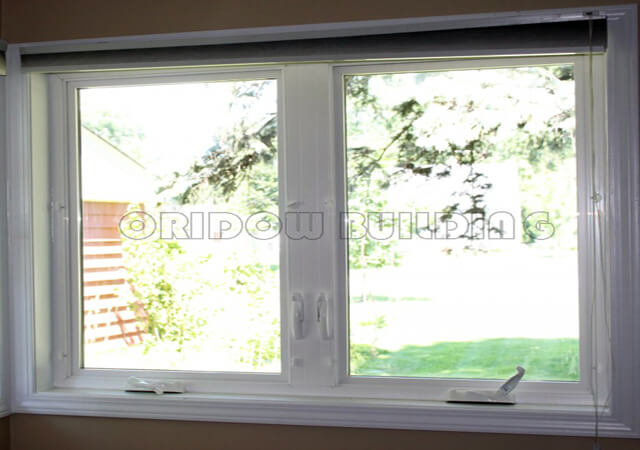
Single Casement Windows
Perhaps the most popular of all types, the evergreen single frame casement windows still remain popular. These windows boast a simple yet elegant look and are remarkably easy to operate and maintain.
A single window frame comprises glass panels (lights) housed within a single frame. Aluminum strips separate these lights. As a user, you can opt to have your casement window open outwards or inwards (which you cannot do with a picture window).
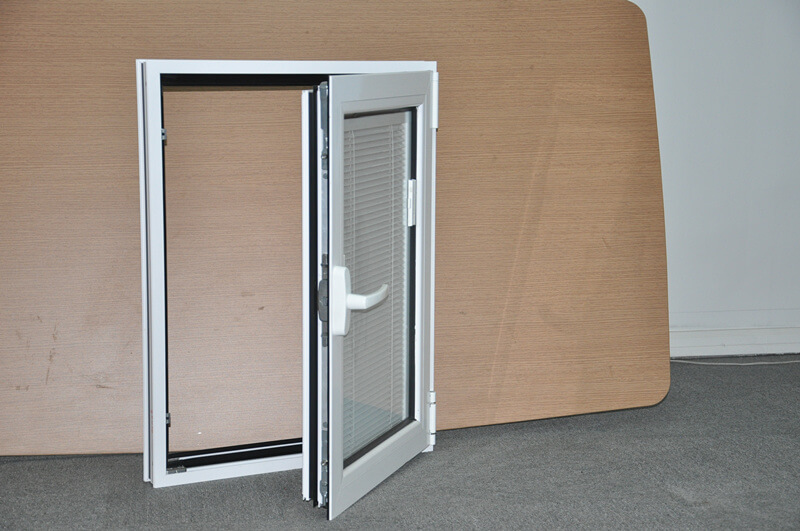
Double Casement Windows
As the name suggests, double casement windows are made of two or more windows hinged together from the sides. Both window panels swing outwards and join in the middle for closure.
Since these consist of two panels, they cost a little more than their single panel counterparts. However, they are equally reliable and maintenance-friendly as a window replacement, so you can save money in the long term with these windows.

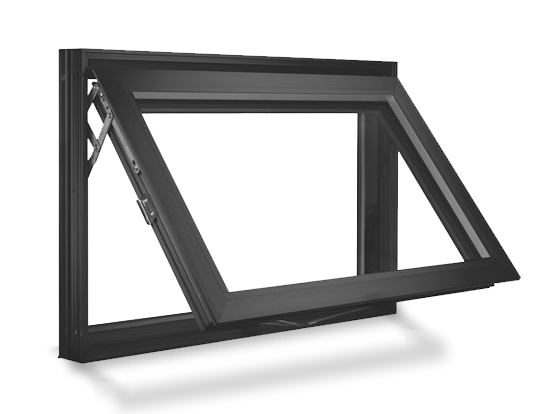
Top Hung Casement Window
This type of casement window hinges at the top, and opens from the bottom. Top-hung windows can be used for a variety of architectural styles. When used in this configuration, they are known as awning or sash windows.
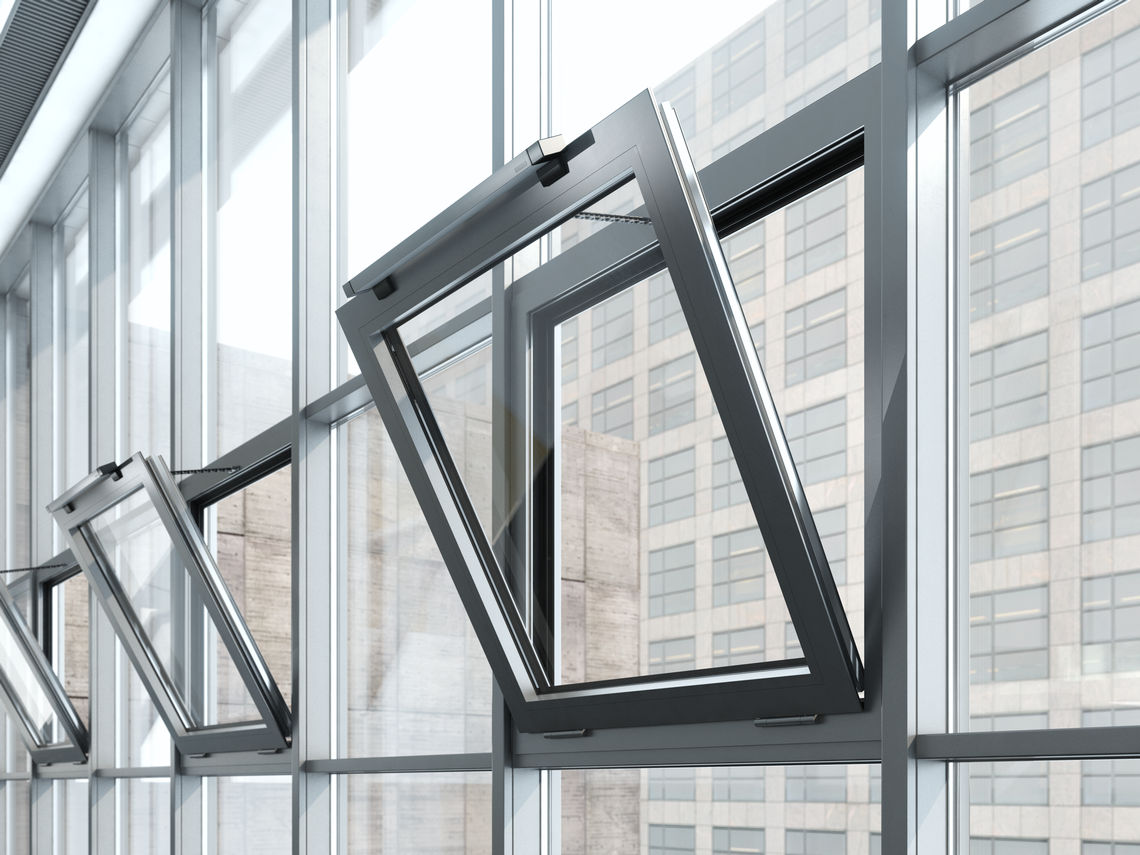
Bottom Hung Casement Windows
These windows have hinges at the bottom, and they open upwards from the top. These windows are not as common, but they can be used for specific architectural needs or ventilation requirements. For louvered, slat-style ventilation, see our jalousie windows range.
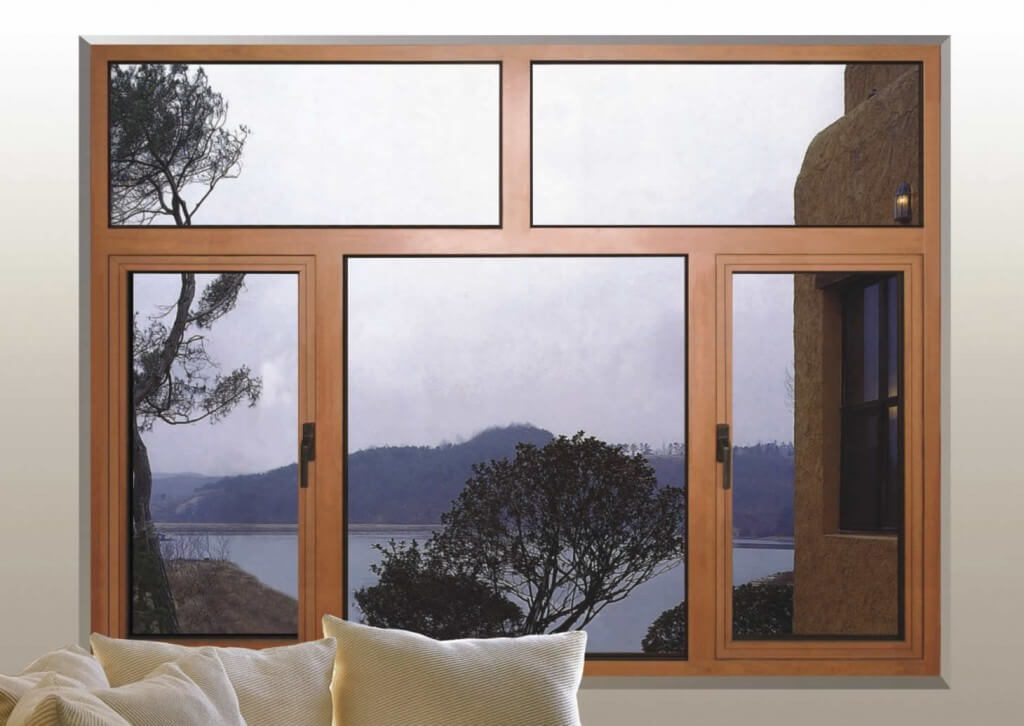
Combination Window
Certain casement windows combine multiple types in one frame. A combination casement may, for example, have a fixed panel on one side, and a single or double casement, on the other. This allows both ventilation and clear views.
Benefits of Casement Windows
Casement windows remain popular because they combine practical operation with strong ventilation and a clean architectural appearance.
Excellent Ventilation
Because the sash can open wide, casement windows allow a large amount of fresh air into the room.
Side-hinged designs can also help catch passing breezes and direct airflow indoors.
Wide, Clear Views
Casement windows typically have fewer horizontal or vertical frame divisions than some other window styles.
This creates a cleaner view and allows more natural light into the room.
Tight Weather Sealing
When properly closed, the sash presses firmly against the frame and seals.
With quality gaskets, glazing, and installation, this can help reduce:
- Drafts
- Air leakage
- Water infiltration
- Outdoor noise
Easy Operation
Crank-out models are particularly convenient where the window is difficult to reach directly.
For example, a casement window above a kitchen counter can often be opened more easily with a crank than a traditional sliding sash.
Flexible Design Options
Casement windows can be customized in many ways, including:
- Single or double configurations
- Inward or outward opening
- Aluminum or uPVC frames
- Different glass types
- Custom colors and finishes
- Fixed and operable combinations
This flexibility makes them suitable for both traditional and modern architecture.
Strong Security Options
Casement windows can be equipped with multi-point locks, locking handles, reinforced frames, and laminated glazing.
Because the sash closes tightly into the frame, a well-designed system can provide strong resistance against forced opening.
Good Energy-Efficiency Potential
Casement windows can perform very well when combined with:
- Double or triple glazing
- Low-E glass
- Thermally broken aluminum frames
- Insulated uPVC profiles
- Quality weather seals
Actual energy performance depends on the entire window system, not only the opening style.
Where in the House Are Casement Windows Often Installed?
Casement windows easily fit the interior design of the house, similar to other types of installations (like french casement windows or double hung windows).
A common practice among homeowners is to install them on higher walls so that a breeze may enter the house from the upper levels. Regarding the latter, rods have often been purposely created to assist users in reaching the crank.
Casement windows may be found in the homes of many homeowners, and these windows can be found in a variety of areas, including corridors, bedrooms, kitchens, baths, and basements.
These windows are excellent for installation in every part of the house because of the endless number of styles (such as a single or a double hung window) from which to choose.
How to Choose the Right Casement Window
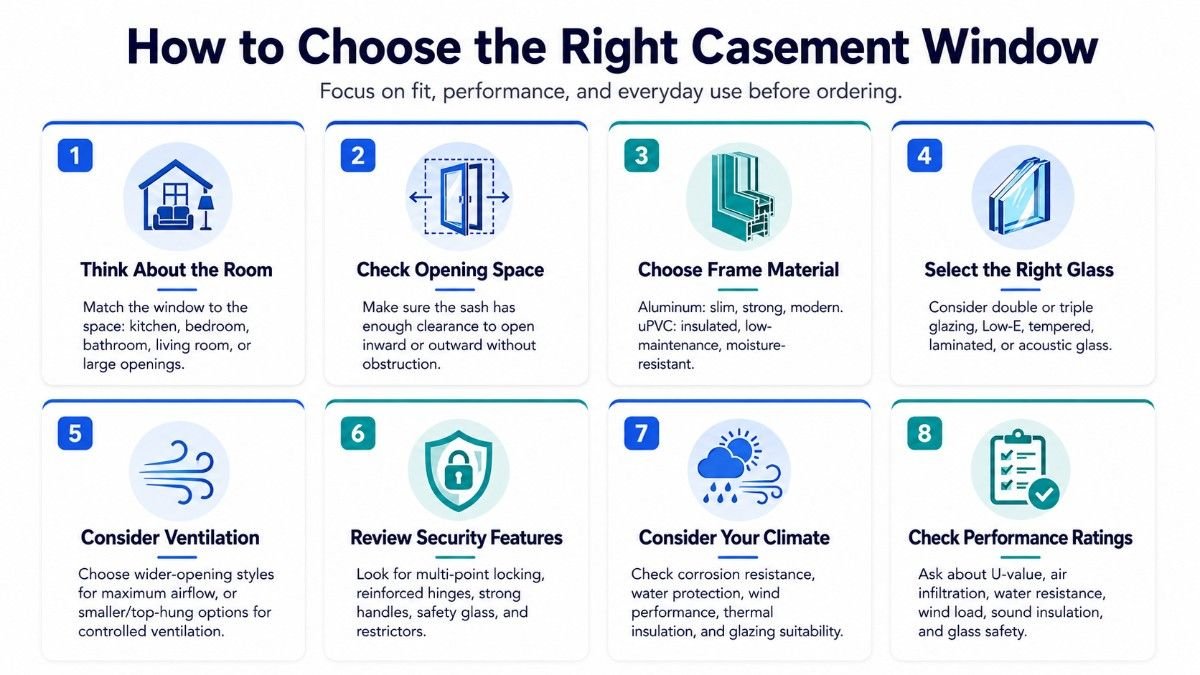
Choosing the right casement window is about more than selecting a style you like. The window should also suit the room, climate, opening size, and performance requirements.
Consider these factors before ordering.
1. Think About the Room
Start with where the window will be installed.
For example:
- Kitchen: Crank-out casement windows can be convenient above counters.
- Bedroom: Single or double casements provide strong ventilation.
- Bathroom: Smaller or top-hung designs can help balance airflow and privacy.
- Living room: French or double casements work well for wider views.
- Large architectural openings: Combination systems can provide both fixed glass and ventilation.
2. Check Available Opening Space
Casement windows need clearance in the direction they open.
For outward-opening windows, check for:
- Walkways
- Balconies
- Plants
- Exterior walls
- Outdoor furniture
For inward-opening designs, consider curtains, blinds, furniture, and usable floor space.
3. Choose the Right Frame Material
The frame affects durability, insulation, maintenance, and appearance.
Aluminum casement windows are popular for slim profiles, strength, large openings, and modern architecture.
uPVC casement windows are known for thermal insulation, low maintenance, and resistance to moisture.
Choose according to your climate, project requirements, and design preferences.
4. Select the Right Glass
Glazing can significantly affect comfort and performance.
Depending on your project, consider:
- Double glazing
- Triple glazing
- Low-E glass
- Tempered safety glass
- Laminated glass
- Acoustic glazing
For hot, cold, noisy, or exposed locations, the right glazing can be just as important as the frame.
5. Consider Ventilation Needs
If maximum airflow is important, single, double, or French casement windows can provide wide openings.
For more controlled ventilation, a smaller casement or top-hung design may be more suitable.
6. Review Security Features
Look for features such as:
- Multi-point locking
- Strong locking handles
- Reinforced hinges
- Laminated safety glass
- Opening restrictors where required
This is especially important for ground-floor windows and easily accessible locations.
7. Consider Your Climate
In coastal, high-wind, humid, or very hot environments, ask about:
- Corrosion-resistant hardware
- Frame finish
- Water resistance
- Wind-pressure performance
- Thermal insulation
- Suitable glazing
A window that works well in a mild inland climate may need different specifications for a coastal or high-rise project.
8. Check Performance Ratings
For larger or performance-focused projects, ask the manufacturer about:
- U-value
- Air infiltration
- Water resistance
- Wind-load performance
- Sound insulation
- Glass safety requirements
These measurements provide a clearer picture of how the window will perform than appearance alone.
Maintenance Tips for Casement Windows
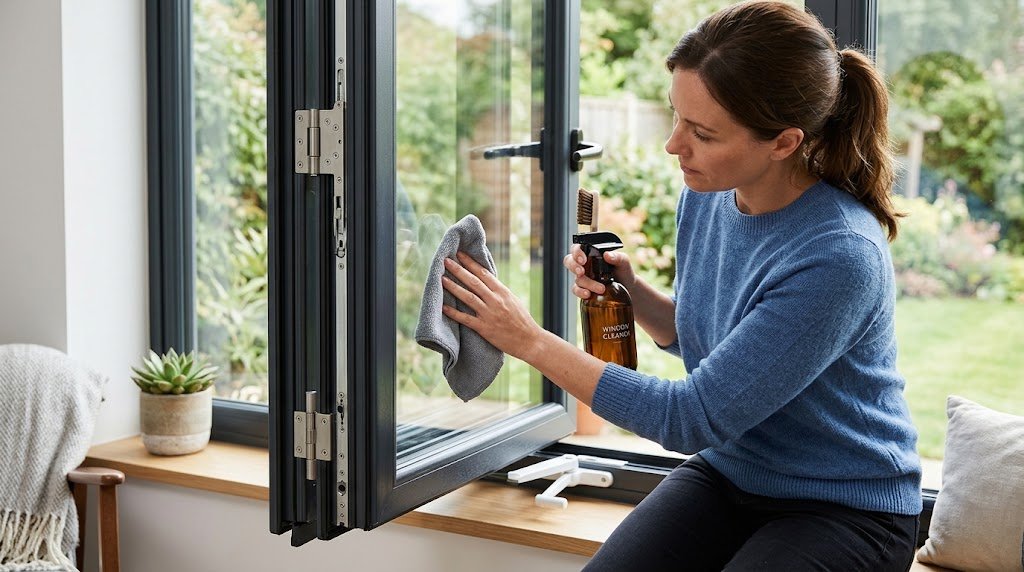
Regular maintenance helps casement windows open smoothly, seal correctly, and last longer.
Most care is simple and only needs to be done periodically.
Keep the Frame and Glass Clean
Clean the frame using mild soap, water, and a soft cloth.
Avoid harsh abrasive cleaners that may damage powder-coated aluminum, uPVC finishes, seals, or hardware.
Clean Hinges and Moving Parts
Dust and debris can collect around hinges, crank mechanisms, and locking points.
Wipe these areas regularly so dirt does not interfere with movement.
Lubricate Hardware When Needed
Hinges, crank mechanisms, and locking hardware may need occasional lubrication.
Use a lubricant recommended by the window manufacturer rather than applying heavy grease or unsuitable household oils.
Inspect Weather Seals
Check gaskets and seals for:
- Cracks
- Hardening
- Gaps
- Loose sections
Damaged seals can reduce weather resistance and energy efficiency.
Check the Crank Mechanism
For crank-out casement windows, make sure the handle turns smoothly and the sash closes fully.
If the crank becomes difficult to operate, avoid forcing it. The mechanism may need adjustment or servicing.
Inspect Locks and Handles
Locks should engage smoothly and hold the sash firmly against the frame.
Loose handles or misaligned locking points should be adjusted before they cause further wear.
Keep Drainage Openings Clear
Some casement window systems include drainage channels or weep holes.
Keep these areas free from dirt, leaves, and debris so rainwater can drain properly.
Check Sash Alignment
If the sash begins rubbing against the frame or becomes difficult to close, the hinges or hardware may require adjustment.
Addressing alignment problems early can prevent unnecessary strain on locks, seals, and operating hardware.
Schedule Periodic Inspections
For large windows, commercial projects, coastal properties, or heavily used systems, periodic professional inspection can help identify wear before it becomes a larger problem.
With proper cleaning, hardware care, and regular checks, quality casement windows can continue operating smoothly and maintaining their appearance for many years.
Concluding Thoughts
It’s important to inform homeowners about the different types of casement windows and help them select one that fits their architectural style and budget. Also, energy efficiency and materials (wood, vinyl aluminum) should be considered. To ensure that the customer is well informed, it’s important to discuss options such as energy efficiency and materials (wood, vinyl, aluminum).
Are you ready to bring your project to the highest level of success with our casement windows? Oridow can help you with your project. Contact us today to learn more about our casement windows, receive a quote and see the difference that we make in terms of quality and service. We look forward to working with you to make your vision a reality.
Frequently Asked Questions
1. Which type of casement window is best for a home?
The best option depends on the room, opening size, climate, and ventilation needs. Single casement windows work well for smaller openings, while double or French casement windows are better for wider openings and more airflow.
2. Are aluminum or uPVC casement windows better?
Both are good options, but they suit different priorities. Aluminum is strong, slim, and ideal for modern designs and larger openings. uPVC offers strong insulation, low maintenance, and good resistance to moisture.
3. Are casement windows energy efficient?
They can be very energy efficient when fitted with quality seals, insulated frames, and double or triple glazing. For better performance, compare U-values, glazing type, and air-leakage ratings before buying.
4. What security features should I look for in casement windows?
Look for multi-point locking, strong hinges, locking handles, reinforced frames, and laminated safety glass where extra security is needed. Ground-floor windows may also benefit from opening restrictors.
5. What should I check before ordering casement windows?
Confirm the opening size, inward or outward opening direction, frame material, glazing, ventilation needs, security features, climate exposure, and warranty. For larger projects, also ask for wind, water, and thermal performance ratings.


