

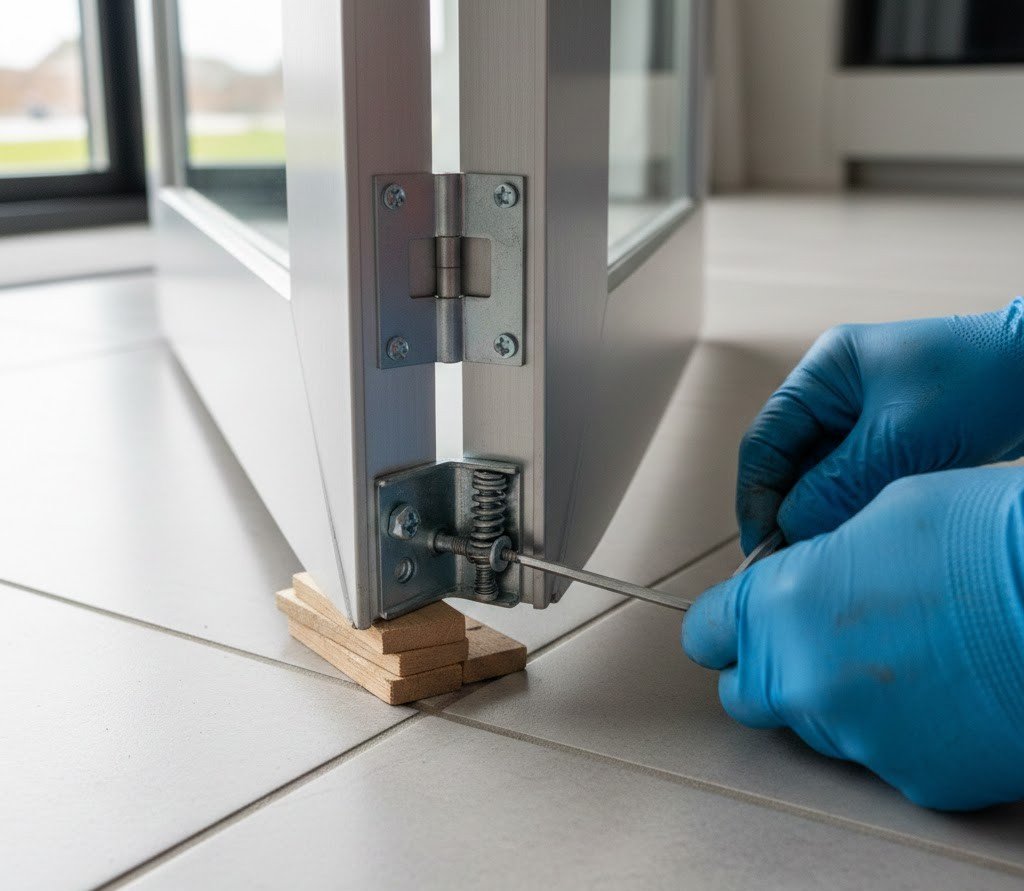
When an aluminum bifold door starts sagging, scraping the floor, or refusing to close correctly, the bottom pivot is almost always part of the problem. This small hardware component carries real structural load, and even slight wear or misalignment can affect the entire door system, especially in modern aluminium bifold door systems where tight tolerances are expected.
This guide explains how aluminum bifold door bottom pivots work, why they fail, and how to adjust, repair, or replace them correctly using the same logic a professional door technician would follow.
Understanding Aluminum Bifold Door Bottom Pivots

What a Bottom Pivot Does
The bottom pivot is the rotating support point at the base of the pivot-side door panel. Its job is to:
- Support a large portion of the door’s vertical weight
- Allow the panel to rotate smoothly during opening and closing
- Maintain door height, plumb, and floor clearance
In aluminum bifold doors, the pivot is usually made of hardened steel, while the surrounding frame is aluminum. This material pairing is one reason aluminum performs better than alternative materials when comparing aluminium versus uPVC door constructions.
How Aluminum Bifold Doors Are Supported
Aluminum bifold doors rely on shared load distribution rather than a single support point. The bottom pivot absorbs vertical load, while the top pivot or roller stabilizes movement and alignment. Hinges and track systems manage folding and travel, and all components must work together to maintain balance.
When installation shortcuts compromise alignment during proper door installation, stress concentrates at the bottom pivot, often leading to premature wear.
Bottom Pivot Systems vs Top-Hung Systems
Bottom pivot–supported systems are common in residential applications and some commercial folding doors where floor-supported loads are acceptable. In these designs, the bottom pivot is structurally critical.
Top-hung systems transfer most of the load into the header and track, leaving the bottom pivot primarily responsible for guidance. Misidentifying the system can lead to ineffective repairs.
Common Aluminum Bifold Door Bottom Pivot Problems
Door Sagging or Dragging on the Floor
Sagging usually occurs when the pivot height adjustment backs off or when wear develops at the pivot pin. Seasonal expansion, floor movement, and repeated use all contribute, even in doors designed with thermal movement resistance.
A few millimeters of height loss is enough to cause visible scraping on hard flooring.
Bent or Broken Pivot Pin
A bent pivot pin almost always signals overload. This can happen when users lean on open panels or when doors are heavier than the pivot was rated to support. Once bent, replacement is the only safe solution.
Pivot Bracket Pulling Out of the Frame
Aluminum frames can deform around fasteners if screws loosen or are over-tightened. Over time, vibration and repeated door movement can cause mounting holes to enlarge, particularly in high-use environments where low-maintenance door hardware becomes a priority.
Door Not Closing or Staying Aligned
If a bifold door refuses to stay closed or panels don’t align evenly, lateral misalignment at the bottom pivot is often the cause. This issue is more pronounced in bifold versus sliding door systems because folding panels amplify small alignment errors.
Tools, Materials, and Safety Equipment
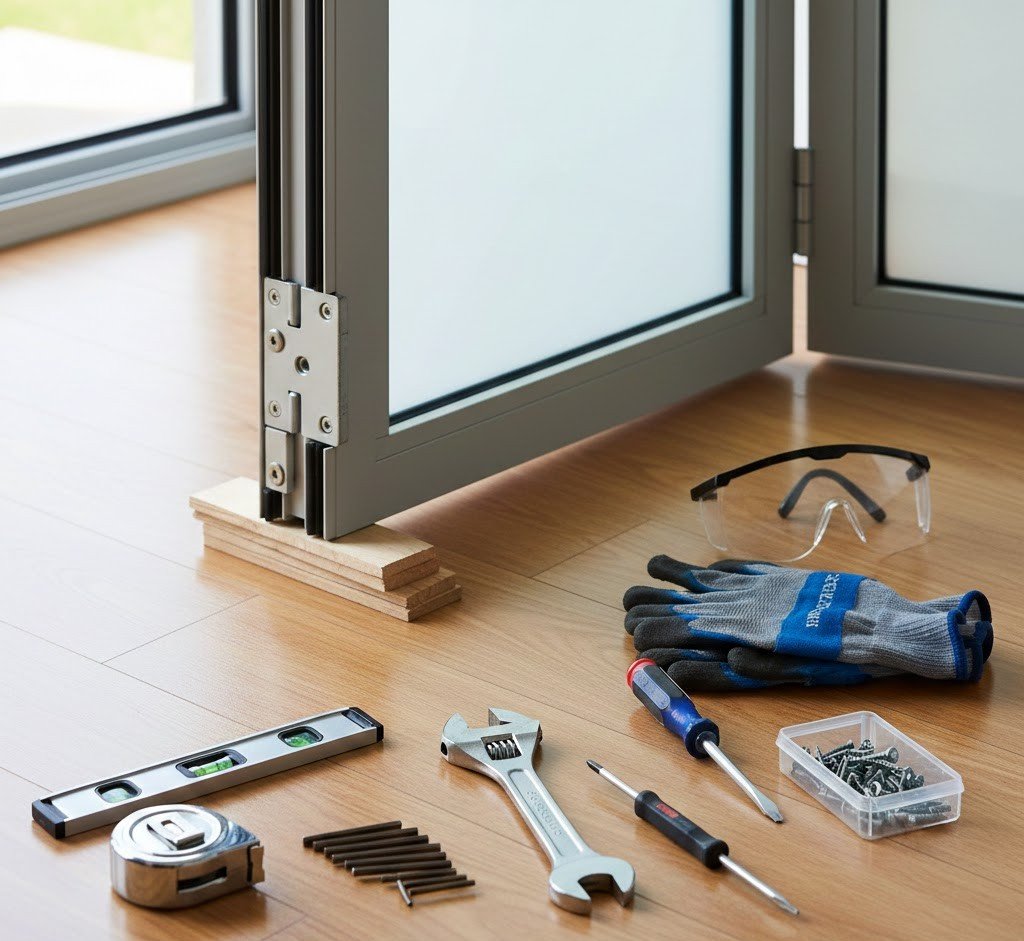
Before beginning any adjustment or repair, gather the necessary tools and support the door properly.
| Category | Items |
| Hand tools | Screwdrivers, adjustable wrench, Allen keys |
| Measuring tools | Tape measure, level |
| Replacement parts | Pivot pin, pivot bracket, mounting screws |
| Safety equipment | Gloves, eye protection, wood shims |
Never loosen a bottom pivot while it is under load. Supporting the door first is essential for safety and to prevent frame damage.
Step-by-Step: Repairing and Adjusting the Bottom Pivot
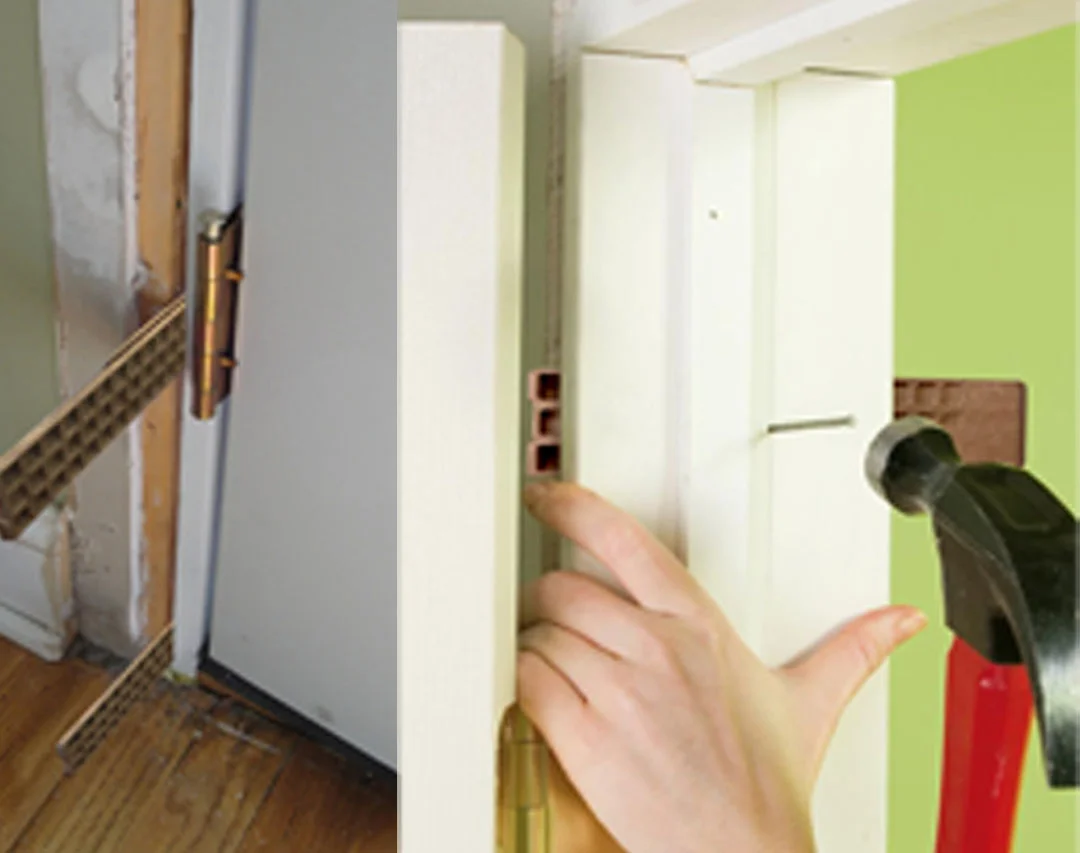
Step 1: Support the Door Weight
Close the bifold door fully so the panels are stacked. Place wood shims or blocks under the pivot-side panel and lift gently until the door’s weight is no longer resting on the pivot. The pivot should loosen without resistance.
Step 2: Inspect the Pivot Assembly
Remove any trim covering the pivot and inspect the pin, bracket, and fasteners. Look for bending, cracks, or stripped screw holes. Measure the pivot pin to ensure any replacement matches the original dimensions.
Step 3: Adjust the Pivot Height
Most pivots use a threaded adjustment mechanism. Turn the adjuster slowly, raising or lowering the door in small increments. Aim for approximately 3–6 mm of clearance above the finished floor and check plumb after each adjustment.
Step 4: Replace a Damaged Pivot Pin or Bracket
If adjustment does not resolve the issue, remove the damaged pivot components. Install the replacement bracket square to the frame, reinforce mounting points if necessary, and insert the new pivot pin. Tighten securely without crushing the aluminum frame.
Step 5: Test Door Operation
Remove the door supports gradually and cycle the door several times. The panels should fold smoothly, align evenly, and remain stable when closed. Fine adjustments may be required to balance the system.
How to Know When Replacement Is Required
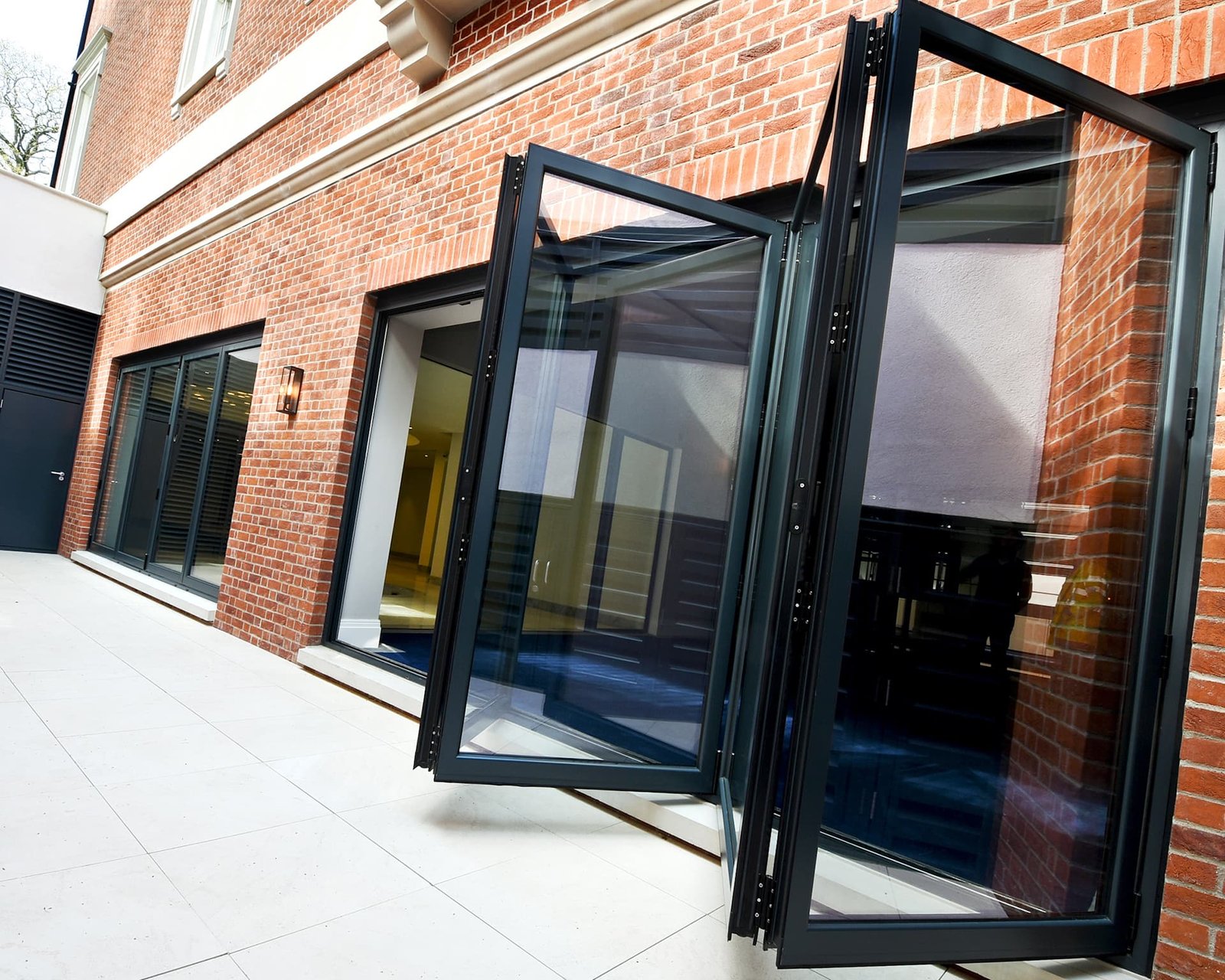
Not every bottom pivot problem can be corrected with adjustment. When the issue is structural rather than alignment-related, replacement is the only reliable solution. Continuing to adjust a failing pivot often results in repeat sagging, ongoing misalignment, or damage to the aluminum frame.
Clear Signs Replacement Is Necessary
A bottom pivot should be replaced when any of the following conditions are present:
- The pivot pin is bent, cracked, or permanently deformed
- The pivot bracket shows cracks, warping, or metal fatigue
- Height or alignment adjustments will not hold
- The door drops back into the same sagging position shortly after adjustment
These symptoms indicate that the hardware has exceeded its load capacity or service life.
Mounting and Load-Related Failures
Replacement is also required when the pivot can no longer anchor securely or support the door’s weight:
- Screws pull loose or spin in the aluminum frame
- Mounting holes become elongated or distorted
- The bracket shifts even when fully tightened
- Door weight has increased due to heavier glass or added panels
In these situations, continued use places increasing stress on the frame and surrounding hardware.
Why Replacement Is the Better Long-Term Fix
Once a bottom pivot shows structural wear, replacement is more effective than repeated adjustment. New hardware restores proper load distribution, protects the aluminum frame from further damage, and eliminates the cycle of temporary fixes. Replacing a compromised pivot early almost always results in smoother operation and fewer long-term problems.
Why Oridow Is a Strong Choice for Aluminum Bifold Doors
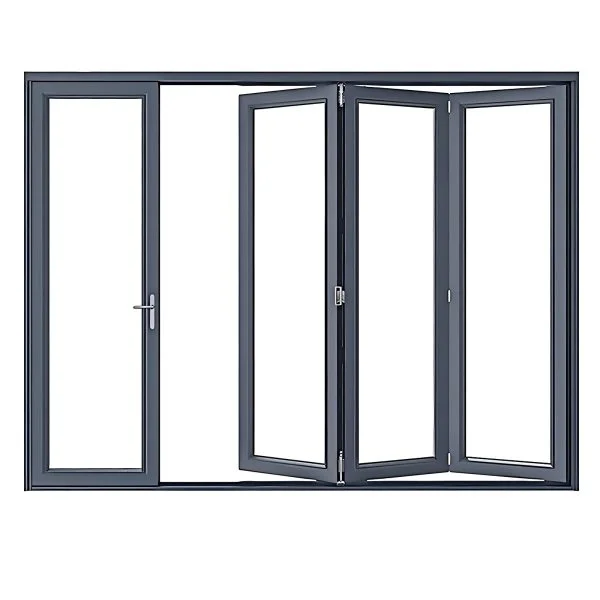
Choosing the right aluminum bifold door system matters because bottom pivot performance depends heavily on how well the hardware, frame, and load distribution are engineered together. Oridow specializes in aluminum door systems where bottom pivots, tracks, and rollers are designed as a matched set, not as generic components.
Oridow offers a wide range of aluminum bifold door products suitable for residential and light commercial use, with designs that account for real-world panel weight, frequent operation, and long-term durability.
Key advantages of Oridow aluminum bifold door systems include:
- Engineered bottom pivot assemblies with defined load capacities
- Matched top and bottom hardware for balanced weight distribution
- Adjustable components that hold alignment after installation
- Consistent manufacturing tolerances for reliable replacement parts
Beyond the products themselves, Oridow’s technical support and after-sales team provide practical assistance for installers and homeowners. They help with product selection, hardware compatibility, installation guidance, and identifying correct replacement components, which is especially valuable when diagnosing or fixing bottom pivot issues.
FAQs About Aluminum Bifold Door Bottom Pivots
Can I adjust a bottom pivot without removing the door?
Minor adjustments are possible if the door’s weight is supported before turning the adjuster.
Why does my bifold door keep dropping after adjustment?
This usually indicates worn adjustment threads, a fatigued pivot pin, or excessive door weight.
Are aluminum bifold door pivots interchangeable?
No. Pivot pins and brackets vary by size, offset, and door thickness compatibility.
How much weight can a bottom pivot support?
Most residential aluminum bifold pivots are rated for approximately 20–40 kg per pivot, depending on design.


