

What Happens When You Cut Into a Load-Bearing Wall?
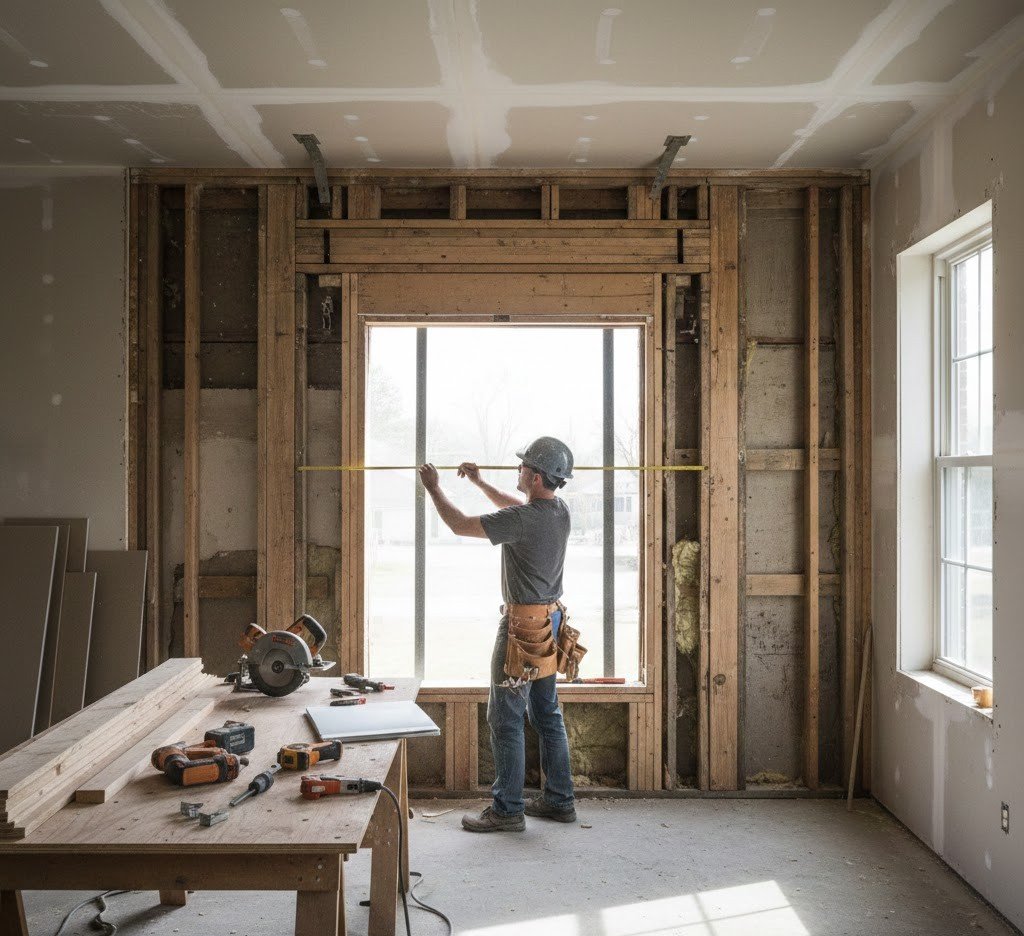
A load-bearing wall transfers vertical loads from the roof or upper structure down to the foundation. When you create an opening for a fold-up window, you interrupt that load path.
Without reinforcement, this can lead to:
- Structural sagging
- Cracked plaster or brickwork
- Door and window misalignment
- Long-term structural damage
To prevent these issues, builders install a structural beam above the opening to carry the load across the new span.
Structural Modification Overview
| Factor | Non-Load-Bearing Wall | Load-Bearing Wall |
| Supports structural weight | No | Yes |
| Requires structural engineer | Usually not | Yes |
| Beam or header required | Not typically | Mandatory |
| Permit required | Sometimes | Almost always |
| Installation complexity | Moderate | High |
In most developed markets, building authorities require engineering documentation when modifying load-bearing walls. This ensures compliance with safety standards and protects property value.
Can You Safely Install a Fold-Up Window in a Structural Wall?
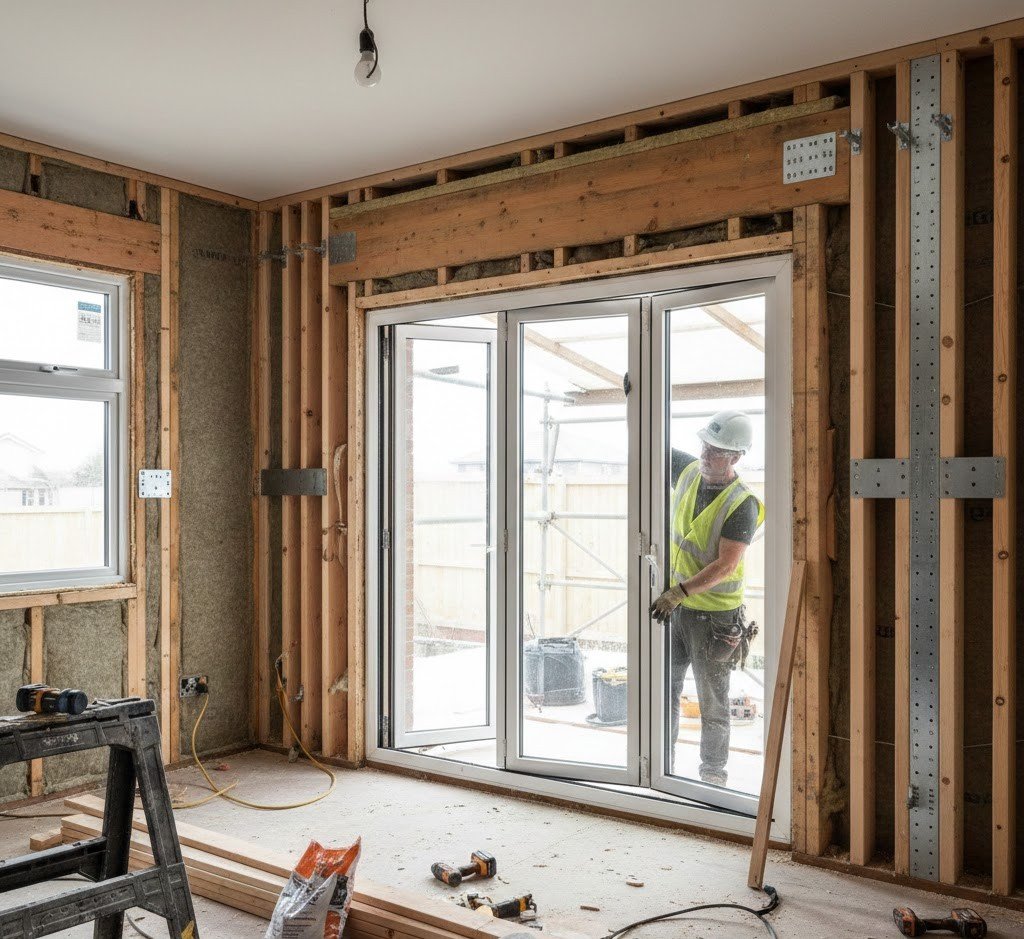
Yes. A fold-up window can be safely installed in a load-bearing wall when the process is engineered, permitted, and professionally executed. Structural safety depends on redistributing the load properly before the opening is created.
Step-by-Step Installation Framework
- Verify Whether the Wall Is Load-Bearing
- Check original architectural or structural drawings.
- Inspect roof or floor joist direction.
- Confirm findings with a licensed structural engineer.
You should never assume a wall is non-structural without professional confirmation.
- Obtain Structural Engineering Calculations
- Determine span width and total load above the opening.
- Calculate required beam size and material strength.
- Specify whether LVL (laminated veneer lumber) or steel lintels are needed.
Engineering calculations ensure the new header safely transfers weight to adjacent load points.
- Secure Building Approval
- Apply for local building permits.
- Submit engineering documentation if required.
- Schedule inspections during and after installation.
In Australia, the UK, and most US jurisdictions, structural modifications must meet strict code compliance standards.
- Install Temporary Structural Support
Before cutting into the wall:
- Temporary bracing is installed on both sides.
- This prevents shifting or sagging during construction.
This step protects the structure while the load path is interrupted.
- Install the Reinforced Beam or Header
- The engineered beam is positioned above the new opening.
- Load is transferred to vertical supports or posts.
- The structure is secured before temporary bracing is removed.
This is the critical structural moment of the project.
- Install the Fold-Up Window System
- The opening is precisely framed and leveled.
- The window frame is anchored to structural supports.
- Weather sealing and flashing are completed.
When selecting products for structural openings, reviewing engineered aluminum window systems helps you understand how reinforced frames and heavy-duty hardware are designed to handle larger spans safely.
Following this structured approach ensures your fold-up window enhances your space without compromising structural integrity.
How Do Fold-Up Windows Perform in Load-Bearing Walls?
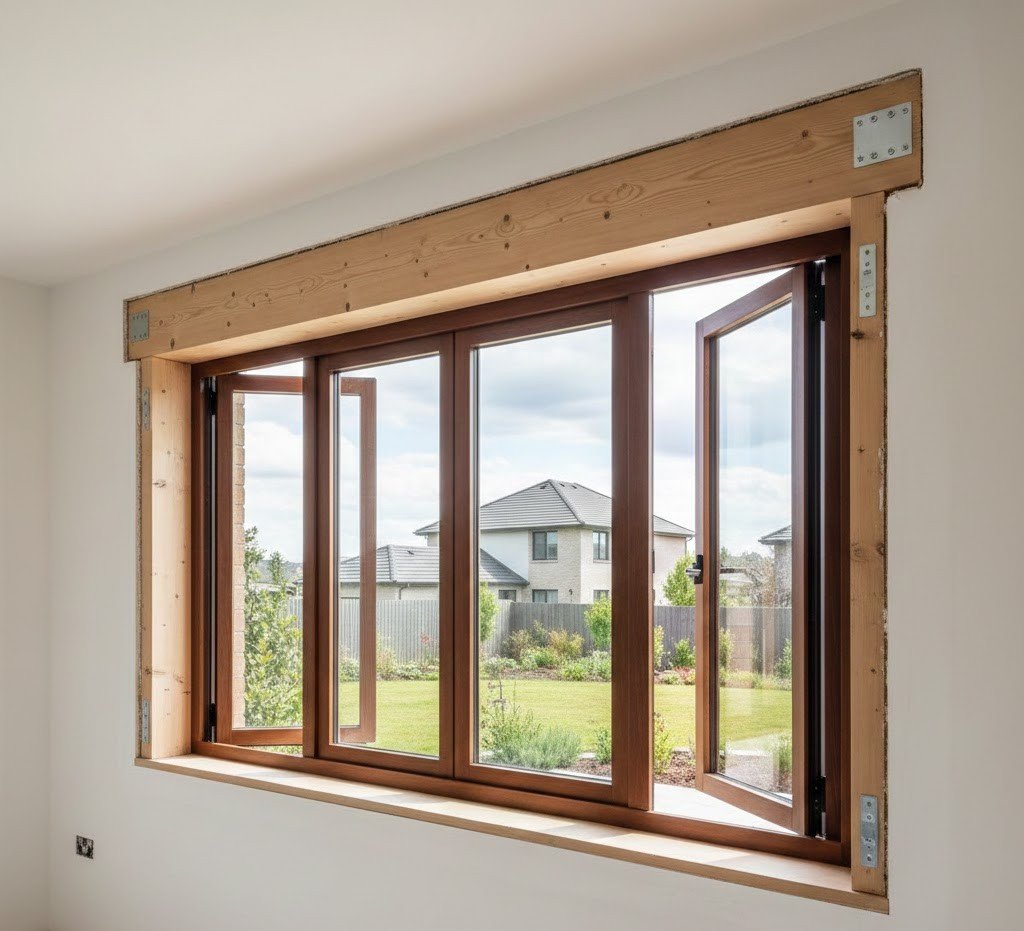
Modern fold-up window systems are engineered for strength and stability. High-grade aluminum frames offer:
- Reinforced structural profiles
- Corrosion resistance
- Load-tested hinge systems
- Weather-sealed perimeters
- Multi-point locking hardware
These systems are frequently used in hospitality and café environments where durability is critical. You can see real-world structural integration examples in café installations that combine performance with aesthetic design.
Structural Considerations by Wall Type
| Wall Material | Reinforcement Required | Installation Complexity |
| Timber Frame | LVL beam | Moderate |
| Brick Masonry | Steel lintel | High |
| Concrete | Reinforced steel beam | High |
| Steel Frame | Engineered header | Moderate to High |
Brick and concrete walls generally require more labor due to cutting and steel insertion.
How Much Does It Cost to Install a Fold-Up Window in a Load-Bearing Wall?
Structural modification significantly impacts overall cost.
You are paying for:
- Engineering consultation
- Structural beam materials
- Labor for demolition and reinforcement
- Window unit and glazing
- Finishing and inspection
Below is a simplified cost comparison.
Cost Comparison Overview
| Cost Component | Non-Load-Bearing Installation | Load-Bearing Installation |
| Engineering Fees | Minimal or none | Required |
| Structural Beam | Not needed | Required |
| Labor | Moderate | Higher |
| Permit Fees | Sometimes | Required |
| Total Investment | Lower | Higher |
For a detailed breakdown of variables influencing pricing, reviewing information on installation pricing factors can help you budget effectively.
Costs in Australia, the UK, and the USA vary depending on wall material, opening size, and local labor rates. Larger openings increase beam size requirements and structural complexity.
Are Fold-Up Windows Secure in Structural Walls?
Structural modification does not reduce security if the correct window system is installed.
High-quality systems include:
- Multi-point locking mechanisms
- Reinforced hinges
- Tempered or laminated safety glass
- Anti-lift protection
Understanding modern security features helps ensure both structural safety and property protection.
When engineered properly, fold-up windows maintain strength, weather resistance, and locking integrity even in larger structural openings.
Why Oridow Is the Right Supplier for Aluminum Fold Up Windows
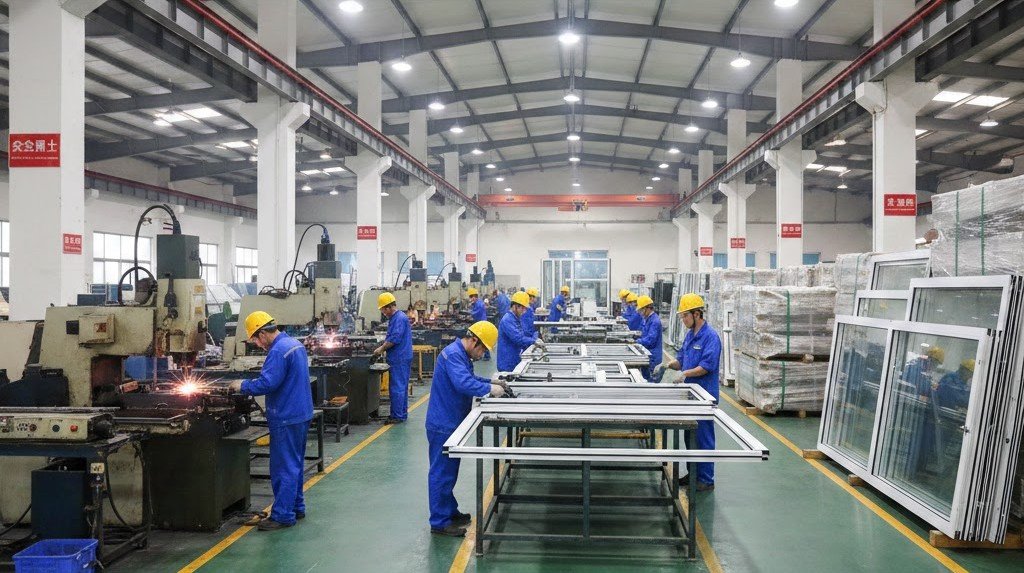
Structural installations demand precision-engineered products. The referenced specifications highlight aluminum frames manufactured with high-strength alloys, reinforced profiles, and load-tested hinge systems suitable for wide-span openings.
These Oridow systems are designed for:
- Heavy-duty commercial use
- Coastal corrosion resistance
- Smooth vertical lifting operation
- Weather-sealed performance
- Long-term durability under structural stress
The engineering quality supports installation in load-bearing walls where structural performance is critical. Reviewing availablewindow collections allows you to compare models suited for residential and commercial applications. For project-specific structural requirements, consultation through theproject inquiry page helps align product specifications with engineering demands.
Key Considerations for Australia, UK, and USA Installations
Building codes across these markets require strict compliance for structural wall modifications. Engineering documentation is typically mandatory before work begins.
In coastal Australia, corrosion-resistant aluminum is essential. In the UK, thermal efficiency standards influence glazing selection. In many US states, wind load and seismic performance must meet local building codes.
Selecting structurally rated aluminum systems ensures compliance while delivering open, functional spaces.
Frequently Asked Questions
1. Do I need a permit to install a fold-up window in a load-bearing wall?
In most cases, yes. Structural wall alterations usually require engineering approval and local building permits.
2. Is brick more difficult than timber framing?
Yes. Brick and concrete require steel lintels and more intensive labor compared to timber-framed walls.
3. Does installation increase property value?
When professionally engineered and permitted, large structural window openings often enhance property value by improving light, ventilation, and indoor-outdoor functionality.
4. Are aluminum fold-up windows strong enough for structural openings?
- Yes, if built with reinforced frames.
- High-strength aluminum supports wide spans.
- Engineered hinges handle panel weight.
- Proper structural anchoring is essential.
5. Can I remove a large section of a load-bearing wall for a fold-up window?
- Yes, with structural reinforcement.
- Install a properly sized beam or lintel.
- Redirect loads to side supports.
- Engineering approval is usually required.


