
Choosing the right swing-sliding door system can be confusing, especially when every brand claims durability, energy efficiency, and style. Many homeowners end up with doors that jam, leak air, or fail within a few years because they overlooked key technical details. Whether you’re renovating or building new, investing in the wrong system can cost you thousands in repairs and energy loss.
This guide breaks down everything you need to know before you buy, from understanding core components like door tracks and frames to evaluating hardware, glazing, and installation quality. You’ll learn exactly which features define a premium system, what red flags to avoid, and how to make a confident, long-term investment that delivers both performance and aesthetic value.
Key Takeaways:
-
A quality swing-sliding door system combines smooth sliding tracks, durable swing hardware, and thermally efficient frames for longevity.
-
Proper installation, sealing, and maintenance ensure energy efficiency, noise reduction, and smooth dual-function operation over time.
-
Certified materials, Low-E glazing, and multi-point locks enhance comfort, safety, and long-term performance in modern home designs.
Understanding What a Swing-Sliding Door System Is
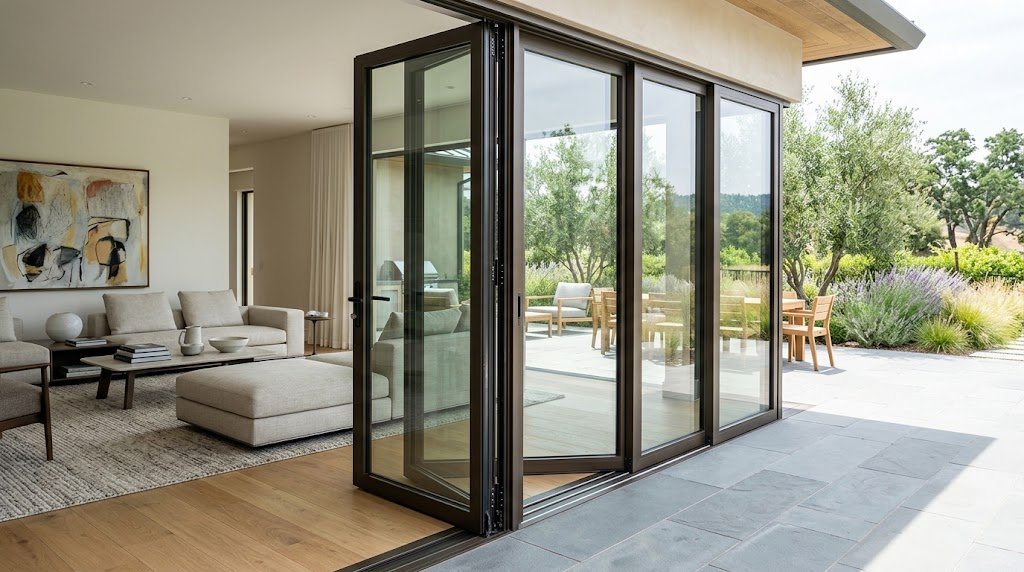
A swing-sliding door system is a hybrid solution combining the features of a traditional hinged door with the expansive opening of a sliding one. In practical terms, one or more panels can swing open for daily entry, while the rest slide seamlessly along a track to create a wide, open passage.
This dual-function design is ideal for spaces where flexibility and natural light are priorities, such as patios, terraces, and modern living rooms that connect indoor and outdoor areas. When engineered properly, the mechanism allows for quiet motion, excellent weather sealing, and thermal efficiency.
If you’re considering an upgrade, modern swing-sliding options offer customizable systems with advanced tracks, secure locks, and sleek frame profiles that adapt to both residential and commercial projects.
Core Features to Look for in a High-Quality Swing-Sliding Door System
Choosing a door system isn’t just about looks; it’s about engineering precision, durability, and comfort. Here are the essential elements to evaluate before making a purchase.
1. Smooth Sliding Mechanism
The hallmark of a superior system is the sliding door mechanism. It dictates how easily and quietly the panels move.
Look for:
- Precision ball-bearing rollers that glide effortlessly without sticking or wobbling.
- A robust door track system made from stainless steel or anodized aluminium to prevent rust.
- Soft-close features that eliminate slamming and protect the frame over time.
- Adjustable tracks that maintain alignment and ensure consistent performance.
To see how this mechanism functions in real installations, refer to this installation process guide, which outlines critical setup details, from track leveling to seal testing.
2. Durable Swing Hardware
The swing portion of the system depends on reliable hinges and locks. High-quality swing door hardware ensures safety and a satisfying user experience.
Check for:
- Multi-point locking systems that secure the panel at several points along the frame.
- Heavy-duty hinges capable of supporting the panel’s full weight without sagging.
- Corrosion-resistant coatings on handles and levers for durability in humid or coastal environments.
- Tight compression seals that maintain an airtight and watertight fit when closed.
If you’re exploring available frames and hardware types, try Oridow’s product lineup displays various system configurations tailored to architectural and performance needs.
3. Thermally Efficient Frames
The sliding door frame is more than a structural element, it’s your main barrier against energy loss. A poor-quality frame can lead to drafts, condensation, and higher energy bills.
Key factors include:
- Thermal breaks that separate interior and exterior aluminium layers to prevent heat transfer.
- Composite or uPVC materials that naturally resist temperature fluctuations.
- Reinforced profiles that prevent flexing in larger installations.
- High-density seals to maintain indoor comfort in all seasons.
Frames designed for insulation not only improve comfort but also contribute to sustainable living. According to the U.S. Department of Energy, upgrading to energy-efficient doors and windows can reduce total household heating and cooling costs by up to 30 percent.
4. High-Performance Door Panels and Glazing
Your choice of panels and glazing affects the door’s safety, acoustics, and efficiency.
Choose glazing options such as:
- Double or triple glazing for better thermal insulation.
- Low-emissivity (Low-E) coatings to reflect infrared heat while allowing visible light.
- Laminated or tempered glass for impact resistance and safety.
- Argon-filled cavities between panes for superior energy performance.
ENERGY STAR studies indicate that energy-rated windows and doors can save homeowners between 10 and 15 percent on annual utility bills. The right door panels and glazing balance beauty, privacy, and performance qualities that define lasting value.
5. Reliable Door Threshold System
Often overlooked, the door threshold system ensures accessibility and protection from the elements.
Look for:
- Low-profile thresholds that allow easy wheelchair or stroller passage.
- Integrated drainage channels to prevent water buildup and leakage.
- Weather-stripping seals that stop air infiltration and keep moisture out.
- Thermally insulated bases that prevent heat loss along the floor line.
This combination keeps your space comfortable and your flooring safe from moisture damage.
Why Quality Matters for Long-Term Value
Investing in a well-engineered swing-sliding door system pays off in multiple ways.
Durability: Top-tier tracks, rollers, and hinges resist wear even after years of use.
Energy Efficiency: Thermal breaks, insulated frames, and Low-E glazing reduce energy waste.
Security: Multi-point locking and laminated glass enhance safety and peace of mind.
Comfort: Quality seals minimize noise, dust, and drafts.
Resale Value: Sleek, high-performing doors increase your home’s market appeal.
Companies such as Oridow emphasize CE- and ISO-certified materials, precision manufacturing, and global service, giving homeowners and builders confidence in long-term performance.
Swing-Sliding Door vs Sliding Door vs Bifold Door
Choosing between a swing-sliding, traditional sliding, and bifold door depends on how you plan to use the space. Each system offers different advantages in terms of opening flexibility, space requirements, weather performance, and everyday operation.
| Feature | Swing-Sliding Door | Sliding Door | Bifold Door |
|---|---|---|---|
| How It Opens | Combines swinging and sliding functions | Panels slide horizontally along a track | Multiple hinged panels fold and stack together |
| Opening Flexibility | High – use a single swing panel for daily access or open multiple panels when needed | Moderate -usually only part of the total opening can be exposed | High -most or nearly all of the opening can be opened |
| Space Required | Requires some clearance for the swing panel but minimal stacking space | Very space-efficient because panels stay within the track | Requires space at the side for stacked panels |
| Best For | Patios, terraces, balconies, living spaces, offices and flexible indoor-outdoor areas | Balconies, patios and rooms where floor space is limited | Large patios, entertainment areas and wide architectural openings |
| Ease of Daily Access | Excellent – the swing panel works like a conventional door | Excellent for frequent sliding access | Less convenient when several panels must be moved for everyday entry |
| Indoor-Outdoor Connection | Excellent, especially when multiple panels are opened | Good, although fixed or overlapping panels can limit the opening | Excellent due to the wide unobstructed opening |
| Weather Sealing | Very good when equipped with compression seals and properly engineered tracks | Very good with quality interlocking frames and seals | Good to very good, depending on panel joints, seals and installation |
| Energy Efficiency | High with thermal-break frames, insulated glazing and compression seals | High with thermally efficient frames and glazing | High when quality frames, glazing and seals are used |
| Security | Strong with multi-point locks, secure tracks and laminated glazing | Strong with quality locks, reinforced frames and security glazing | Strong when fitted with multi-point locking across the folding panels |
| Maintenance | Tracks, rollers, hinges and seals require periodic care | Relatively low; mainly tracks, rollers and locks | More moving joints, hinges and rollers may require regular maintenance |
| Design Appearance | Clean, modern appearance with flexible panel configurations | Minimalist with large uninterrupted glass areas | Contemporary architectural look with distinctive folding panels |
| Ideal Buyer | Someone who wants both convenient everyday access and the option for a wider opening | Someone prioritizing simplicity and space-saving operation | Someone who wants to create the widest possible indoor-outdoor opening |
Which Door System Should You Choose?
A swing-sliding door system is a strong option when you want flexibility. You can use the swing panel for normal everyday entry without opening the entire system, then slide additional panels aside when you need a wider passage.
A sliding door is better suited to spaces where simplicity and space efficiency are the priorities. Because the panels move along a horizontal track rather than swinging into the room, sliding systems work particularly well where floor space is limited.
A bifold door is often preferred for large openings where creating a broad connection between indoor and outdoor areas is the main objective. Its panels fold and stack to one or both sides, allowing more of the opening to remain unobstructed.
The right choice ultimately depends on your opening size, available space, climate, frequency of use, desired opening width, and performance requirements. For projects that need a balance between daily convenience and wide-opening flexibility, a swing-sliding system can offer the best of both operating styles.
How to Select the Right System for Your Home or Project
Every home has unique needs, and selecting the right configuration requires balancing design goals with functionality. Consider these factors before you decide:
- Usage Frequency – If the door serves as a main entry, prioritize heavy-duty tracks and locks rated for frequent operation.
- Climate and Exposure – In coastal or humid regions, corrosion-resistant finishes are essential.
- Size and Configuration – Larger openings demand reinforced frames and multiple locking points.
- Aesthetic Harmony – Choose finishes and panel styles that complement your architecture.
- Energy Efficiency Goals – Review performance ratings for U-values and air-infiltration resistance.
- Maintenance Accessibility – Opt for hardware that’s easy to clean and service.
- Warranty and Support – Confirm long-term availability of parts and after-sales assistance.
If home automation is part of your design plan, ensure the system supports smart-home compatibility for seamless integration with security sensors or motion-controlled opening.
The Importance of Professional Installation
Even the most sophisticated design will underperform if installed incorrectly. A professional installer should:
- Level and align the track system precisely to avoid sticking or uneven motion.
- Seal all joints and connections against moisture and air leaks.
- Test both functions (swing and slide) under load to ensure balance and stability.
- Document maintenance and provide instructions for lubrication, cleaning, and seasonal checks.
Proper installation ensures smooth operation for decades, maintaining the manufacturer’s warranty and the door’s energy efficiency.
Maintenance and Care Tips for Longevity
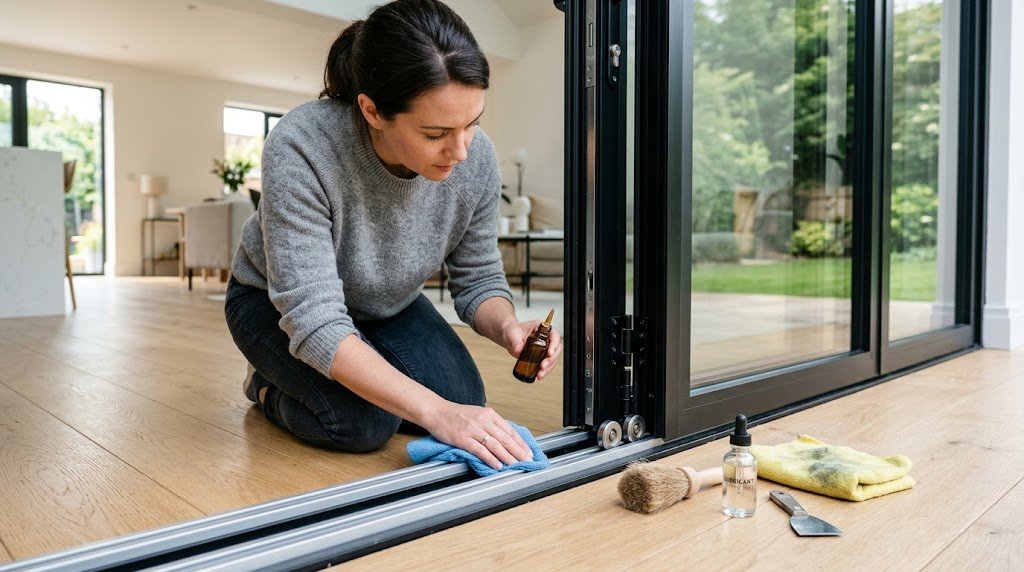
A few simple habits extend your system’s lifespan:
- Wipe tracks and seals monthly to remove dust or grit.
- Lubricate hinges and rollers annually with silicone-based lubricant.
- Check drainage channels before rainy seasons to prevent clogging.
- Inspect locking mechanisms for proper alignment.
- Reapply protective coatings if exposed to salt air or extreme temperatures.
Consistent maintenance reduces wear, ensures quiet operation, and keeps your investment performing like new.
Environmental and Design Trends
Homeowners are increasingly turning to dual-function door systems for their sustainability benefits and space efficiency. According to market research from Allied Market Research, demand for thermally insulated aluminium doors is expected to grow significantly through 2032 as green-building standards tighten worldwide.
Architectural trends now emphasize:
- Larger glazed openings for daylight optimization.
- Slimmer frame profiles that increase the glass-to-frame ratio.
- Smart automation for accessibility and energy management.
- Custom colour finishes that coordinate with minimalist design palettes.
Manufacturers that align with these trends especially those offering custom dimensions and certified performance deliver lasting value for modern homes and commercial properties alike.
Before You Buy: Swing-Sliding Door Checklist
Before ordering a swing-sliding door system, check the details that directly affect how well the door will perform after installation. A visually attractive system can still become difficult to operate if the tracks, hardware, glazing, seals, or installation quality are not suitable for the opening.
Use this checklist before making a final decision:
- Confirm the opening dimensions — Measure the width and height accurately and check whether the floor and surrounding walls are level.
- Choose the right panel configuration — Decide how many panels you need and which panel should swing for everyday access.
- Check track and roller quality — Look for smooth-running rollers, durable tracks, and hardware designed for the weight of the panels.
- Review frame performance — For aluminium systems, consider thermally broken profiles where energy efficiency is important.
- Select suitable glazing — Compare double glazing, Low-E glass, tempered glass, laminated glass, and other options based on climate, safety, and insulation needs.
- Inspect the locking system — Multi-point locking can provide stronger security than a basic single-point lock.
- Check seals and weather protection — Quality gaskets, compression seals, and drainage channels help reduce air and water infiltration.
- Review the threshold design — Consider accessibility, drainage, trip hazards, and how the threshold will connect with the finished flooring.
- Ask about wind and water performance — This is especially important for exposed, coastal, high-rise, or storm-prone locations.
- Confirm corrosion resistance — Hardware and finishes should be suitable for humid, coastal, or high-salt environments when required.
- Check maintenance access — Rollers, tracks, locks, drainage channels, and seals should be easy to inspect and service.
- Review warranty coverage — Confirm what is covered for the frame, hardware, glass, seals, and operating components.
- Ask about replacement parts — Make sure rollers, handles, locks, hinges, and seals will remain available if servicing is needed later.
- Confirm professional installation — Correct track alignment, sealing, drainage, and panel adjustment are essential for reliable operation.
A quality supplier should be able to explain these points clearly and recommend a configuration based on your opening size, climate, usage frequency, and performance requirements.
Safety Features to Look for in a Swing-Sliding Door System
Safety should be evaluated alongside appearance, energy efficiency, and ease of operation. Because swing-sliding systems contain large moving panels, tracks, hinges, and glazed areas, the design should help reduce the risk of accidental impact, trapped fingers, breakage, and unauthorized entry.
Important safety features to consider include:
Anti-Pinch Protection
Areas between moving panels, hinges, and frames can create pinch points. Well-designed systems should minimize dangerous gaps or incorporate protective details that reduce the risk of fingers becoming trapped during operation.
Controlled and Smooth Panel Movement
Quality rollers and correctly adjusted tracks help prevent panels from moving unpredictably. Soft-close or controlled-closing mechanisms can also reduce slamming and sudden impact, particularly in homes with children or frequent traffic.
Tempered or Laminated Safety Glass
Large glazed door panels should use appropriate safety glazing. Tempered glass is designed to break into smaller pieces if damaged, while laminated glass is held together by an interlayer and can provide additional security and impact resistance.
Multi-Point Locking
A multi-point locking system secures the door at several positions along the frame rather than relying on a single lock. This can improve resistance to forced entry while also helping the panel close more tightly against the seals.
Secure Track and Roller Design
Panels should remain securely engaged with the track during normal operation. High-quality systems use correctly sized rollers, guides, and retention components to help prevent excessive movement, lifting, or derailment.
Anti-Collision Features
For large or frequently operated systems, anti-collision or controlled-stop features can help prevent panels from striking frames, walls, or adjacent panels too forcefully.
Safe Threshold Design
Low-profile thresholds can improve accessibility and reduce trip risks, but they still need effective drainage and weather sealing. The threshold should be selected according to the location and level of exposure.
Child-Safe and Accessible Hardware
Handles and locks should be comfortable to operate without creating unnecessary hazards. In family homes, consider whether locking positions, handle height, and panel movement are appropriate for children.
Proper Installation and Final Safety Testing
Even premium safety features can underperform if the door is installed incorrectly. After installation, the system should be checked for smooth movement, correct locking, stable panel alignment, safe clearances, secure glazing, and proper track engagement.
For larger openings or high-traffic applications, safety requirements should be discussed with the manufacturer or installer before the final configuration is approved.
Frequently Asked Questions
What makes a swing-sliding door different from a folding system?
A swing-sliding door allows one or more panels to both slide and swing, giving you flexible access without the stacked look of bi-fold panels. Folding systems hinge multiple panels together, while swing-sliding systems maintain a cleaner aesthetic and smoother transition.
Are swing-sliding doors energy-efficient?
Yes. When equipped with thermally broken frames and double glazing, they significantly reduce heat loss. Verified studies by ENERGY STAR and Natural Resources Canada confirm that energy-rated systems can cut household energy consumption by up to 13 percent.
How long do these systems last?
With proper materials and maintenance, a premium system can last 25–30 years or longer, depending on usage and exposure conditions.
Can they integrate with smart-home systems?
Absolutely. Many models now connect with motion sensors, remote-control apps, or central automation hubs for effortless operation.
Are they suitable for commercial projects?
Yes. Their versatility and durability make them ideal for hotels, restaurants, and offices that need wide openings with reliable weather protection.


