

In the construction and renovation industry, the choice of window materials significantly influences project outcomes in terms of cost, durability, and customer satisfaction. Wholesalers and builders have to navigate this terrain carefully, balancing client preferences, budget constraints, and performance requirements. uPVC and aluminum emerge as the frontrunners in the window material race due to their distinctive benefits and application advantages. This guide aims to provide wholesalers and builders with a comprehensive comparison of uPVC VS aluminum windows to support informed decision-making in their projects.
Understanding uPVC and Aluminum Windows
uPVC Windows: An Overview
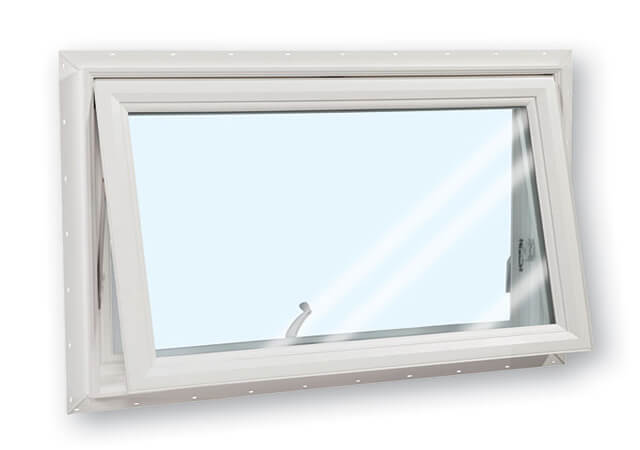
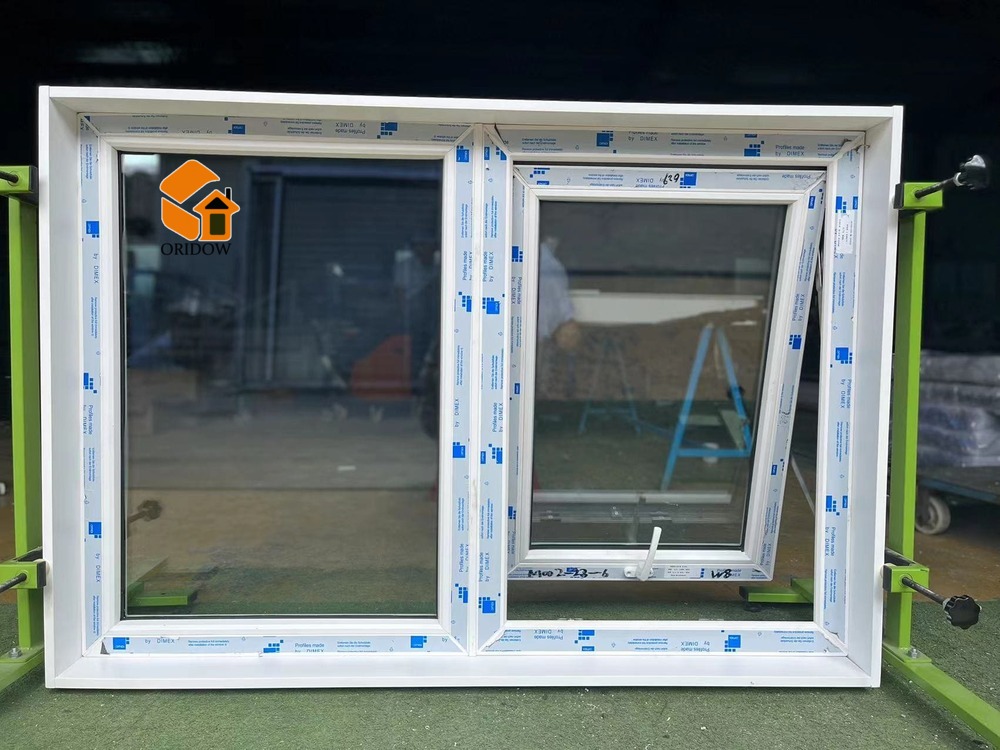
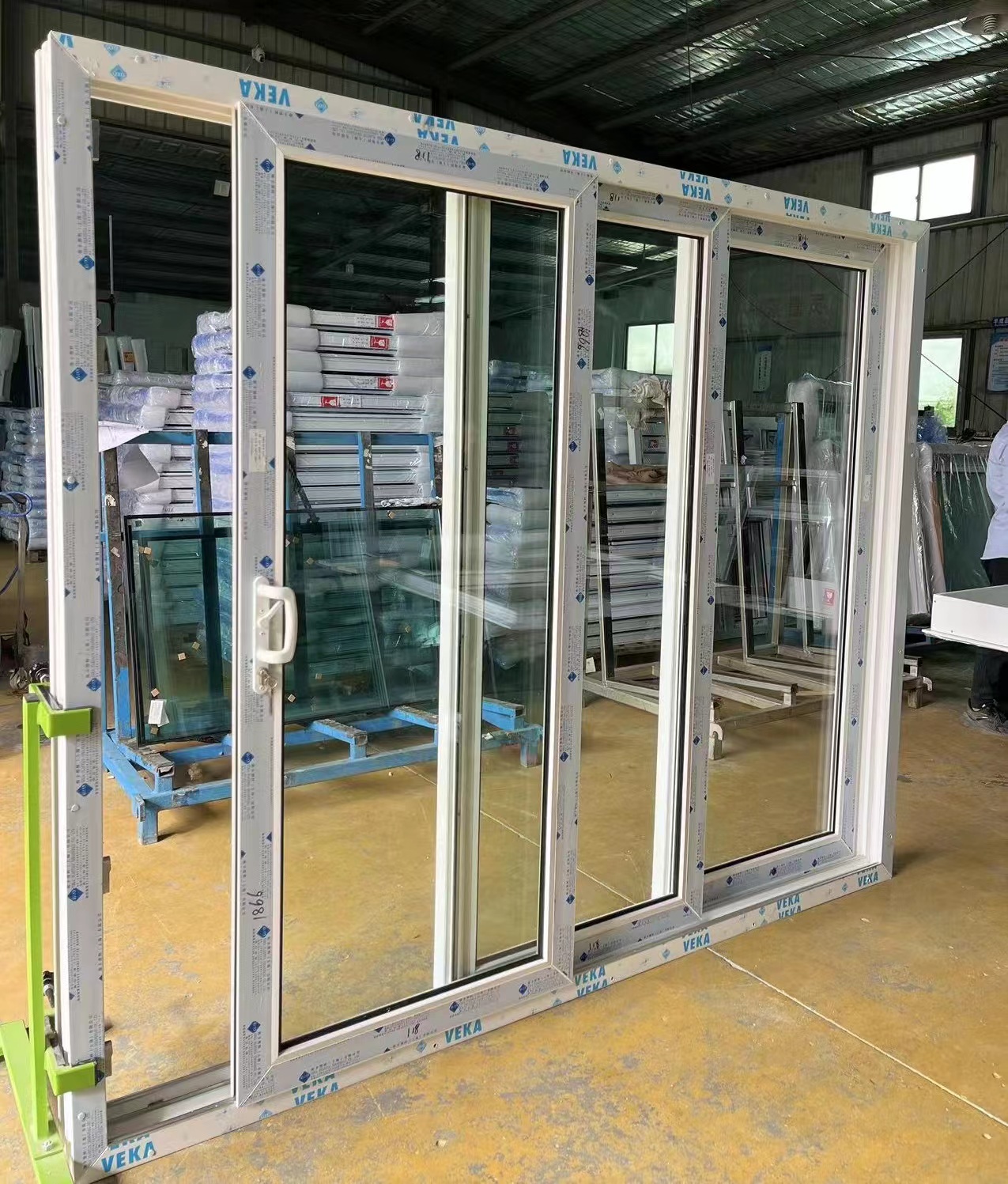
uPVC, or unplasticized Polyvinyl Chloride, is a form of rigid and durable plastic. It is widely used in window frames for its thermal efficiency, low maintenance, and cost-effectiveness. uPVC windows offer excellent insulation, are available in various finishes, and do not warp, rot, or rust.


Aluminum Windows: An Overview
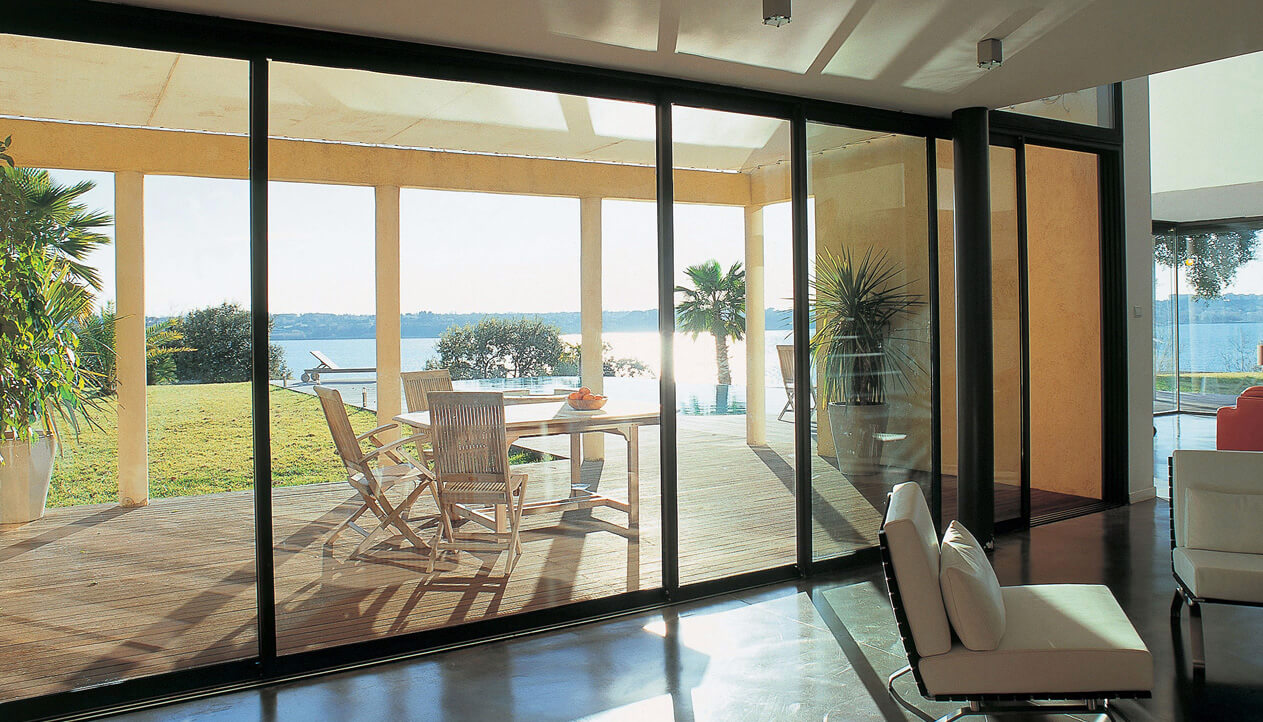
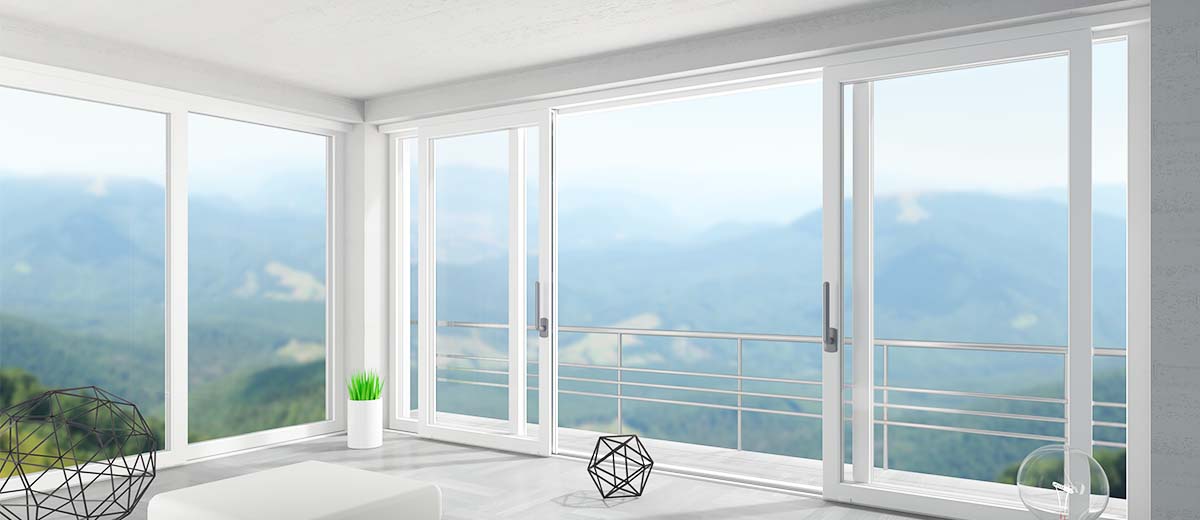
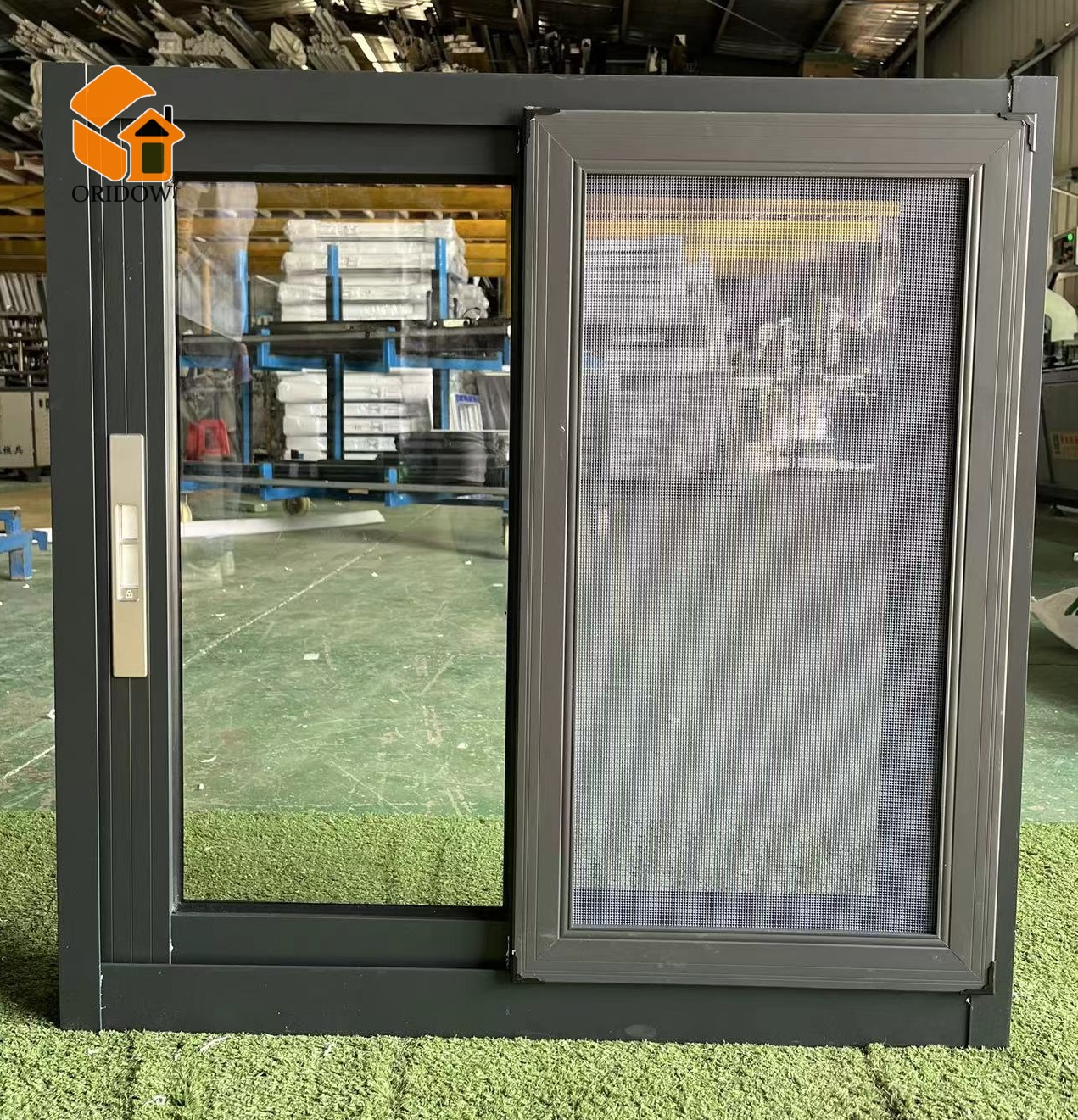
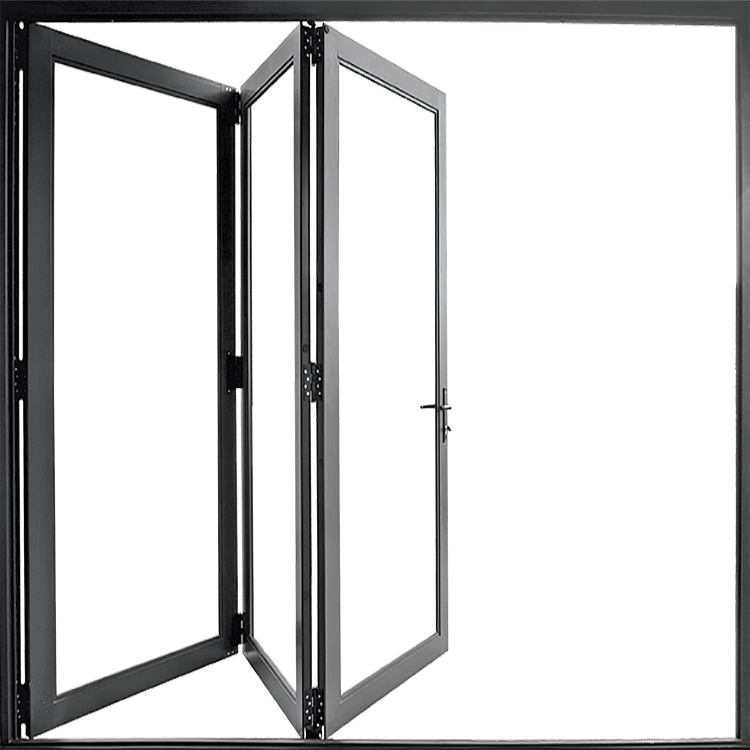
Aluminum windows are known for their slim profiles, strength, and contemporary aesthetic. This material is favored for its durability, lightweight nature, and ease of maintenance. Aluminum’s versatility allows larger windows with slimmer frames, offering better views and natural light penetration.



Key Factors for Wholesalers and Builders
Durability and Maintenance
uPVC is highly resistant to environmental factors and does not require painting or significant upkeep, making it an excellent choice for low-maintenance projects. Aluminum, while also durable, may need more attention in coastal areas to prevent corrosion, although advancements such as powder coating and PVDF improve its resilience and longevity.
Energy Efficiency
For uPVC, its natural insulation properties stand out, making it ideal for energy-efficient building projects. Aluminum has traditionally been less energy-efficient due to its conductive nature but has seen improvements with the introduction of thermal breaks, narrowing the gap in thermal performance between the two materials.
Cost
uPVC windows are generally more affordable than aluminum, making them a cost-effective choice for large-scale residential projects or where budget constraints are a priority. Aluminum, though more expensive, can offer added value through durability, aesthetics, and potentially higher property values.
Environmental Impact
uPVC is recyclable, and the industry is moving towards more sustainable practices. However, concerns about longevity and chemical composition linger. Aluminum is highly recyclable and uses less energy when recycled than in primary production, appealing to eco-conscious projects.
Making the Choice: uPVC vs Aluminum Windows for Your Projects
Selecting the right window material is a critical decision in any construction or renovation project. Windows influence not only the appearance of a building but also its energy efficiency, durability, maintenance requirements, and overall cost. Among the most commonly compared options today are uPVC and aluminum windows. Each material offers distinct advantages, and the best choice depends on project priorities such as budget, design, location, and sustainability goals.
Whether you are advising clients or making decisions for your own project, understanding these differences will help you choose the most suitable window system.
Project Budget and Cost Analysis
Budget is often the first and most decisive factor in window selection. From a cost perspective, uPVC windows are generally more affordable than aluminum windows, making them a popular choice for residential and mid-scale projects.
uPVC windows have a lower raw material cost and are easier to manufacture and install. Their excellent thermal insulation also reduces long-term energy expenses, which adds to lifecycle savings. Maintenance costs are minimal, as uPVC does not require painting or special surface treatments.
Aluminum windows, by comparison, come with a higher initial cost. The material itself is more expensive, and additional treatments—such as powder coating or anodizing—add to the price. In colder climates, aluminum frames often require thermal breaks to improve insulation, which further increases costs.
Cost comparison (general range):
-
uPVC windows: lower upfront cost, low maintenance, lower energy bills
-
Aluminum windows: higher upfront cost, moderate maintenance, potential additional insulation costs
Budget verdict:
For cost-sensitive projects without compromising performance, uPVC windows are the more economical option.
Design and Aesthetic Flexibility
When architectural design and aesthetics are a top priority, aluminum windows often take the lead. Aluminum frames are naturally strong, allowing for slimmer profiles, larger glass areas, and wide-span openings. This makes them especially attractive for modern, minimalist, and commercial designs.
Aluminum windows are also easier to customize in terms of colors and finishes. Dark colors, metallic tones, and bold architectural statements are more cost-effective with aluminum. Custom shapes—such as arches, curved profiles, or oversized panels—are typically easier and more affordable to achieve with aluminum systems.
While uPVC windows are available in multiple colors and wood-grain finishes, customization beyond standard designs can become expensive. Non-rectangular shapes, like arches, are possible but usually come at a higher cost compared to aluminum.
Design verdict:
-
Highly customized or architecturally complex projects → Aluminum windows
-
Standard residential designs → uPVC windows
Location and Environmental Conditions
The local environment plays a major role in window performance and longevity. Aluminum windows are well-suited for coastal or highly industrial areas, where exposure to humidity, salt air, and pollution is common. With proper surface treatment, aluminum resists corrosion and maintains structural strength in harsh environments.
uPVC windows perform exceptionally well in inland regions and colder climates, where thermal insulation is more important than structural span. uPVC frames naturally prevent heat transfer, helping keep interiors warm in winter and cool in summer.
Environmental suitability:
-
Coastal/industrial zones → Aluminum
-
Inland / residential/cold climates → uPVC
Sustainability and Environmental Goals
Sustainability is becoming a key consideration in modern building projects. Aluminum has a strong advantage in terms of recyclability—it can be recycled repeatedly with minimal loss of quality. This makes it attractive for projects targeting green building certifications or circular economy principles.
uPVC, while also recyclable, contributes more significantly to sustainability during its use phase. Its superior insulation reduces heating and cooling energy demand, lowering a building’s overall carbon footprint across decades of use.
Sustainability perspective:
-
Recycling and material recovery focus → Aluminum
-
Operational energy efficiency focus → uPVC
Maintenance, Durability, and Lifespan
Both materials are durable, but maintenance requirements differ slightly. uPVC windows are virtually maintenance-free and resistant to moisture, rot, and pests. Aluminum windows are also durable but may require periodic inspection of coatings in harsh environments.
Lifespan for both materials typically ranges from 20 to 40 years, depending on quality, installation, and climate.
Which One Is Best?
There is no one-size-fits-all answer—the best choice depends on project priorities.
-
Choose uPVC windows if your project emphasizes:
-
Budget efficiency
-
Energy savings
-
Low maintenance
-
Residential comfort
-
Conclusion
For wholesalers and builders, the decision between uPVC and aluminum windows hinges on understanding the unique value each option brings to a project. It’s about matching the material’s characteristics with project constraints and goals. By staying informed on the latest developments in both materials, professionals can better guide their clients, ensuring projects meet or exceed expectations, are energy-efficient, and align with aesthetic and budgetary requirements