

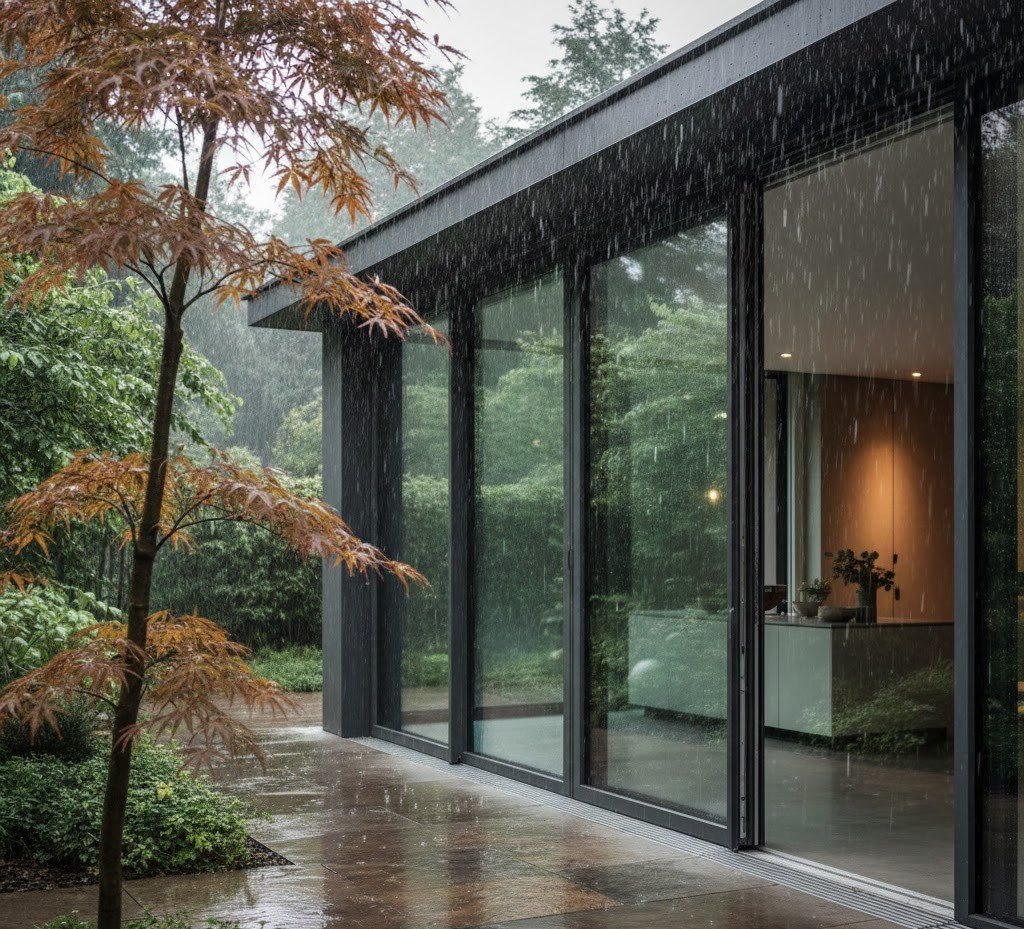
A properly engineered and correctly installed swing sliding door should not leak under normal rain conditions. Leaks typically occur due to installation errors, blocked drainage systems, worn seals, or extreme wind-driven rain that exceeds performance ratings.
Swing sliding doors (also called PD doors) resist rain through compression sealing, internal drainage channels, and threshold design. Water intrusion is usually caused by flashing defects, failed weatherstripping, pressure differential during storms, or neglected maintenance not by the door concept itself.
Key Takeaways:
- Properly installed swing sliding doors resist normal rain but may leak under extreme wind-driven pressure.
- Most leaks result from blocked drainage, failed flashing, worn gaskets, or improper installation.
- Water resistance depends on compression sealing, sill slope, and integrated drainage systems.
- Regular maintenance and correct exposure rating significantly reduce long-term leakage risk.
What Is a Swing Sliding Door?
A swing sliding door is a hybrid system that combines sliding movement with compression sealing. When closing, the panel slides into position and then compresses tightly against gaskets, similar to a hinged door.
This compression mechanism improves air tightness and water resistance compared to standard patio sliders, particularly in systems engineered around multi-point locking and reinforced frame geometry typical of a modern swing sliding door system.
How It Differs From Traditional Sliding Doors
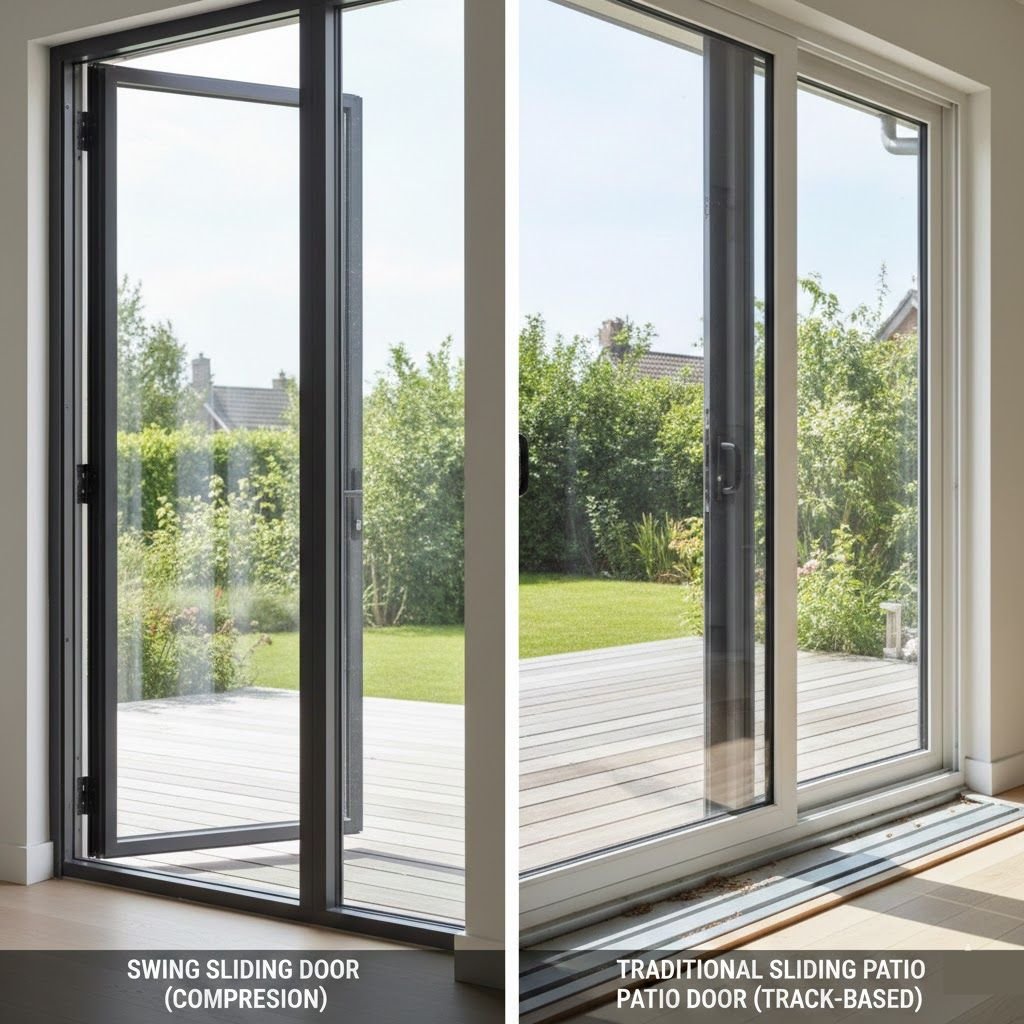
Traditional sliding doors move along tracks without compressing firmly into the frame. Swing sliding doors lock and pull the panel inward to create consistent gasket pressure.
| Feature | Swing Sliding Door | Traditional Sliding Door |
| Closing Mechanism | Slides then compresses | Slides along track |
| Seal Type | Compression gaskets | Brush or sliding seals |
| Air Tightness | Higher | Moderate |
| Water Resistance | Higher (when rated) | Moderate |
| Structural Stability | Strong | Moderate |
Do Swing Sliding Doors Leak in Heavy Rain?
Under typical rainfall, they should not leak if the system is properly rated and installed correctly. Water intrusion is usually linked to installation or maintenance issues rather than product failure.
Improper sill detailing during installation is one of the most common contributors to water intrusion, especially when the flashing layers beneath the threshold are not integrated in the correct sequence during the sill and frame alignment process, which directly affects long-term water management performance.
When core elements function correctly:
- Flashing directs incidental water outward
- Drainage channels remain unobstructed
- Weatherstripping maintains compression
- Threshold slope prevents inward pooling
What Are the Most Common Causes of Swing Sliding Door Leaks?
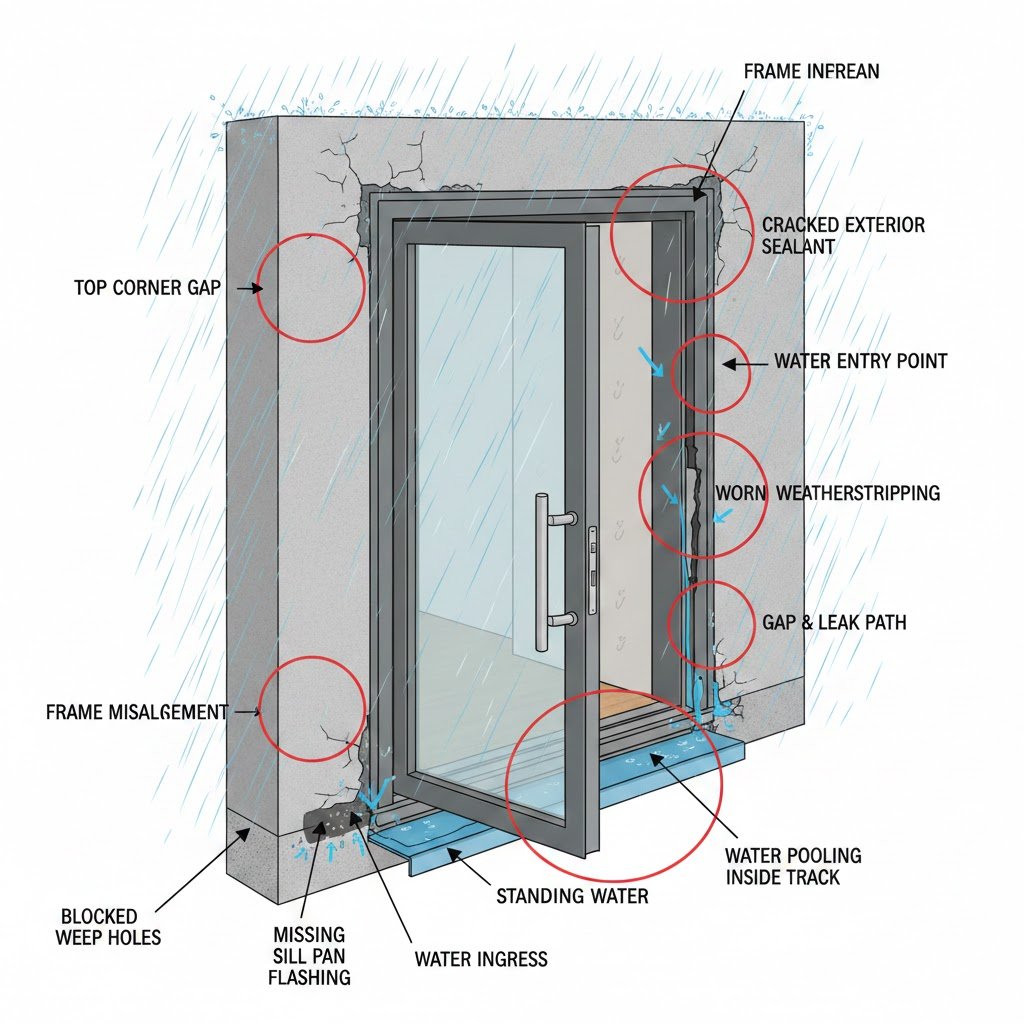
Water entry usually follows a predictable failure mechanism rather than random defects.
Blocked Weep Holes
Drainage channels are designed to collect minor water and redirect it outside. If debris blocks these paths, water accumulates inside the track.
When drainage is obstructed:
- Water pools inside the bottom track
- Overflow reaches the interior threshold lip
- Flooring damage may occur
- Mold risk increases
Routine cleaning prevents most drainage failures.
Missing or Improper Sill Pan Flashing
The sill pan is a concealed protective component beneath the threshold that redirects water outward before it reaches structural framing.
Without proper integration:
- Water migrates under the frame
- Capillary action draws moisture indoors
- Subfloor deterioration may begin
Improper flashing integration often stems from overlooking structural compatibility factors that are typically evaluated during the overall door system assessment, where threshold design and frame interaction directly influence long-term water resistance.
Worn Weatherstripping
Compression gaskets degrade due to UV exposure and seasonal movement.
When seals lose elasticity:
- Compression becomes uneven
- Air infiltration increases
- Wind-driven rain bypasses weakened sections
- Performance gradually declines
Periodic inspection reduces long-term failure risk.
Sealant Failure at the Perimeter
The joint between frame and wall must remain watertight. Exterior sealant deterioration allows wind-driven moisture to penetrate wall cavities.
When moisture spreads beyond the frame and begins affecting adjacent wall assemblies, remediation typically requires the same drainage correction and flashing realignment strategies used in comprehensive window leak repair scenarios, where resolving the source of intrusion is more effective than treating surface damage alone.
What Maintenance Prevents Leakage?
Routine maintenance significantly reduces intrusion risk. Most water problems develop gradually rather than suddenly.
To preserve performance:
- Clean weep holes quarterly
- Remove debris from bottom tracks
- Inspect weatherstripping annually
- Check locking compression
- Examine perimeter sealant
- Lubricate hardware to maintain alignment
Long-term smooth operation and sealing efficiency depend on consistent inspection, cleaning, and hardware adjustment practices that form part of ongoing swing sliding door maintenance,
Are Swing Sliding Doors Suitable for Coastal Areas?
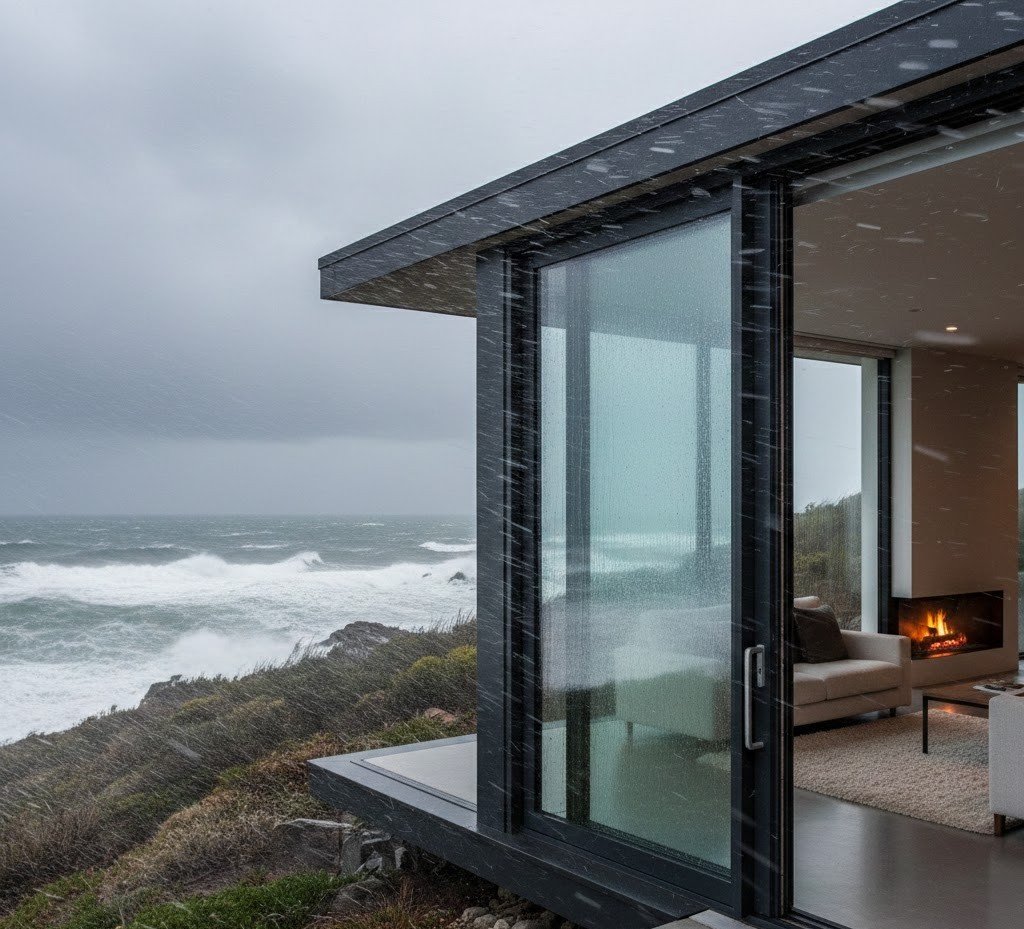
They can perform effectively in high-exposure environments if properly rated and installed to regional standards.
High-pressure exposure zones require:
- Correct performance classification
- Enhanced flashing methods
- Reinforced framing
- Regular inspection
For projects in coastal, high-rise, or wind-exposed environments, performance ratings and installation detailing should be reviewed carefully before final specification. If you need assistance evaluating exposure conditions, selecting the appropriate system configuration, or confirming water resistance classifications, connect with the Oridow support team for project-specific guidance.
Conclusion
Swing sliding doors are engineered to resist rain through compression sealing and controlled drainage. They are not inherently prone to leaking when correctly rated, installed, and maintained.
Most water intrusion cases result from blocked drainage, flashing defects, or deteriorated seals not from the system’s structural design. Understanding pressure dynamics and maintaining installation integrity ensures long-term durability in residential and commercial environments.


