
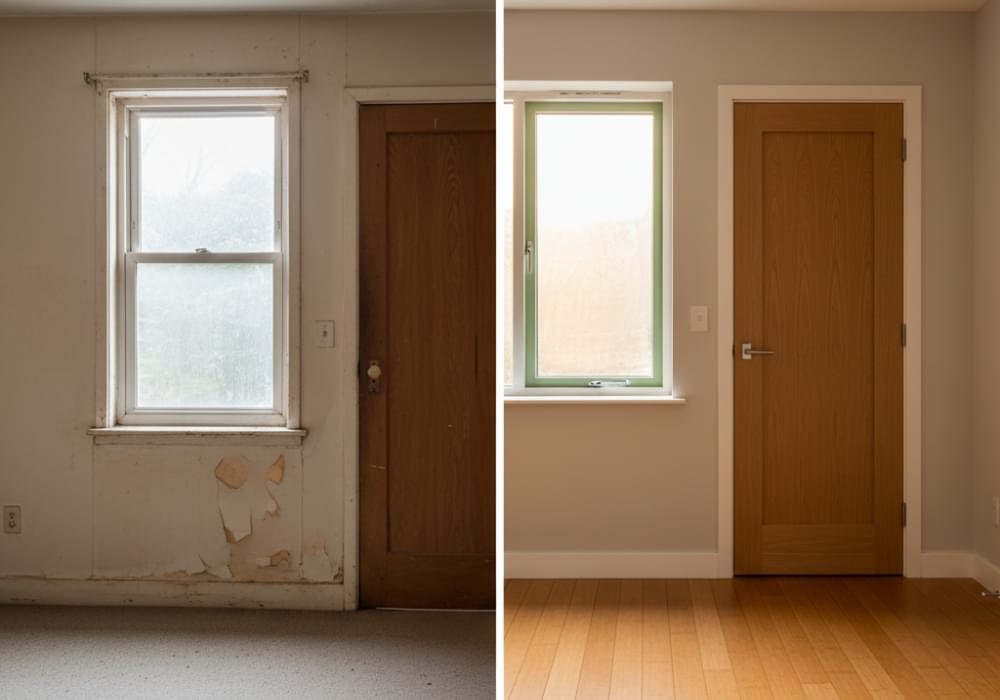
Restoring Your Old Home with uPVC: A family home that has been through generations sees its fair share of happy, sad, and perfect moments, and thus, taking care of that home becomes a must for anyone still living there. Restoring a home takes a lot of money and while it does end up being worth it in the end, facing an empty savings account sometimes takes away the happiness you get when you see your magnificent home towering over you in all its glory.
However, one thing that not a lot of people think of is how they can restore the insides of their homes to the most pristine condition. While magazines and websites boast about the wonderful minimalist designs you can use in your home, not many describe how you can use something to make sure that the inside of your house stays just as perfect as it does on the outside. As a windows and doors manufacturer, Oridow supplies its products to many different homes, offices, and other buildings, but one of the ways through which our customers benefit by using our products is by using them for restoration work. Here’s why.
Using uPVC for Home Restoration
uPVC is known as an energy-saving solution by many because of its thermally efficient units, which allow a homeowner to keep maintenance to a minimal level without worrying about any peeling, rotting, or rust. This can be very useful for old homes since they can become prone to draughts and mold growth over the years.
 Also, since uPVC doors and windows are available in many different colors, they go along with the aesthetic appeal of the house, thus making it look more beautiful without looking out of place. This is a very important factor because even though many doors and windows, which are made of different materials, are available, none can compete with the features that come with using uPVC in homes. Along with maintaining the longevity and functionality of the building, these affordable products also help by looking good.
UPVC windows and doors are also created to withstand any harsh weather elements as well, and from hailstorms to harsh winds, uPVC products help by providing impressive security while maintaining their original condition, which is not something that we can say about the traditional choices one makes for their home’s doors and windows. UPVC doors and windows are a very smart choice and with more people understanding the benefits of the product, they are coming to companies such as Oridow so they can make their old homes live on for a long time.
Restoring Your Old Home with uPVC: A Smart Upgrade
Renovating an old home is about preserving its character while improving comfort, safety, and efficiency. Traditional materials such as wood and steel often struggle to meet modern performance expectations, especially in older buildings. uPVC has emerged as a practical solution that allows homeowners to upgrade functionality without compromising structural integrity or charm. Below are seven smart ways uPVC can transform an old home.
1. Replacing Old Wooden Windows with uPVC for Better Insulation
One of the most impactful upgrades in an old home is replacing aging wooden windows with uPVC systems. Older windows often suffer from warping, cracks, and gaps that allow heat loss and air infiltration. uPVC windows use multi-chamber frames that trap air and reduce heat transfer, significantly improving indoor comfort.
Unlike wood, uPVC does not absorb moisture, swell, or rot over time. This makes it particularly suitable for older homes located in humid, rainy, or cold climates. Modern uPVC window systems can also replicate traditional window styles using wood-grain finishes, allowing homeowners to retain the original aesthetic while upgrading performance.
Most importantly, uPVC window upgrades reduce reliance on heating and cooling systems, making old homes more energy efficient and cost-effective to run throughout the year.
Key benefits:
-
Improved thermal insulation compared to old wooden frames
-
Reduced drafts and heat loss
-
Better sound insulation
-
Moisture and termite resistance
-
Traditional looks achievable with modern finishes
2. Upgrading Exterior Doors for Safety and Weather Protection
Old exterior doors are often one of the weakest points in historic homes. Gaps, worn hinges, and poor sealing can lead to cold drafts, moisture ingress, and security concerns. Replacing outdated doors with insulated uPVC doors offers a strong balance between durability and efficiency.
uPVC doors feature reinforced cores and tight sealing systems that block air leakage and protect interiors from harsh weather. Unlike timber doors, they do not crack or deform due to temperature changes. This makes them ideal for old homes that experience seasonal expansion and contraction.
Modern uPVC doors also integrate advanced locking systems, offering improved security while maintaining a classic design. This upgrade enhances both safety and comfort without major structural changes.
Key benefits:
-
Strong resistance to weather and aging
-
Improved door sealing and insulation
-
Enhanced security features
-
Minimal maintenance requirements
-
Long lifespan compared to traditional doors
3. Improving Energy Efficiency Without Structural Alterations
One major concern when renovating old homes is avoiding intrusive construction. uPVC upgrades allow homeowners to significantly improve energy efficiency without altering walls or foundations. Windows and doors can often be replaced within existing openings, preserving the original structure.
uPVC’s multi-layer design reduces thermal bridging, which is a common problem in old buildings. This prevents heat from escaping during winter and keeps interiors cooler in summer, improving year-round comfort.
For homeowners aiming to modernize gradually, uPVC offers an ideal solution that delivers visible benefits without extensive remodeling.
Key benefits:
-
Energy efficiency without major renovation
-
Reduced heating and cooling costs
-
Improved indoor temperature stability
-
Faster installation compared to traditional materials
-
Suitable for phased renovation projects
4. Reducing Maintenance Burden in Old Homes
Traditional materials demand consistent upkeep. Wooden frames require painting, sealing, and protection from pests, while metal frames can corrode over time. uPVC eliminates most of these maintenance challenges.
Once installed, uPVC requires only basic cleaning to maintain its appearance and performance. This is particularly valuable for older homeowners or heritage properties where frequent maintenance can be costly and inconvenient.
By reducing ongoing upkeep, uPVC allows homeowners to focus on enjoying their space rather than repairing it.
Key benefits:
-
No repainting or polishing required
-
Resistant to rust, rot, and insects
-
Easy cleaning with mild detergent
-
Long-lasting appearance
-
Lower lifetime maintenance costs
5. Preserving Traditional Aesthetics with Modern Materials
A major misconception is that uPVC is unsuitable for old homes due to appearance. Today’s uPVC systems offer design flexibility that blends seamlessly with traditional architecture. From classic sash-style windows to wood-grain finishes, modern uPVC can replicate heritage looks while outperforming original materials.
This balance allows homeowners to preserve the architectural identity of older properties while gaining modern performance advantages.
Key benefits:
-
Wood-grain and classic finish options
-
Custom sizing for old openings
-
Suitable for period-style renovations
-
Maintains architectural harmony
-
Modern performance with traditional appeal
6. Enhancing Noise Reduction in Older Buildings
Many older homes were constructed with minimal sound insulation. External noise easily enters through thin glass and poorly sealed frames. uPVC systems improve noise control through airtight seals and advanced glazing options.
This upgrade is particularly beneficial for old homes located near urban roads, schools, or commercial areas.
Key benefits:
-
Significant reduction in outside noise
-
Improved indoor peace and privacy
-
Suitable for urban renovations
-
Enhanced living comfort
-
Better indoor air quality due to sealed systems
7. Future-Proofing Your Old Home for Modern Living
Restoring an old home is not just about today—it’s about preparing for future needs. uPVC offers durability, recyclability, and compatibility with smart home systems, making it a forward-thinking choice.
Modern uPVC windows and doors can integrate with smart locks, sensors, and energy-monitoring systems, ensuring old homes meet modern living standards without losing their charm.
Key benefits:
-
Long service life (20–30 years)
-
Energy-efficient and sustainable
-
Adaptable to smart home upgrades
-
Increases property value
-
Reduces long-term renovation needs
Sustainable Renovation Materials: Smart Choices for Modern Home Upgrades
Renovating a home today is no longer just about aesthetics or comfort—it’s about making choices that are environmentally responsible, energy efficient, and future-ready. Sustainable renovation materials help reduce environmental impact while improving long-term performance and lowering maintenance and energy costs. Below are three key sections explaining how sustainable materials support smarter renovations.
1. What Are Sustainable Renovation Materials?
Sustainable renovation materials are products designed to minimize environmental harm while delivering durability, efficiency, and safety. These materials are typically energy-efficient, low-maintenance, recyclable, and long-lasting, making them ideal for modern renovations—especially in older homes.
Unlike conventional materials that may rely on excessive natural resources or harmful manufacturing processes, sustainable materials focus on reducing carbon emissions throughout their lifecycle. This includes responsible sourcing, efficient production, long-term use, and recyclability at the end of life.
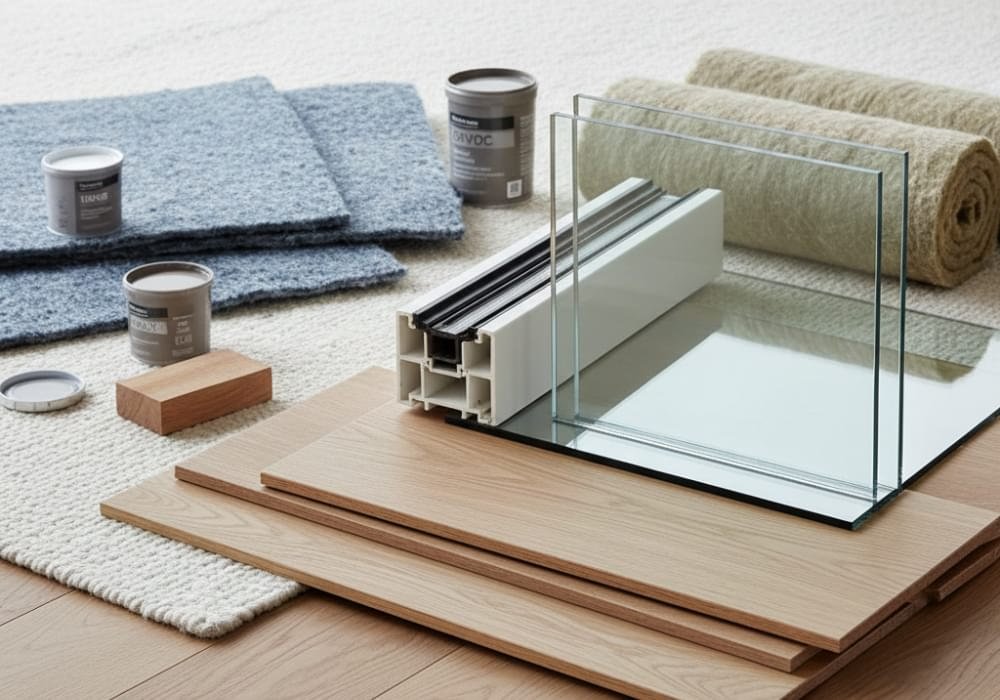
Examples include uPVC windows and doors, recycled insulation, low-VOC paints, engineered wood, and energy-efficient glass systems. These materials not only support environmental goals but also improve indoor comfort and reduce operational costs.
Sustainability in renovation does not require sacrificing style. Many modern eco-friendly materials are designed to blend seamlessly with both traditional and contemporary architecture, making them suitable for a wide range of renovation projects.
2. Benefits of Using Sustainable Materials in Renovation
One of the greatest advantages of sustainable renovation materials is their ability to improve energy efficiency. Materials such as insulated doors, double- or triple-glazed windows, and thermally efficient frames reduce heat loss in winter and heat gain in summer. This leads to lower energy consumption and reduced utility bills.
Another important benefit is long-term durability. Sustainable materials are designed to withstand weather, moisture, and wear, reducing the need for frequent repairs or replacements. This is especially valuable in older homes where maintenance costs can add up quickly.
Sustainable materials also contribute to healthier indoor environments. Low-emission materials reduce indoor air pollution, while sealed window and door systems limit dust, allergens, and moisture intrusion.
Additionally, using eco-conscious materials increases property value. Buyers increasingly look for energy-efficient, low-maintenance homes, making sustainable renovations a strong investment.
3. Key Sustainable Materials for Home Renovation
Several materials stand out as practical and effective options for sustainable renovations:
-
uPVC windows and doors – Offer excellent insulation, long lifespan, recyclability, and minimal maintenance
-
Low-emissivity (Low-E) glass – Reflects heat while allowing natural light, improving energy efficiency
-
Recycled insulation materials – Reduce waste while providing thermal and acoustic comfort
-
Engineered wood products – Use fewer raw resources while offering strength and visual appeal
-
Low-VOC paints and finishes – Improve indoor air quality and reduce harmful emissions
These materials work best when combined as part of a holistic renovation approach. For example, energy-efficient windows paired with insulated doors and proper sealing can dramatically improve a home’s performance.
By choosing sustainable materials, homeowners future-proof their properties, reduce environmental impact, and create more comfortable living spaces without compromising design or function.
Frequently Asked Questions
1. Are sustainable renovation materials really worth the cost?
Yes. While sustainable materials may have a higher upfront cost, they significantly reduce energy bills, maintenance expenses, and replacement frequency over time. This makes them more cost-effective in the long run.
2. What are the most popular sustainable materials for home renovation in 2025?
Some of the most in-demand materials include uPVC windows and doors, Low-E glass, recycled insulation, engineered wood, and low-VOC paints due to their durability and energy efficiency.
3. How do energy-efficient windows impact home value?
Energy-efficient windows increase property value by improving thermal comfort, reducing energy costs, and meeting modern buyer expectations, especially in eco-conscious markets.
4. Can old homes be renovated to meet modern energy standards?
Yes. Older homes can be upgraded through window and door replacements, insulation improvements, and air sealing, achieving modern energy efficiency without structural changes.
5. Are uPVC windows environmentally friendly?
uPVC windows are considered eco-friendly due to their long lifespan, recyclability, and energy-saving insulation, which reduces overall environmental impact during use.
6. What renovation upgrades provide the fastest energy savings?
Sealing air leaks, upgrading doors and windows, switching to insulated glazing, and improving insulation provide immediate and visible energy savings.
7. How do renovation trends focus on future-proofing homes?
Modern renovation trends emphasize smart home integration, sustainable materials, thermal efficiency, and low maintenance, ensuring homes remain energy-efficient and functional for years to come.


