


- Gas strut windows use pressurised nitrogen-filled struts to counterbalance the glass panel, enabling smooth, stable, upward opening.
- Proper gas strut strength is calculated using window weight, size, hinge placement, and opening angle to ensure balanced operation.
- High-quality aluminum frames, corrosion-resistant struts, and correct installation ensure durability, safety, and energy efficiency
Gas strut windows are increasingly shaping modern architecture across Australia, the UK, and the USA. You’ll often see them in alfresco kitchens, cafés, and contemporary living spaces where openness and usability matter. Their popularity comes from how easily large glass panels can be lifted while remaining stable and safe.
Understanding how these systems work helps you make better design and purchasing decisions. Once you know the mechanics behind gas strut windows, their practical and architectural value becomes clear.
What Is a Gas Strut Window?
A gas strut window is a window system that opens upward or outward using pressurised gas-filled struts rather than traditional friction hinges. The struts counterbalance the weight of the window, allowing smooth movement and hands-free holding once open.
In most modern applications, these systems are engineered as part of advanced window systems designed for large openings and seamless indoor-outdoor transitions.
Core components include:
- An aluminum-framed glazed panel
- One or more nitrogen-filled gas struts
- Structural hinges or pivots
- Locking and weather-sealing hardware
How Do Gas Strut Windows Work Mechanically?
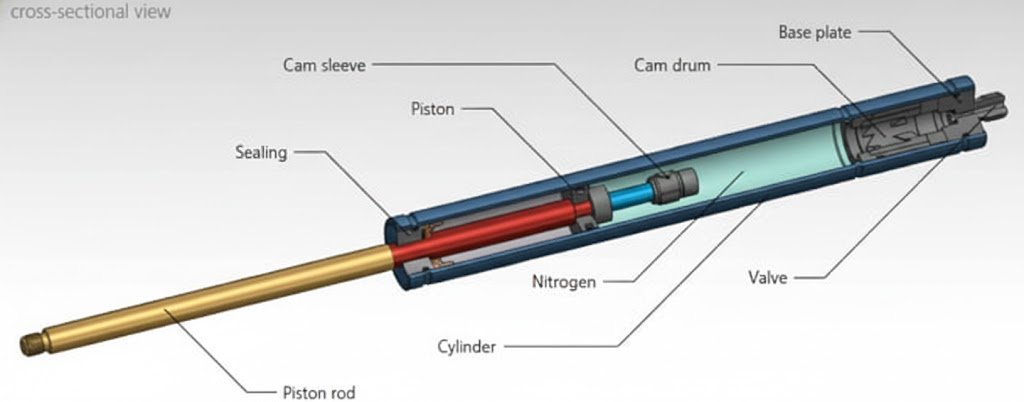
Gas strut windows rely on controlled internal pressure and leverage. When you start opening the window, the struts immediately assist and regulate the movement.
The mechanical process works like this:
-
Nitrogen gas is sealed under pressure inside the strut
-
As the window lifts, the piston rod extends
-
Internal pressure offsets the glass weight
-
Oil damping controls speed and stability
-
The window remains supported at full extension
This is the same principle used in specialised gas strut designs found in both residential and commercial glazing systems.
What Are Gas Struts Made Of and Why Does It Matter?
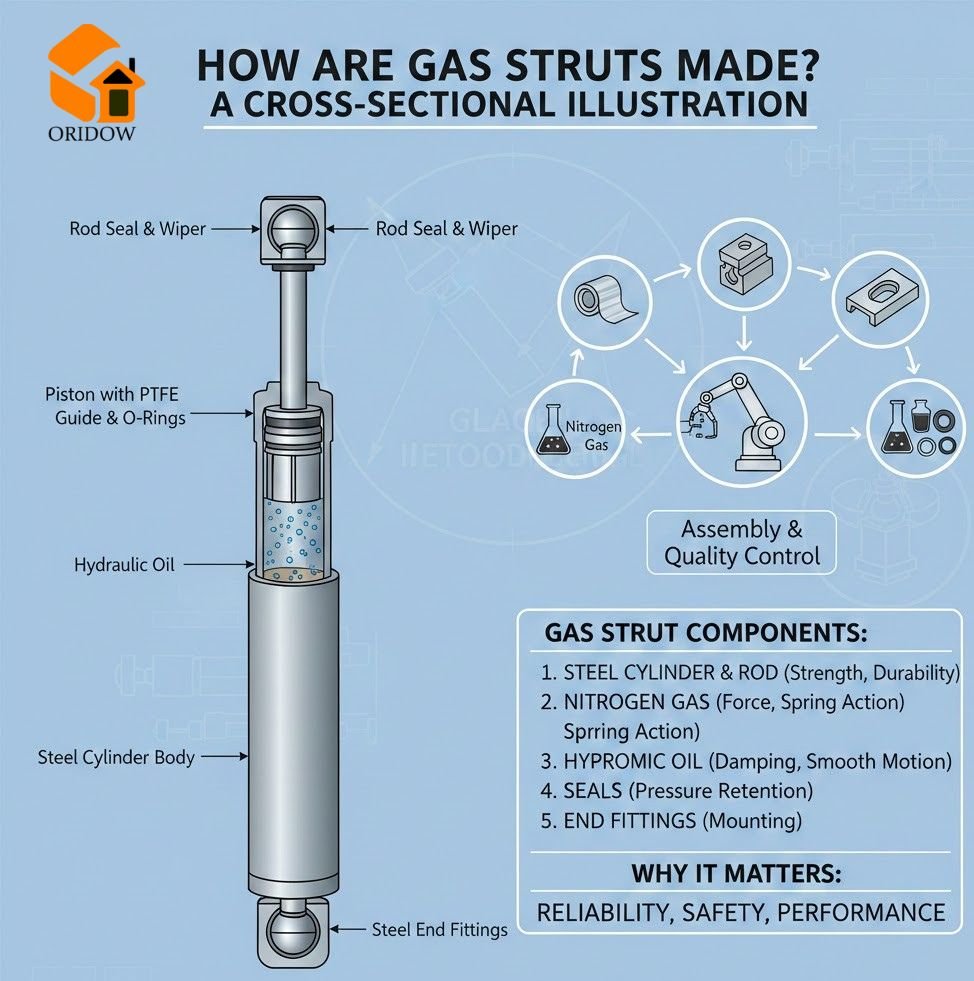
Material quality plays a major role in performance, especially in outdoor installations.
Most premium gas struts include:
-
Steel or stainless steel cylinders
-
Hardened piston rods
-
Sealed nitrogen chambers
-
Internal oil for smooth motion
-
Corrosion-resistant end fittings
In climates like coastal Australia or damp regions of the UK, corrosion resistance is essential. Well-manufactured struts are typically rated for 50,000 to 100,000 opening cycles under normal conditions.
What Opening Systems Are Used in Gas Strut Windows?
Gas strut windows can be configured in several ways depending on the space and usage.
Top-Hinged Awning Openings

This is the most common configuration.
-
Hinged at the top
-
Opens outward and upward
-
Provides rain and sun protection
-
Common in kitchens and serving counters
This style is particularly popular in outdoor spaces where airflow and weather control are both important.
Side-Hinged Lift Openings
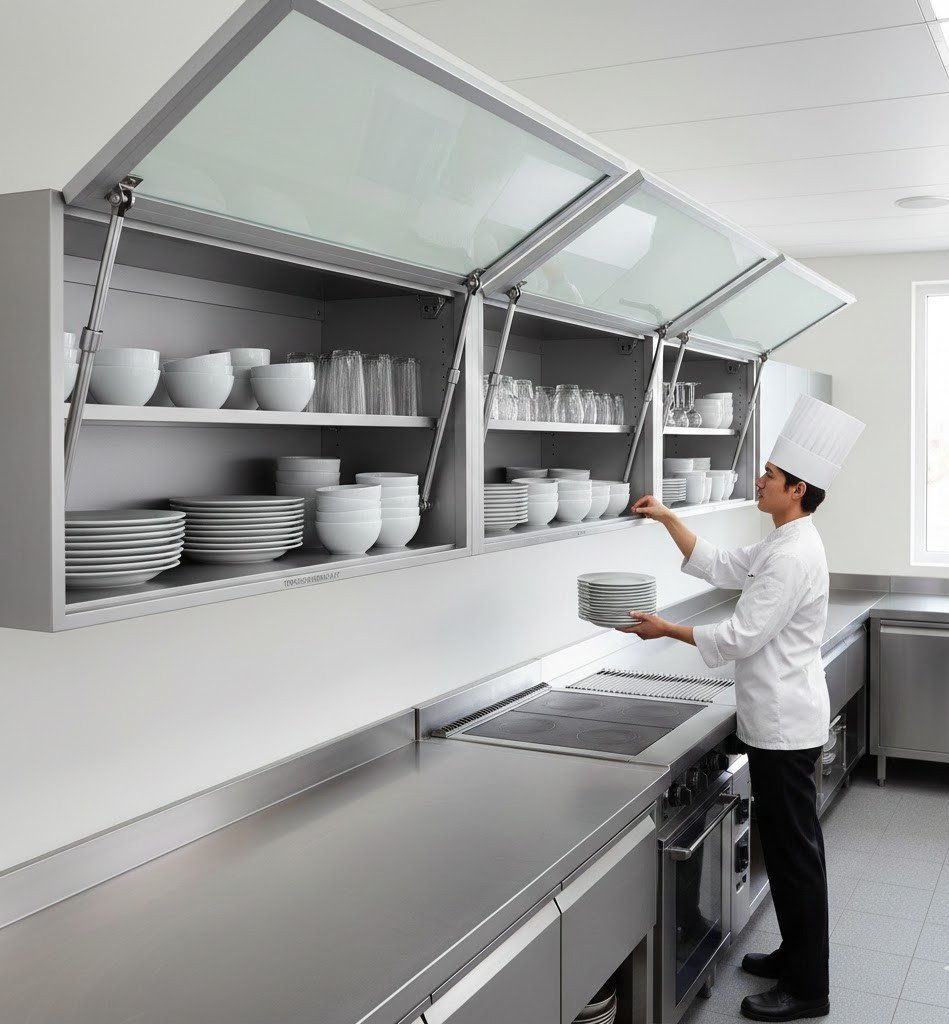
Designed for compact layouts.
-
Hinged on one side
-
Opens outward with strut assistance
-
Requires less overhead clearance
Parallel Opening Systems
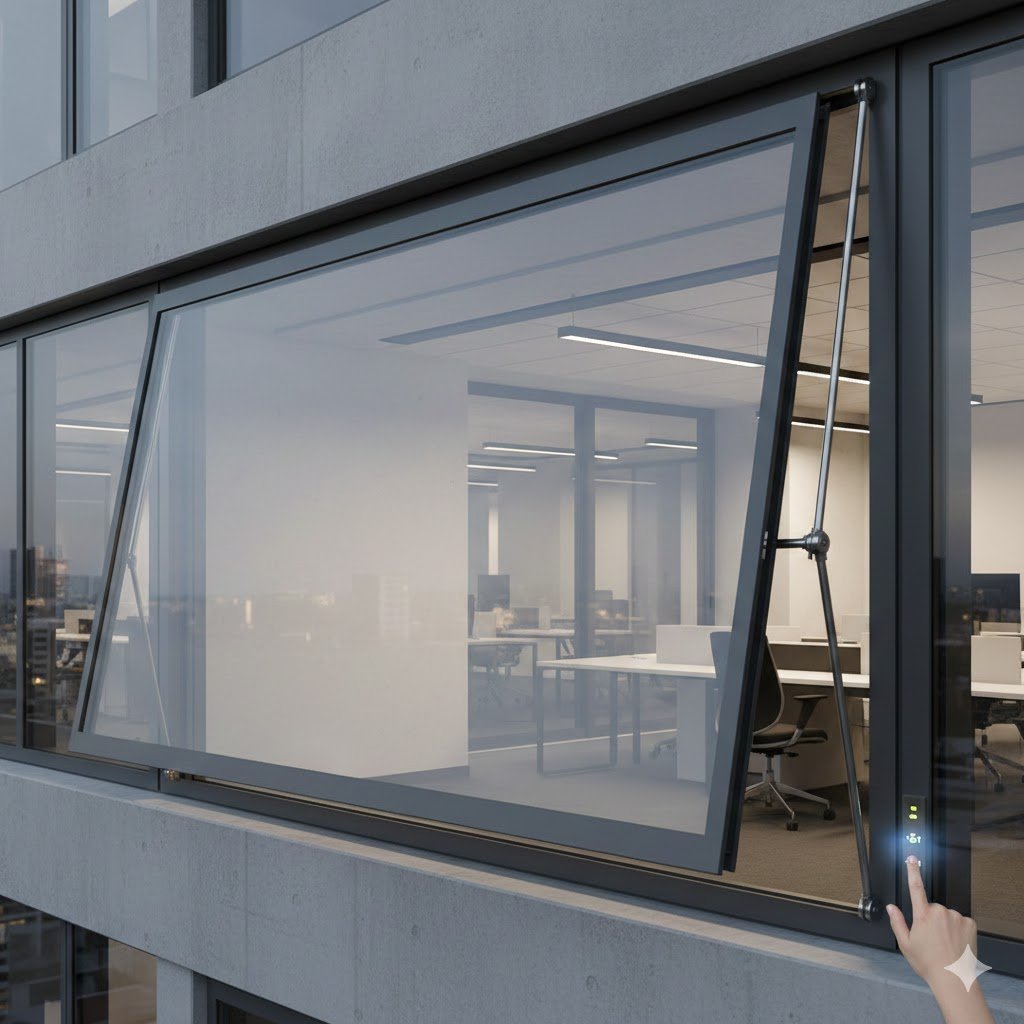
Used in architectural designs.
-
The window moves outward evenly
-
Maintains parallel alignment
-
Creates a high-end visual effect
Each system requires accurate engineering to ensure balanced operation and safety.
How Do Gas Strut Windows Stay Open Safely?
One of the biggest advantages of gas strut windows is safety.
The struts:
-
Support the full window weight
-
Eliminate the need for manual props
-
Prevent slamming in windy conditions
-
Allow controlled, gradual closing
This reliability is why gas strut windows are widely used in cafés and commercial environments throughout the USA and UK.
How Are Gas Strut Windows Different From Traditional Windows?
Traditional windows depend on tracks, friction stays, or manual locking arms. Gas strut windows use pressure-assisted lifting, which changes how the window behaves.
Key differences include:
-
One-handed operation
-
Clear, unobstructed openings
-
Stronger structural support
-
Cleaner architectural lines
These benefits make gas strut windows a preferred option over sliding or casement designs in modern builds.
How Is the Correct Gas Strut Strength Selected?
Choosing the right strut strength is critical. Too much force makes closing difficult. Too little force causes sagging.
Strut calculations are based on:
-
Window size and weight
-
Glass thickness and type
-
Aluminum frame mass
-
Opening angle and hinge placement
Correct sizing ensures smooth operation, which is why following a professional installation process is essential for long-term performance.
Are Gas Strut Windows Energy Efficient?
When properly designed, gas strut windows can support energy efficiency goals.
Look for systems with:
-
Thermally broken aluminum frames
-
Double or low-E glazing
-
Tight compression seals
-
Precision closing alignment
These features help retain warmth in the UK and reduce heat gain in Australia and the USA.
How Do You Maintain Gas Strut Windows?
Gas strut windows require minimal upkeep, but routine care extends their lifespan.
Recommended practices include:
-
Cleaning exposed strut rods
-
Checking seals and hinges annually
-
Avoiding forced closing
Following proper maintenance steps helps preserve smooth operation and safety.
Why Oridow Is the Right Supplier for Aluminum Gas Strut windows
Choosing the right supplier affects how your gas strut windows perform, last, and integrate with the rest of your project. Oridow focuses on engineered systems rather than generic window components, which makes a measurable difference in real-world use.
Why Oridow stands out:
-
Precision engineering
Gas strut force is accurately calculated to match window size, weight, and opening angle for smooth, controlled operation. -
High-grade aluminum frames
Strong, corrosion-resistant profiles designed for outdoor use in Australia, the UK, and the USA. -
System compatibility
Gas strut windows integrate seamlessly with Oridow’s broader window systems for consistent performance and appearance. -
Safety-focused design
Windows remain stable when open, resist sudden movement, and close in a controlled manner. -
Climate-ready performance
Engineered to handle heat, moisture, and wind without compromising operation. -
Technical support
Clear guidance from the specification through installation and long-term use.
For residential or commercial projects where reliability, safety, and refined design matter, Oridow provides aluminum gas strut windows you can trust.
Key Alert Before Choosing Gas Strut Windows
Before committing to a system, remember:
-
Gas strut windows rely on pressure balance
-
Opening style affects usability
-
Material quality impacts longevity
-
Climate influences design choices
-
Professional installation is essential
Making informed decisions early prevents long-term issues.
Final Thoughts
Gas strut windows work because they combine physics, engineering accuracy, and practical design. When done right, they deliver smooth operation, safety, and modern appeal.
If you’re planning a project and need expert guidance on selecting the right solution, speaking with specialists makes a real difference. For technical advice or tailored recommendations, you can connect with the Oridow support team who understand both performance and design.
Frequently Asked Questions
How long do gas strut windows last?
High-quality systems typically last 10–20 years, depending on usage and environment.
Can gas strut windows be automated?
Yes. Some designs integrate electric actuators for hands-free operation.
Are gas strut windows suitable for coastal areas?
Yes, when marine-grade aluminum and corrosion-resistant struts are used.
Do gas strut windows meet building regulations?
Properly engineered systems can comply with codes in Australia, the UK, and the USA.


