

If you’ve ever opened a casement window to let in fresh air—only to worry about insects, dust, or compromised airflow—you already understand why casement window screens matter. What many homeowners don’t realize, however, is how dramatically these screens have evolved over the years.
Today’s casement window screens are no longer an afterthought. They are engineered for precision fit, airflow efficiency, durability, and design compatibility, making them a critical component of modern window systems.
Let’s explore how casement window screens have evolved, why the perfect fit matters more than ever, and what future trends you should be paying attention to as a homeowner or builder.
What Are Casement Window Screens?
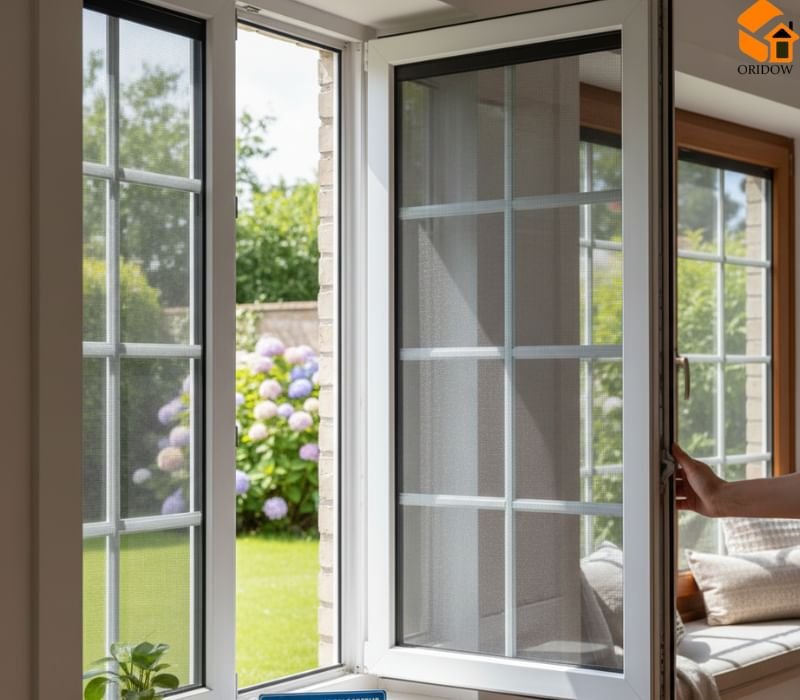
Casement window screens are specially designed insect and debris screens that pair with outward-opening casement windows. Unlike sliding-window screens, they must accommodate the window’s swing while maintaining airflow, visibility, and protection.
In one sentence:
Casement window screens allow you to enjoy ventilation and clear views while keeping insects and outdoor pollutants out—without interfering with how the window opens.
That balance is exactly what has driven their evolution.
Why Casement Window Screens Needed to Evolve?
Casement windows themselves evolved for better ventilation and tighter seals. Screens, however, lagged behind for years.
Early casement screens often suffered from:
-
Poor fitting
-
Limited airflow
-
Awkward installation
-
Reduced visibility
-
Difficult removal for cleaning
As homes became more energy-efficient and design-focused, screens had to catch up.
Manufacturers—including modern brands like Oridow, focused on precision engineering—began rethinking how screens integrate with casement window systems rather than simply attaching to them.
Functional and Aesthetic Benefits of Casement Window Screens
The primary benefit of casement window screens is their ability to offer superior ventilation while blocking out pests. This feature is particularly beneficial during warmer months, allowing fresh air to enter the home without the inconvenience of insects.
Furthermore, casement window screens contribute significantly to the aesthetic appeal of windows. They are designed to blend seamlessly with the window frame, maintaining the home’s exterior beauty.
High-quality materials ensure durability and longevity, making casement window screens a worthwhile investment for any property.
Material and Design Varieties
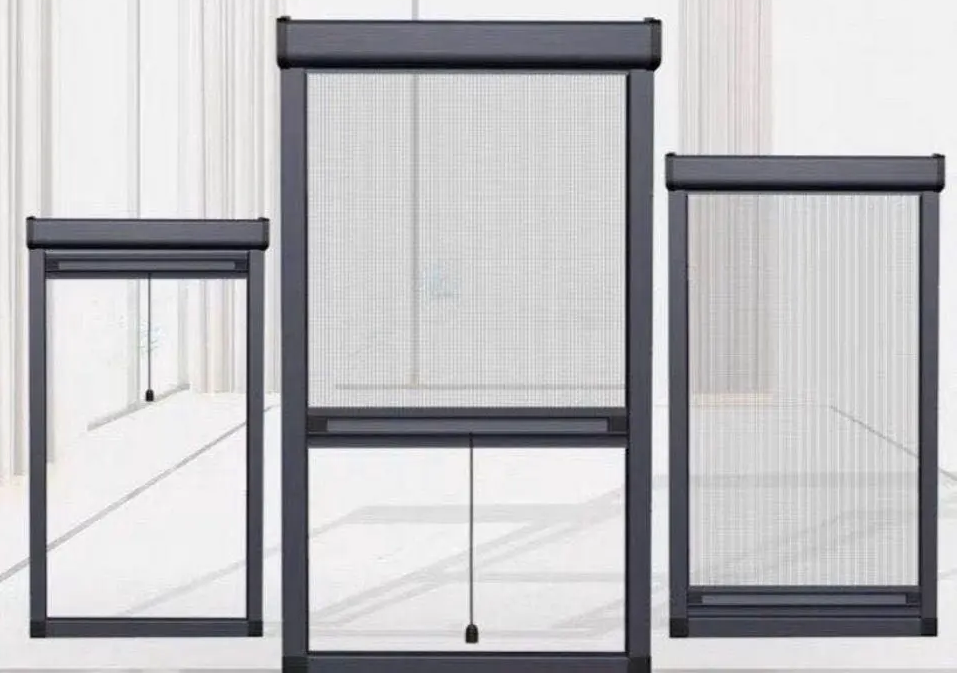
One of the most notable advancements in casement window screen technology is the introduction of the retractable screen.
The retractable screen has become the standard for casement windows, offering a convenient solution that can open from left to right or top to bottom. This versatility makes it suitable for both uPVC and aluminum casement windows.
Made of an aluminum profile with fiberglass mesh, the retractable screen is durable and customizable to match specific design requirements.
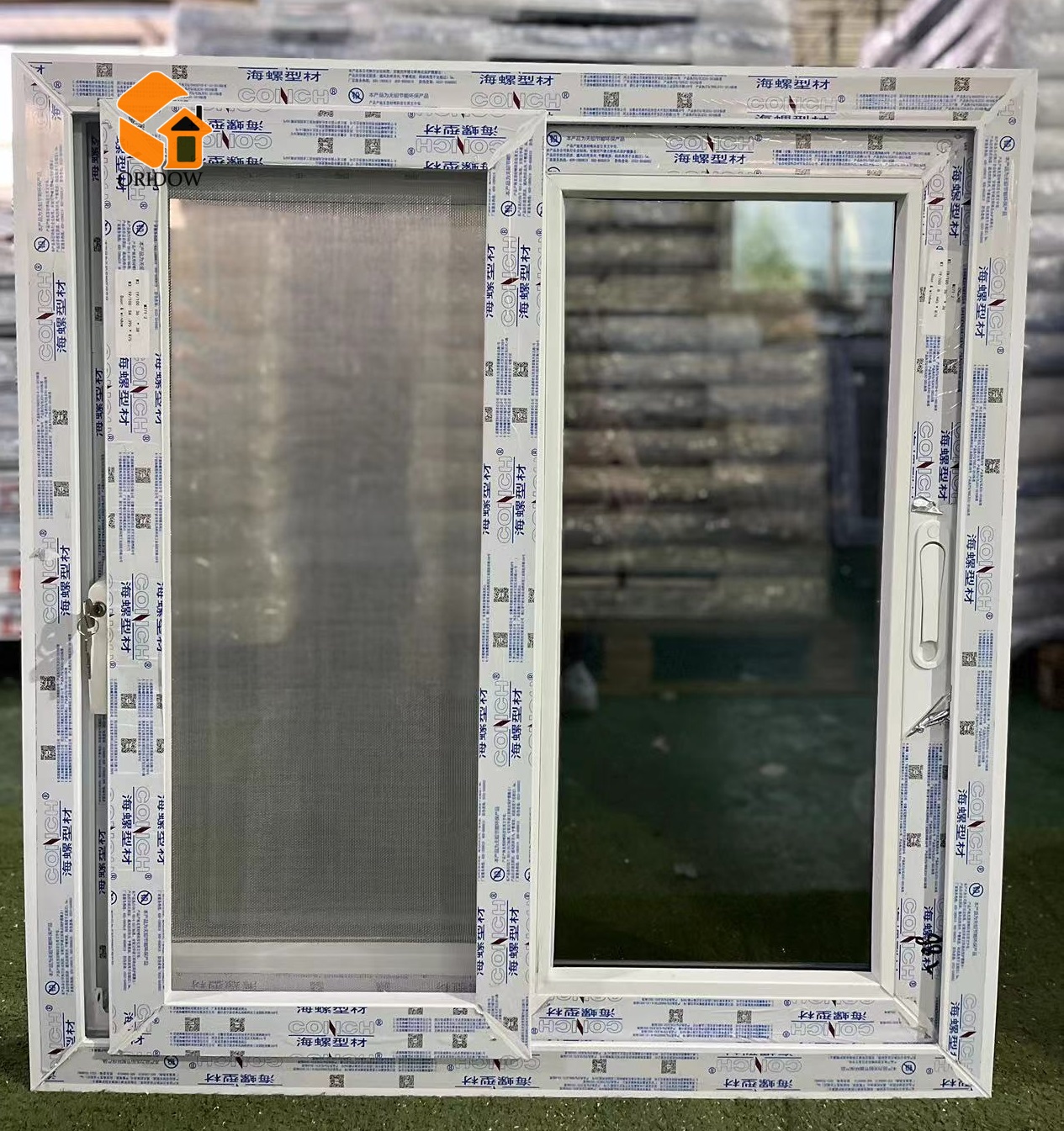
Additionally, the option to install an integrated screen is available for those with aluminum casement windows. This innovative design allows the screen and glass sash to open in opposite directions, enhancing functionality without compromising style.

The combination of aluminum profiles and fiberglass mesh in these screens offers a perfect balance of strength and visibility, ensuring that views remain unobstructed while keeping pests out.
Installation and Maintenance Tips
Installing casement window screens can be straightforward but requires precision to ensure optimal functionality. For retractable screens, measuring the window frame accurately is crucial to achieve a snug fit.
Ensuring the screen operates smoothly along its tracks is also essential for long-term satisfaction.
Maintenance of casement window screens typically involves regular cleaning to remove debris and dust, which can be done with a soft brush or a vacuum with a brush attachment.
Checking the integrity of the mesh and the smooth operation of the screen should also be part of routine maintenance.
Market Insights and Customer Preferences
Recent market trends indicate a growing preference for casement window screens among homeowners and commercial property owners.
The demand for retractable and integrated screens is rising, driven by their convenience, aesthetic appeal, and the added value they bring to properties.
Customers are increasingly looking for customizable options that match their specific design preferences, making the availability of different materials and designs a critical factor in their purchasing decisions.
Energy Efficiency and Environmental Impact
Casement window screens play a significant role in enhancing the energy efficiency of homes and buildings. By allowing natural ventilation, they reduce the reliance on air conditioning, leading to significant energy savings and a lower carbon footprint.
Moreover, the materials used in casement window screens, such as aluminum and fiberglass, are durable and recyclable, contributing to environmental sustainability.
The design of these screens also minimizes light obstruction, maximizing natural light and reducing the need for artificial lighting during the day.
Why Evolution Matters for the Perfect Fit?
The evolution of casement window screens reflects a broader truth in modern home design: everything must work together.
Today’s best screen solutions are:
-
Precision-made
-
Design-conscious
-
Performance-driven
Brands like Oridow, built around modern window and door systems, understand that the perfect fit isn’t optional—it’s the foundation of comfort, efficiency, and satisfaction.
As technology advances and homes demand more, casement window screens will continue evolving—but the goal remains the same: clean air, clear views, and effortless living.
Future Trends in Casement Window Screen Technology
Casement window screen technology is evolving rapidly as homes become smarter, more energy-efficient, and design-focused. What was once a simple insect barrier is now considered an integrated part of the window system, expected to deliver performance, durability, aesthetics, and sustainability. Let’s look at the key trends shaping the future of casement window screens and what they mean for homeowners, builders, and architects.
Smarter, Integrated Screen Systems
One of the biggest shifts is the move toward system-integrated screens rather than add-on accessories. Future casement window screens are being designed alongside the window itself, ensuring perfect compatibility with hinges, handles, and opening mechanisms.
-
Screens engineered as part of the window frame
-
Better alignment with outward-opening casement designs
-
Reduced installation errors and longer service life
This integration improves airflow efficiency and ensures the screen never interferes with window operation.
Advanced Mesh Technology for Better Performance
Mesh innovation is driving major improvements in comfort and usability. Future casement window screens focus on balancing airflow, visibility, and strength.
-
High-transparency mesh for clearer outdoor views
-
Improved airflow without increasing insect entry
-
Stronger, thinner fibers for longer durability
-
Enhanced pet-resistant and tear-resistant options
These developments respond to homeowner demand for ventilation without compromise.
Retractable and Minimal-Profile Designs
Design-focused homes are pushing screen technology toward low-visibility and retractable solutions. Retractable casement screens allow homeowners to use screens only when needed, preserving clean window aesthetics.
-
Screens that retract fully out of sight
-
Ultra-slim frames that visually disappear
-
Smooth, quiet operation for daily convenience
This trend is especially popular in modern, luxury, and coastal homes.
Sustainability and Eco-Conscious Materials
Sustainability is becoming central to window accessory design. Future casement window screens are increasingly made using environmentally responsible materials and processes.
-
Recyclable aluminum frames
-
Longer-life mesh to reduce waste
-
Modular designs allow mesh replacement instead of full disposal
-
Low-VOC finishes and coatings
As green building standards tighten globally, sustainable screen solutions are becoming a necessity rather than a premium option.
Smart Home and Automation Compatibility
The next generation of casement window screens will align with smart home ecosystems. While still emerging, this trend is gaining traction in high-performance housing.
-
Screens optimized for automated casement windows
-
Sensors monitoring airflow or wear
-
Maintenance reminders integrated with smart home systems
This shift moves screen maintenance from reactive to predictive.
Enhanced Durability for Changing Climates
With increased UV exposure, pollution, and extreme weather, future casement window screens are being engineered for harsher environments.
-
Improved UV-resistant coatings
-
Corrosion-resistant materials for coastal zones
-
Stronger frames to handle wind and pressure changes
Durability is now a major design priority.
Conclusion
Casement window screens have revolutionized how we experience comfort and convenience in our living and working spaces.
Whether through retractable screens for enhanced versatility or the integration of screens for seamless design, these innovations have made casement windows more functional and appealing than ever before.
Whether you’re a builder, wholesaler, or distributor, now is the time to embrace the advancements in casement window screens.
Don’t miss out on enhancing your projects with the latest casement window screen technology.
Contact us at oridow today to explore our range of customizable, high-quality casement window screens and find the perfect solution for your needs.
Let’s build a more comfortable and sustainable future together.
Faq
Can casement windows have screens?
Yes. Casement windows use specially designed screens that accommodate outward opening while maintaining airflow, insect protection, and clear visibility.
Where are screens placed on casement windows?
They are typically installed on the interior side, but retractable or external options exist depending on window design and home layout.
Are retractable casement window screens worth it?
For homeowners focused on aesthetics and flexibility, retractable screens offer excellent value with minimal visual impact.
Can casement window screens be custom-made?
Absolutely. Custom measurement ensures a perfect fit, better airflow, and longer lifespan—now considered an industry standard.
Do casement screens affect energy efficiency?
Indirectly, yes. Proper airflow and tight sealing support better indoor comfort and ventilation strategies.


