

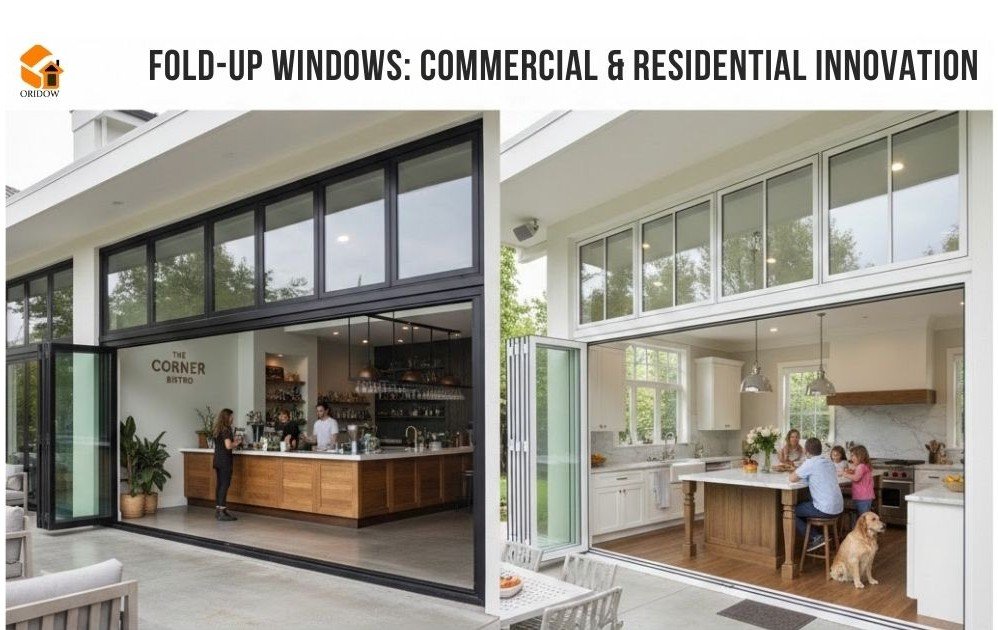
Fold-up windows are operable window systems that lift upward and stack overhead, allowing wide wall openings without obstructing interior or exterior space. Unlike sliding or swinging windows, they create a clean, uninterrupted connection between indoors and outdoors while supporting airflow, daylight, and flexible layouts.
As design continues to shift toward openness and adaptability, fold-up windows are no longer considered specialty features. They are practical architectural elements used in both residential and commercial spaces where function, experience, and efficient use of space matter.
Key Takeaways:
Why Fold-Up Windows Are Increasingly Used in Modern Design
Across residential and commercial projects, designers are prioritizing flexibility and user experience. Homeowners want spaces that support entertaining and everyday living. Businesses want layouts that adapt to traffic flow, seasons, and customer interaction.
Fold-up windows deliver on both fronts by offering:
- Full-width openings without door swing clearance
- Vertical operation that preserves usable floor space
- Better airflow compared to traditional window systems
- Strong visual connection without permanent openness
These characteristics make fold-up windows well suited for repeated daily use in both private and public-facing environments.
Residential Applications of Fold-Up Windows
In homes, fold-up windows are most effective when they support how people live, cook, gather, and relax.
Kitchen Pass-Through Windows
The kitchen is the most common residential application. Fold-up windows installed above counters or islands create a seamless service opening to patios, decks, or outdoor kitchens.
Homeowners value them for:
- Easy food and drink transfer during gatherings
- Improved ventilation while cooking
- Increased natural light over sinks and prep areas
Because kitchens experience moisture and frequent operation, long-term reliability depends on consistent window maintenance rather than appearance alone.
Dining and Entertaining Spaces
Dining rooms and breakfast areas benefit from fold-up windows that connect directly to outdoor seating zones. Since panels lift vertically, furniture placement and walking paths remain uninterrupted.
These windows are well suited for:
- Covered patios
- Courtyard-facing dining rooms
- Homes designed for year-round entertainment
The result is a space that transitions easily between enclosed comfort and open-air dining.
Garage-to-Living Space Conversions
Garage conversions continue to grow in popularity, and fold-up windows play a key role in making these spaces feel intentional and livable.
When paired with modern systems from a curated product range, converted garages gain ventilation, daylight, and a strong architectural focal point rather than feeling like repurposed storage.
Commercial Applications of Fold-Up Windows
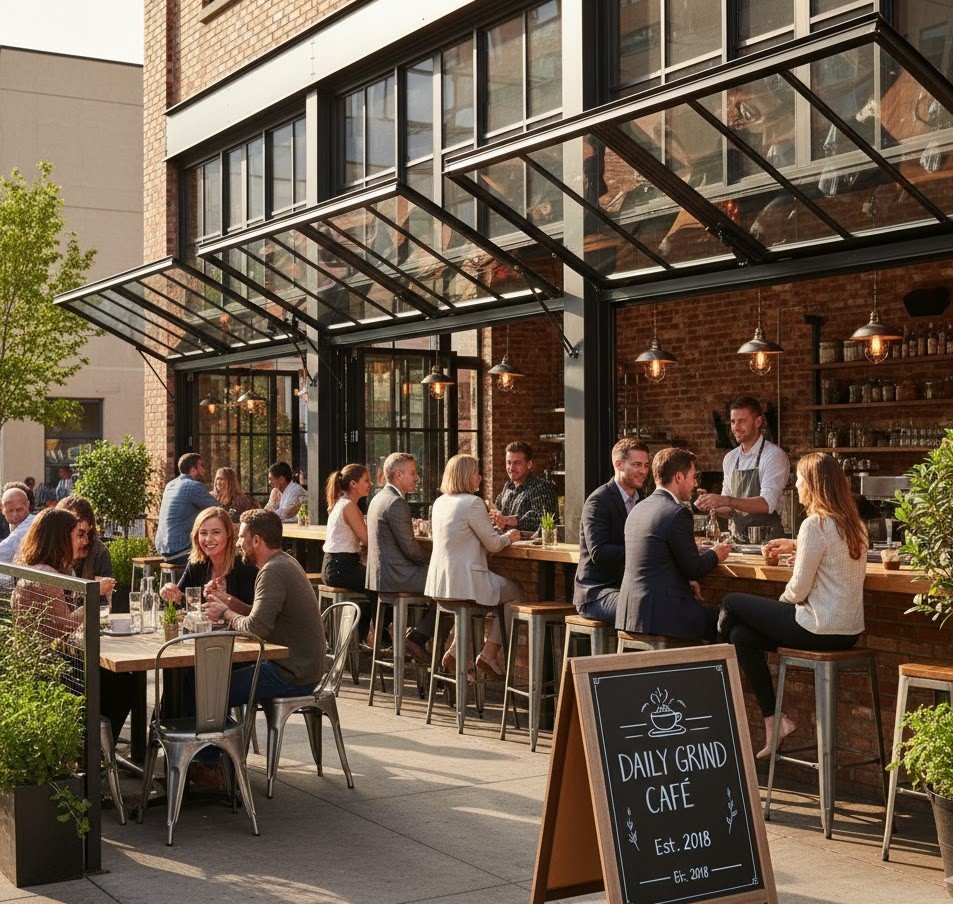
In commercial settings, fold-up windows are used as functional tools for engagement, circulation, and service efficiency.
Restaurants and Cafés
Restaurants use fold-up windows to blur the boundary between indoor dining and patios or sidewalks. Entire wall sections can open during peak hours, increasing capacity without expanding square footage.
Common uses include:
- Indoor-outdoor dining transitions
- Street-facing service openings
- Open-kitchen visibility
This flexibility allows operators to respond to weather and demand without altering the core layout.
Bars and Breweries
Fold-up windows are especially effective in bars and breweries, where airflow, service speed, and crowd movement are critical.
They are commonly installed for:
- Walk-up bar service
- Patio-facing taprooms
- Ventilation in high-occupancy areas
Because panels stack overhead, they stay clear of customers and staff during busy periods.
Retail Storefronts
Retail environments benefit from visibility and interaction. Fold-up windows turn static storefronts into engaging touchpoints with passing foot traffic.
Retailers use them for:
- Product pickup windows
- Market-style displays
- Temporary sales counters
This approach supports evolving retail models without repeated construction.
Residential vs Commercial Use: Key Differences
While fold-up window systems may look similar across applications, usage demands differ significantly.
| Feature Consideration |
Residential Use |
Commercial Use |
| Frequency of operation | Moderate, daily household use | High-cycle, repeated daily use |
| Primary objective | Comfort and lifestyle | Service efficiency and engagement |
| Noise control | Important | Secondary |
| Durability requirements | Standard | Heavy-duty |
| Code compliance | Residential building codes | Commercial and safety codes |
Understanding these differences helps ensure the system specifications match real-world use.
Why Fold-Up Windows Work Across Multiple Environments
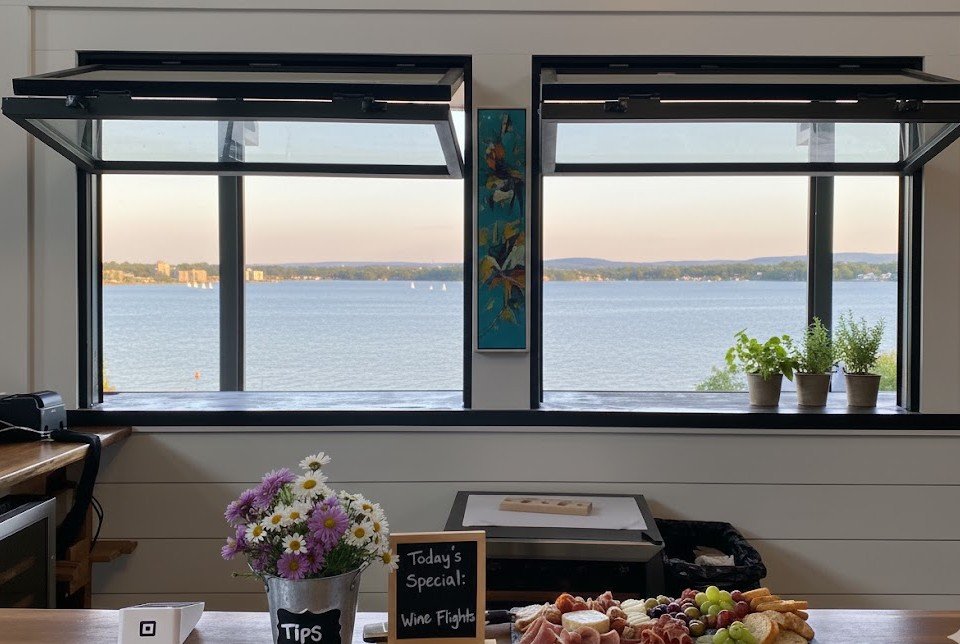
What sets fold-up windows apart is their balance of performance, adaptability, and visual clarity.
Key advantages include:
- Vertical stacking that maximizes usable space
- Wide openings that enhance airflow and daylight
- Durable construction suitable for repeated use
- A consistent design language for homes and businesses
Performance improves when owners and operators understand realistic care expectations from the start, especially in high-use environments.
Why Oridow Stands Out for Residential and Commercial Fold-Up Windows
When it comes to fold-up window systems, not all manufacturers approach performance, design, and real-world use the same way. Oridow stands out by engineering fold-up windows specifically for environments that demand frequent operation, long-term reliability, and architectural precision.
What differentiates Oridow is a focus on:
- Purpose-built systems for both residential and commercial use
- Structural engineering that supports wide openings without compromising performance
- Clean, modern aesthetics that integrate seamlessly into kitchens, storefronts, and service areas
- Proven experience across restaurants, homes, retail, and hospitality projects
For homeowners, architects, or business owners looking to apply fold-up windows confidently and correctly, connecting with the Oridow contact team is a practical first step toward a well-executed solution.
Final Thoughts
Fold-up windows have transitioned from architectural trend to proven design solution. Their ability to open entire wall sections while preserving function and structure makes them valuable across residential and commercial environments.
When selected with the right specifications and maintained properly, they contribute to better spaces rather than simply better-looking ones.
Frequently Asked Questions
Are fold-up windows practical for everyday residential use?
Yes. Many homeowners use fold-up windows daily in kitchens and dining areas without operational issues.
Can fold-up windows be added to existing buildings?
In many cases, yes. Structural review may be required for larger openings, particularly in renovations or commercial retrofits.
Do fold-up windows make sense for commercial businesses?
Absolutely. Restaurants, bars, and retail spaces widely use them to improve service flow and customer experience.
How long do fold-up windows last?
With quality construction and routine care, high-performance fold-up windows can last for decades.
Do fold-up windows work in cold or mixed climates?
Modern fold-up windows are designed with insulated glazing and weather seals, making them suitable for colder regions when closed, while still offering flexibility during warmer seasons.
Are fold-up windows safe for commercial use?
Yes. Commercial-grade systems are engineered for frequent operation, code compliance, and use in high-traffic environments such as restaurants and retail spaces.


