

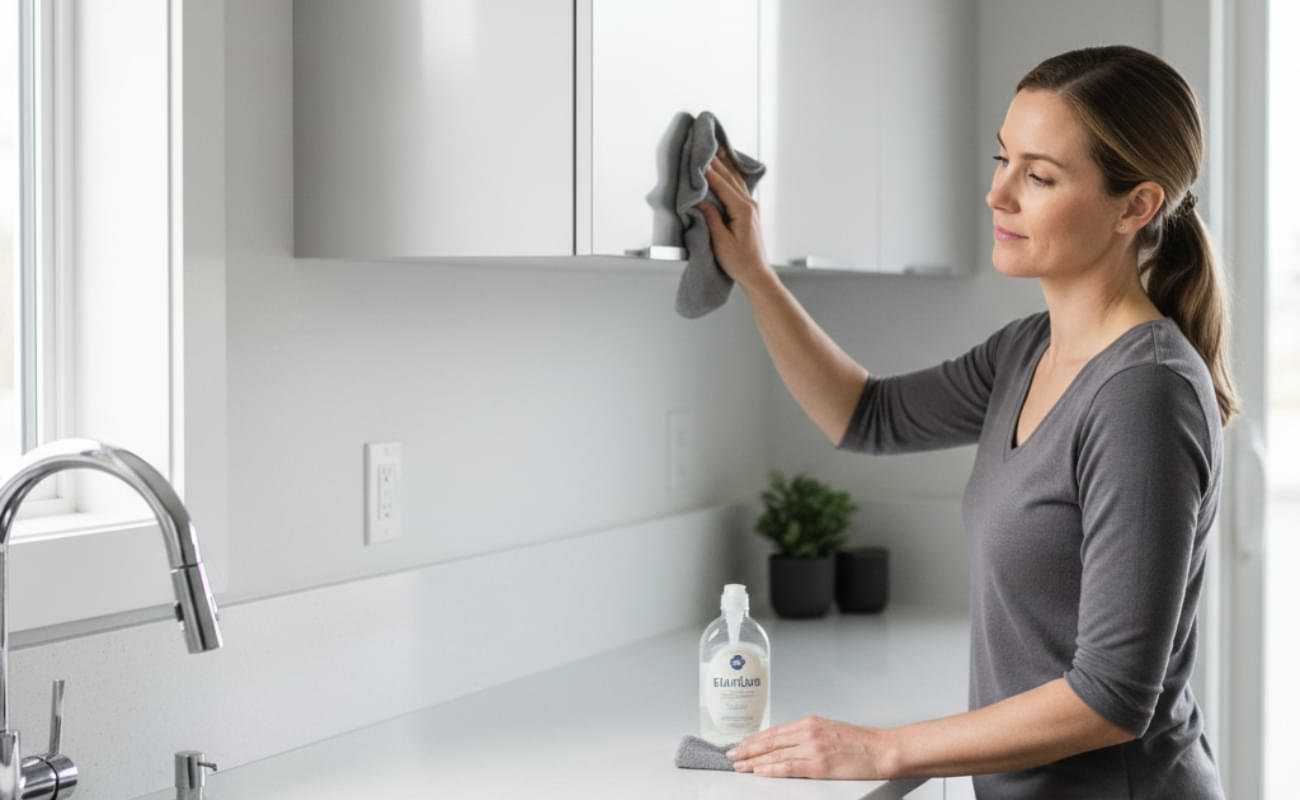
Aluminum kitchen cabinets are non-porous, corrosion-resistant cabinets made from engineered aluminum panels and frames. They are designed to withstand moisture, heat, and daily kitchen wear while maintaining a clean, modern appearance. With proper care, aluminum cabinets can retain their finish and performance for decades.
If your kitchen sees heavy use or you live in climates like Australia, the UK, or the USA, aluminum cabinets offer a practical, low-maintenance solution. Understanding the right cleaning and maintenance approach helps you protect both aesthetics and long-term value.
Why Aluminum Kitchen Cabinets Are Easier to Maintain Than Other Materials?
Aluminum behaves very differently from wood or MDF. It does not absorb moisture, crack, or expand with temperature changes, which significantly reduces maintenance concerns. This is one reason why many homeowners are researching Aluminum Kitchen Cabinets online.
Material Comparison at a Glance
| Feature | Aluminum Cabinets | Wooden Cabinets |
| Moisture resistance | Excellent | Low to moderate |
| Mold and pests | Resistant | Vulnerable |
| Cleaning effort | Low | Moderate to high |
| Lifespan | 20–30+ years | 10–20 years |
| Sustainability | Fully recyclable | Limited |
These advantages explain why aluminum is increasingly used in contemporary residential and commercial kitchens.
How to Clean Aluminum Kitchen Cabinets Properly?
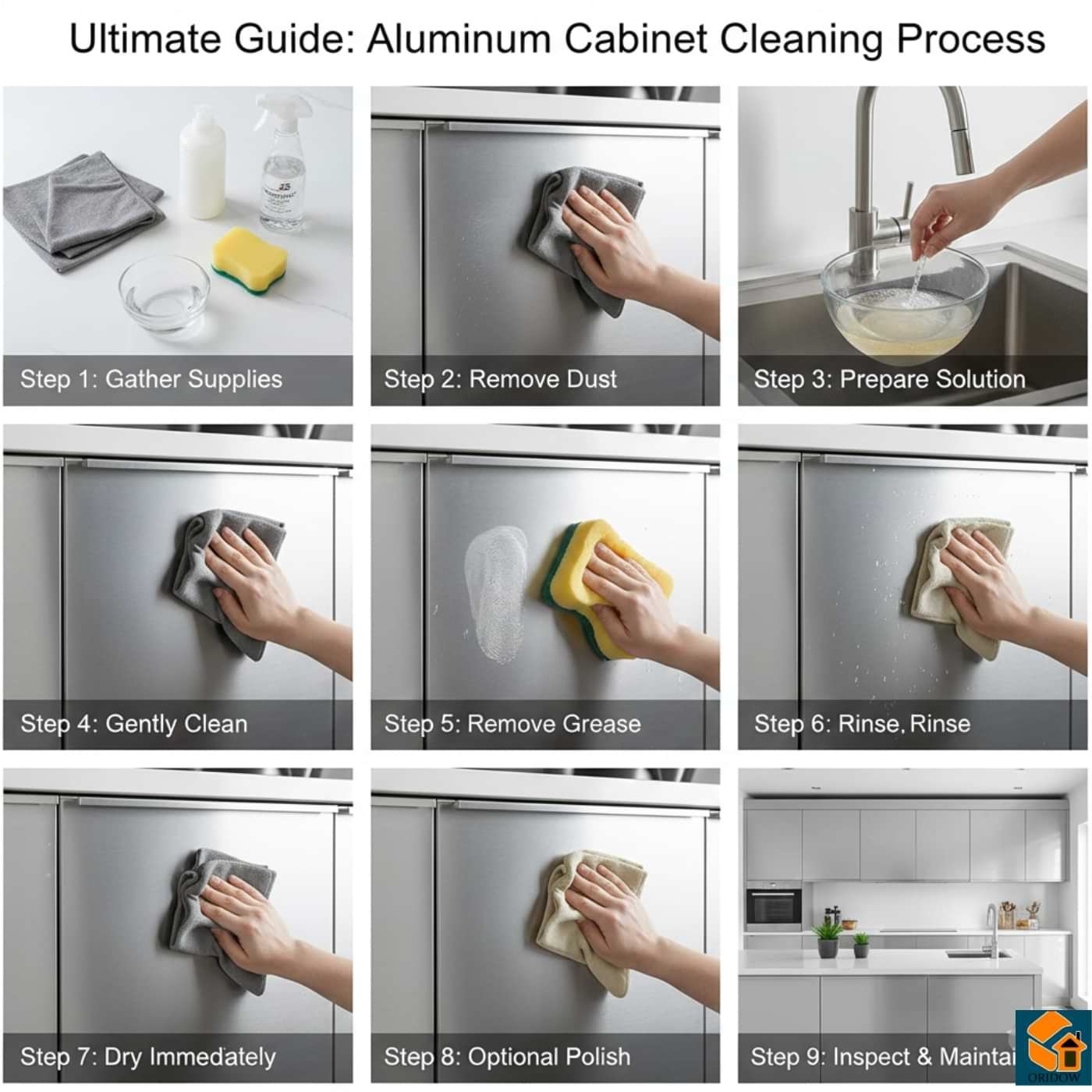
Cleaning aluminum cabinets does not require special tools or harsh chemicals. A gentle, consistent routine delivers the best results.
Daily and Weekly Cleaning Steps
- Soft microfiber cloth or non-abrasive sponge
- Warm water mixed with mild dish soap
- Gentle wiping along the surface finish
- Clean water rinse to remove residue
- Immediate drying with a soft towel
This approach works well for most finishes found in aluminum cabinetry systems.
Removing Grease and Cooking Residue
Grease buildup is common near cooking zones, but aluminum handles it well.
- Light grease: diluted vinegar and water
- Moderate buildup: metal-safe degreaser
- Avoid scrubbing or abrasive tools
- Always spot test new cleaners
Many homeowners switch to aluminum after understanding which one is the best, and the performance benefits
What to Avoid When Cleaning Aluminum Cabinets
Using the wrong products can damage the surface finish over time, even on durable materials like aluminum.
Common Cleaning Mistakes
- Abrasive powders or cream cleaners
- Steel wool or rough scouring pads
- Bleach or ammonia-based chemicals
- Strong acidic or alkaline solutions
- Letting water or cleaner air dry
Avoiding these mistakes preserves both appearance and protective coatings.

Long-Term Maintenance for Aluminum Kitchen Cabinets
Maintenance focuses on hardware, alignment, and finish preservation rather than structural repair.
Monthly and Quarterly Maintenance
- Check hinges and handles for looseness
- Tighten fittings gently
- Clean interior cabinet panels
- Inspect joints and edges
Well-designed systems, like those used in premium aluminum collections, are engineered for precision and longevity.
Protecting the Cabinet Finish
| Finish Type | Recommended Care |
| Brushed aluminum | Occasional metal-safe polish |
| Matte finish | Mild soap only |
| Powder-coated | Non-abrasive cleaners only |
Choosing the right care method helps maintain the cabinet’s original look.
How Aluminum Cabinets Handle Moisture and Humidity
Aluminum cabinets are inherently waterproof and non-absorbent, which makes them exceptionally reliable in kitchens exposed to steam, spills, and fluctuating humidity. Unlike wood-based cabinetry, aluminum does not trap moisture beneath the surface, so it will not swell, rot, delaminate, or develop mold over time. This structural stability is a key reason aluminum is widely used in both residential and commercial kitchens.
High-quality aluminum cabinet systems are engineered with sealed joints, corrosion-resistant panels, and moisture-proof construction, ensuring long-term performance even in challenging environments. According to the product specifications, aluminum cabinets are also termite-proof and mildew-resistant, eliminating two common issues associated with traditional cabinetry in damp regions.
This performance makes aluminum particularly well-suited for:
- Coastal homes in Australia
- High-humidity kitchens in the UK
- Areas of the USA with temperature swings and moisture exposure
While the cabinet material itself is unaffected by water, wiping away standing moisture helps preserve hardware, fittings, and surrounding surfaces. With minimal care, aluminum cabinets maintain both hygiene and structural integrity for decades.
Cleaning Frequency Guide for Aluminum Cabinets
| Task | Frequency |
| Handle wipe-down | Daily |
| Exterior cleaning | Weekly |
| Interior cleaning | Monthly |
| Hardware inspection | Quarterly |
This schedule prevents buildup without over-cleaning.
If you’re planning a kitchen upgrade, reviewing available product options can help you select finishes that align with your maintenance preferences.
Scratch Resistance and Daily Use
Aluminum is impact-resistant but not completely scratch-proof. Quality cabinets are built with reinforced panels and durable finishes to minimize visible wear.
Ways to Reduce Surface Wear
- Avoid dragging heavy cookware across surfaces
- Use drawer liners for utensils
- Remove debris before wiping
Matte and brushed finishes tend to hide minor marks better than high-gloss surfaces.
Sustainability and Long-Term Value
Aluminum is one of the most sustainable cabinet materials available.
- 100% recyclable
- Retains strength through recycling
- Long service life reduces waste
Many homeowners evaluate aluminum after reviewing the lifecycle costs and durability discussed in this cost comparison.
Why Oridow Is the Right Supplier for Aluminum Cabinets?
Oridow designs aluminum kitchen cabinets as a complete system, not a surface upgrade. Every detail is built for strength, ease of use, and long-term reliability. The focus is simple. Make cabinets that perform well every day and last for years.
- True all-aluminum construction
Every cabinet is made fully from aluminum. This prevents swelling, mold, termites, and internal damage often found in mixed-material cabinets. The structure stays solid in all conditions, as seen across their engineered product range.
- Strong, reinforced panels
Thick aluminum panels and rigid frames keep doors straight and stable. Cabinets hold their shape even with daily use.
- Moisture-proof and corrosion-resistant
Aluminum does not absorb water. Oridow cabinets work well in humid kitchens across Australia, the UK, and coastal areas of the USA. - Low-maintenance finishes
Smooth, precision finishes resist fingerprints, stains, and fading. Cabinets stay clean with minimal effort. - Fire-resistant and hygienic
Aluminum does not burn or trap bacteria. This makes the kitchen safer and easier to keep clean. - Smart, functional storage
Cabinet interiors are designed for real kitchens. Layouts improve storage, access, and everyday workflow. - Sustainable and long-lasting
Aluminum is fully recyclable and built to last for decades. This reduces waste and replacement costs over time.
For homeowners and designers who value durability and clean design, Oridow offers a dependable aluminum cabinet solution. Oridow’s support team provides clear guidance to help every kitchen perform at its best.
Frequently Asked Questions
1. Are aluminum kitchen cabinets easy to clean?
Yes. Regular wiping with mild soap and water is usually sufficient.
2. Do aluminum cabinets rust?
No. Aluminum naturally resists corrosion and does not rust like steel.
3. Do aluminum cabinets show fingerprints?
- Glossy aluminum finishes may show fingerprints more easily
- Matte and brushed finishes help conceal smudges
- Regular light wiping keeps surfaces clean and uniform
4. Are aluminum cabinets suitable for family kitchens?
- Highly durable and impact-resistant
- Non-porous and hygienic, making cleaning easier
- Resistant to moisture, heat, and daily wear
- Well-suited for high-traffic and busy households
5. How long do aluminum kitchen cabinets last?
- Typical lifespan of 20–30 years or more
- Do not warp, crack, or rot over time
- Maintain structural integrity with minimal maintenance
- Long lifespan reduces replacement and renovation costs


