

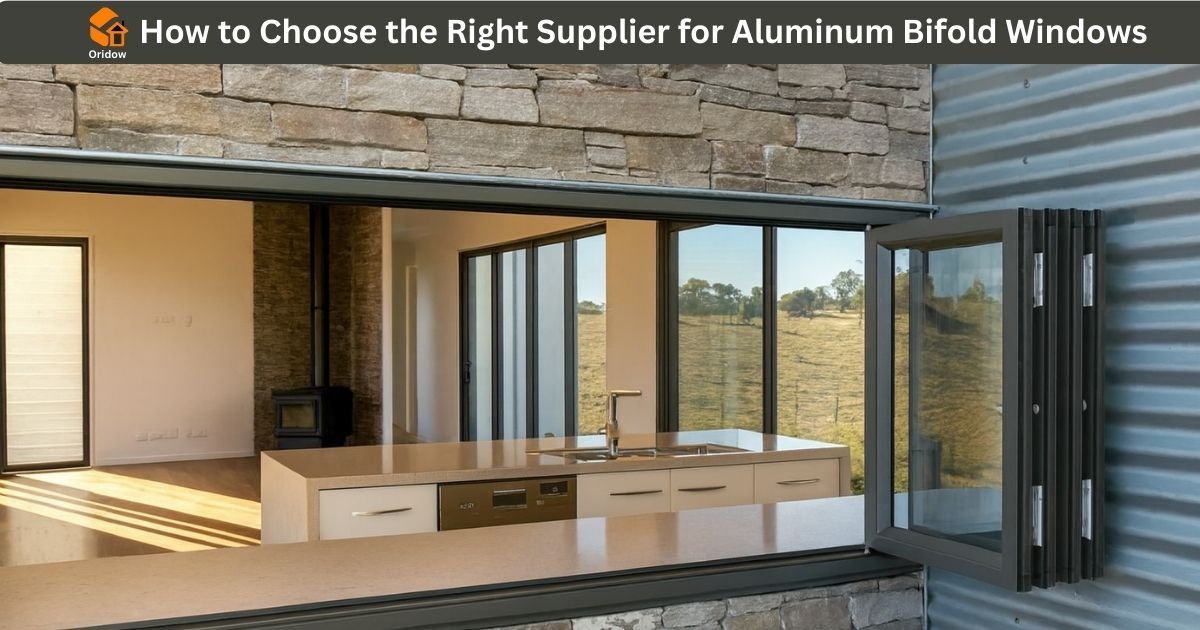
Choosing the right supplier for aluminum bifold windows is a decision that affects far more than appearance. It influences energy efficiency, daily usability, long-term durability, and how well your space responds to its environment. As demand grows across Australia, the UK, and the USA, buyers are becoming more informed and more selective.
If you are comparing suppliers, you are likely facing similar-looking products with very different performance standards. Understanding what truly separates a reliable supplier from the rest is key to avoiding costly mistakes and ensuring long-term value.
What Is an Aluminum Bifold Window Supplier and Why Does It Matter?
A supplier of aluminum bifold windows is responsible for much more than providing frames and glass. The right supplier delivers a fully engineered system designed to handle structural loads, weather exposure, thermal movement, and repeated daily use.
A dependable supplier ensures:
- Architectural-grade aluminum profiles
- Precision-engineered hardware systems
- Reliable weather sealing and drainage
- Compliance with regional building and safety standards
In markets like Australia, the UK, and the USA, suppliers are expected to meet higher benchmarks for wind resistance, insulation, and security. Choosing poorly often leads to misalignment, seal failure, or poor thermal performance within a short time.
How Do You Evaluate the Quality of an Aluminum Bifold Window Supplier?
Look Beyond Appearance and Finishes
Many aluminum bifold windows look similar on the surface, but internal engineering is what defines quality.
When assessing suppliers, focus on:
- Profile thickness and reinforcement for larger openings
- Aluminum alloy grade suitable for structural performance
- Surface finishing processes such as powder coating durability
- Corner joint precision and frame integrity
Suppliers who design complete bifold systems rather than individual components consistently outperform generic fabricators.
Assess Customization and Design Flexibility
A strong supplier supports a wide range of design needs without compromising performance.
Key customization capabilities should include:
- Multiple opening and stacking configurations
- Custom sizing for wide or tall openings
- Various finishes and color options
- Integration with different glazing systems
System-focused solutions found in advanced bifold systems typically provide better alignment, smoother operation, and longer service life.
How Important Are Testing and Compliance Standards?
Performance Testing Is Non-Negotiable
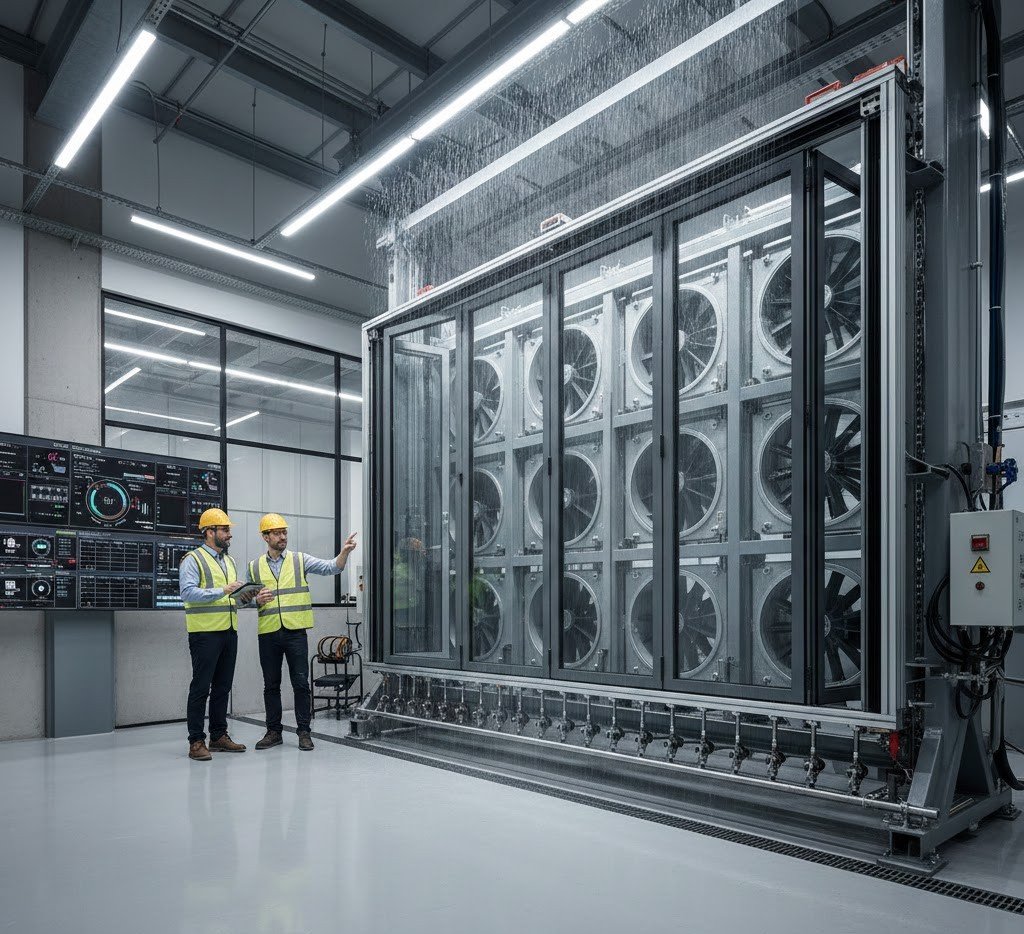
Third-party testing provides objective proof that a window system performs under real conditions. Reputable suppliers invest heavily in verification, not assumptions.
Ask suppliers for:
- Air infiltration and water resistance testing
- Wind load and structural performance ratings
- Thermal efficiency data relevant to your climate
- Compliance with local building regulations
For coastal or high-wind regions, these certifications are especially critical.
Material Choice and Long-Term Value
Material selection plays a major role in system longevity. Aluminum continues to dominate premium bifold window designs due to its strength-to-weight ratio and resistance to warping.
Compared to alternatives, aluminum offers:
- Slimmer frames with larger glass areas
- Better stability in hot and cold climates
- Longer service life with minimal maintenance
If you are deciding between materials, reviewing a professional material comparison helps clarify where aluminum delivers superior performance over time.
What Role Does Installation Play in Supplier Selection?
Installation Quality Directly Affects Performance
Even the most advanced aluminum bifold window system can underperform if installed incorrectly. Leading suppliers account for this by designing systems that support accurate, repeatable installation.
A reliable supplier provides:
- Detailed installation documentation
- Correct sill and drainage guidance
- Adjustment tolerances for thermal movement
- Post-installation alignment support
Well-documented installation approach reduces performance issues and long-term maintenance risks.
After-Sales Support and Warranty Transparency
Trustworthy suppliers stand behind their systems with clear warranties and responsive support.
Evaluate suppliers based on:
- Length and scope of product warranties
- Availability of replacement parts
- Responsiveness to technical inquiries
- Maintenance guidance and support
Strong after-sales service is often an early indicator of system longevity and reliability.
Key Industry Trends Shaping Aluminum Bifold Window Supply
Several trends are influencing how suppliers design and deliver aluminum bifold window systems:
- Increased focus on energy efficiency and thermal performance
- Demand for minimalist aesthetics with narrow sightlines
- Growth of indoor-outdoor living concepts
- Higher expectations for weather and security performance
Suppliers aligned with these trends are investing in system engineering rather than cosmetic features alone.
Practical Checklist for Choosing the Right Supplier
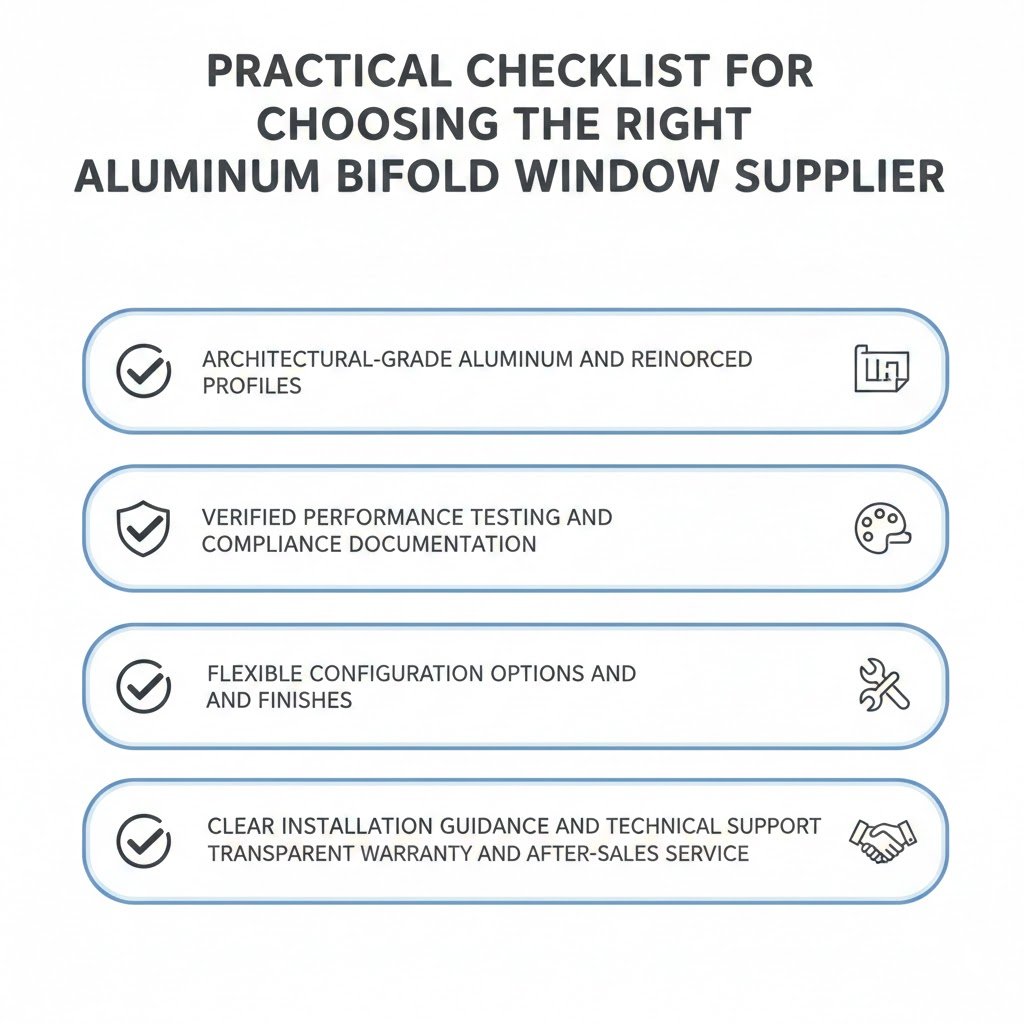
Use this checklist to evaluate any aluminum bifold window supplier:
- Architectural-grade aluminum and reinforced profiles
- Verified performance testing and compliance documentation
- Flexible configuration options and finishes
- Clear installation guidance and support
- Transparent warranty and after-sales service
If a supplier meets all five criteria, you are likely choosing a system designed for long-term performance.
Why Oridow Is the Right Supplier for Aluminum Bifold Windows
Oridow’s approach is centered on system performance, build quality, and long-term reliability rather than surface-level design features. Instead of offering generic window products, Oridow develops aluminum bifold window systems engineered to perform across diverse climates and architectural requirements.
What Makes Oridow a Strong Choice
- System-engineered aluminum profiles
Oridow uses architectural-grade aluminum designed to maintain rigidity and alignment across wide openings, reducing long-term issues like frame movement or operational stress. - Performance-focused design
Each system is developed with integrated seals, precision joints, and thermal considerations that improve weather resistance, insulation, and overall comfort in residential and commercial spaces. - Smooth and reliable operation
Hardware and rolling mechanisms are engineered to support heavy glass panels while ensuring consistent, effortless opening and closing over time. - Design flexibility without compromise
Oridow systems support multiple configurations, sizes, and finishes, allowing architects and homeowners to achieve modern aesthetics without sacrificing performance. - Consistency from manufacturing to installation
Clear system detailing and installation methodology help ensure the final result performs as designed, minimizing maintenance issues and installation-related failures.
FAQs
How long do aluminum bifold windows typically last?
High-quality aluminum bifold windows can last 30 to 40 years with proper installation and minimal maintenance.
Are aluminum bifold windows energy efficient?
Yes. With advanced thermal breaks and double glazing, modern aluminum systems meet strict energy standards in the UK, Australia, and the USA.
What certifications should I ask a supplier for?
Look for air, water, and wind testing results, thermal performance ratings, and compliance with local building codes.
Can aluminum bifold windows be customized?
Reputable suppliers offer custom sizes, configurations, finishes, glazing options, and hardware selections.
Who should I contact for expert guidance before purchasing?
Speaking directly with experienced and trustable manufacturers like Oridow and requesting technical advice helps ensure the system is appropriate for your project.


