

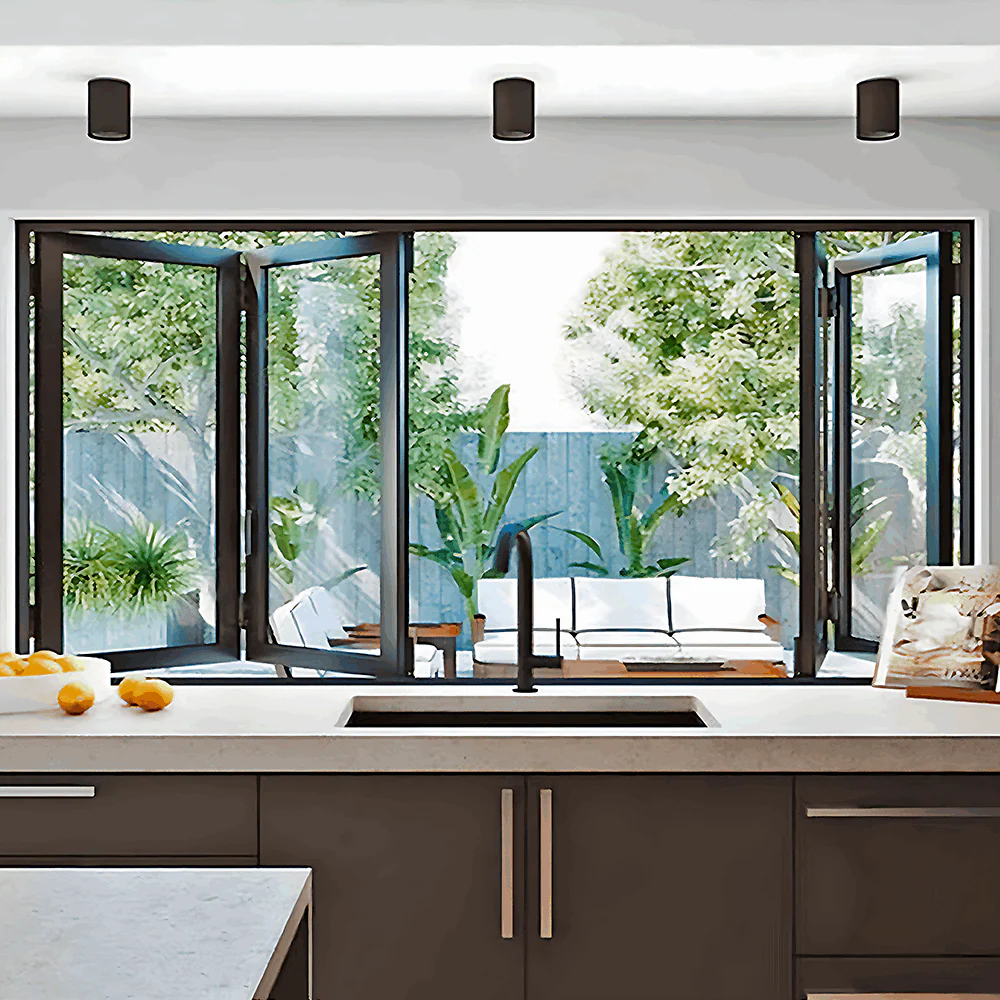
If you are considering folding windows, you are likely facing a serious decision. This is not a cosmetic upgrade. Folding windows are a functional and architectural investment that can change how your home looks, feels, and performs.
I have seen homeowners hesitate because of cost, and I have also seen them regret not planning properly. The real question is not whether folding windows are expensive. The real question is whether they deliver long-term value for your specific situation.
This guide breaks everything down clearly so you can decide with confidence.
What Are Folding Windows?
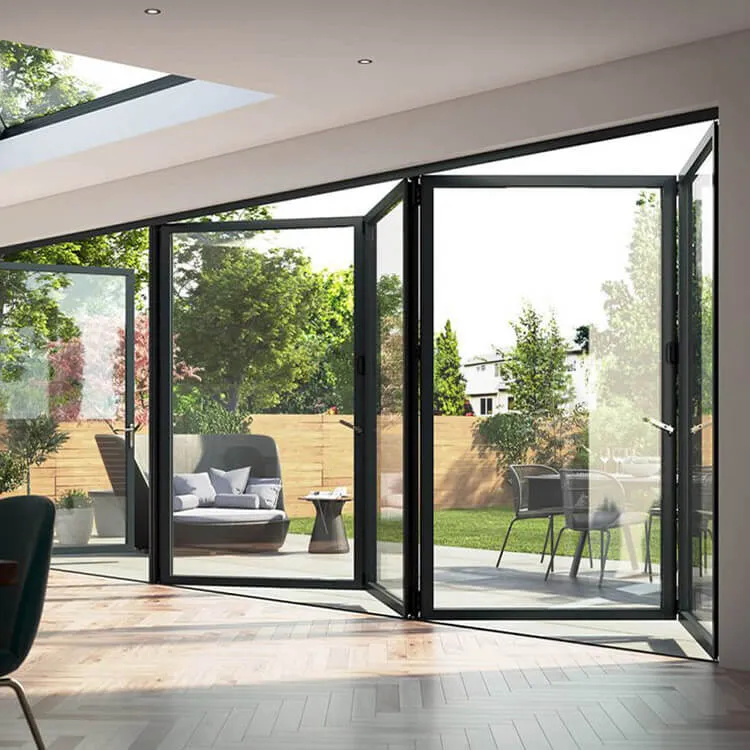
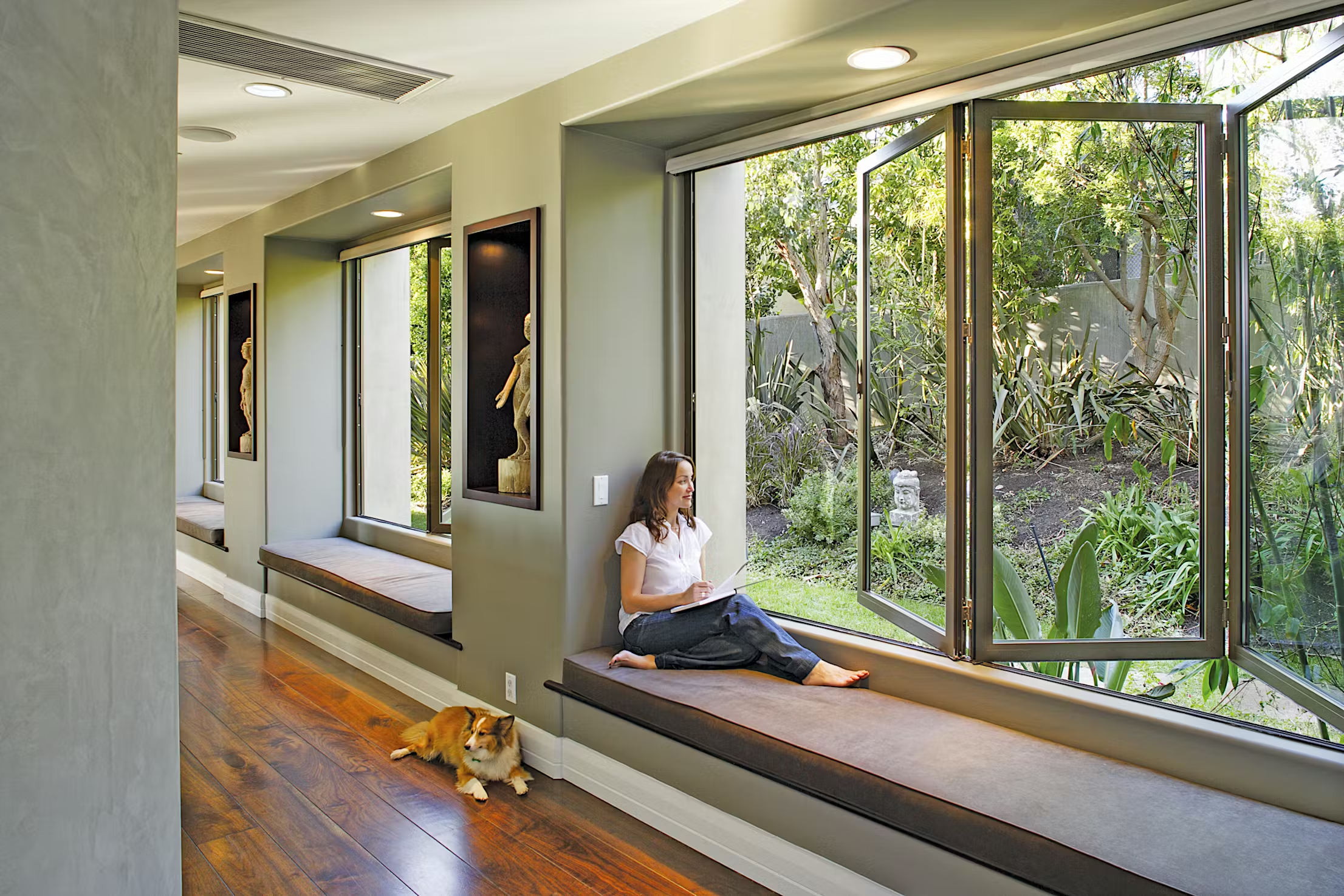
Folding windows are multi-panel window systems designed to open wide by folding and stacking to one side. They are commonly used to connect indoor spaces like kitchens or living rooms with outdoor areas.
Key Characteristics
- Multiple hinged panels
- Panels fold and stack neatly
- Large unobstructed openings
- Designed for indoor and outdoor integration
Unlike fixed or sliding windows, folding systems are designed to fully transform a space when open, particularly when adaptable opening configurations are needed to support different layouts and spans.
How Much Do Folding Windows Cost?
Folding windows are a premium architectural feature, and their pricing reflects the level of engineering involved. If you are comparing them to standard windows, the cost difference can feel significant. What matters is understanding what you are paying for and how those choices affect long-term value.
I always encourage homeowners to look beyond the base price and consider how configuration, materials, and installation influence total cost.
Average Cost Range
| Category | Estimated Cost |
| Standard folding window system | $4,000 to $8,000 |
| Large custom folding window | $10,000 to $20,000+ |
| Professional installation | $1,500 to $5,000 |
These ranges reflect typical residential projects. Commercial or large-scale architectural applications may exceed these figures depending on specifications.
Key Factors That Influence Cost
Several variables affect the final price of a folding window system.
Primary cost drivers include:
- Overall width and height of the opening
- Number of folding panels
- Frame material selection
- Type of glazing and insulation
- Hardware quality and load rating
- Level of customization required
Each of these factors contributes to both upfront cost and long-term performance.
Material Costs and Performance Impact
Material choice plays a major role in pricing and durability.
Common material options include:
- Aluminum frames for strength and low maintenance
- Wood or wood-clad systems for interior aesthetics
- Thermally broken frames for improved energy performance
Higher-quality materials often increase initial cost but reduce maintenance and replacement expenses over time.
Glass and Glazing Options
Glass selection affects energy efficiency, comfort, and noise control.
Common glazing upgrades include:
- Double or triple-pane insulated glass
- Low-emissivity coatings
- Tempered or laminated safety glass
- Tinted or acoustic glass options
Choosing the right glazing can improve comfort and help offset operating costs.
Installation and Structural Considerations
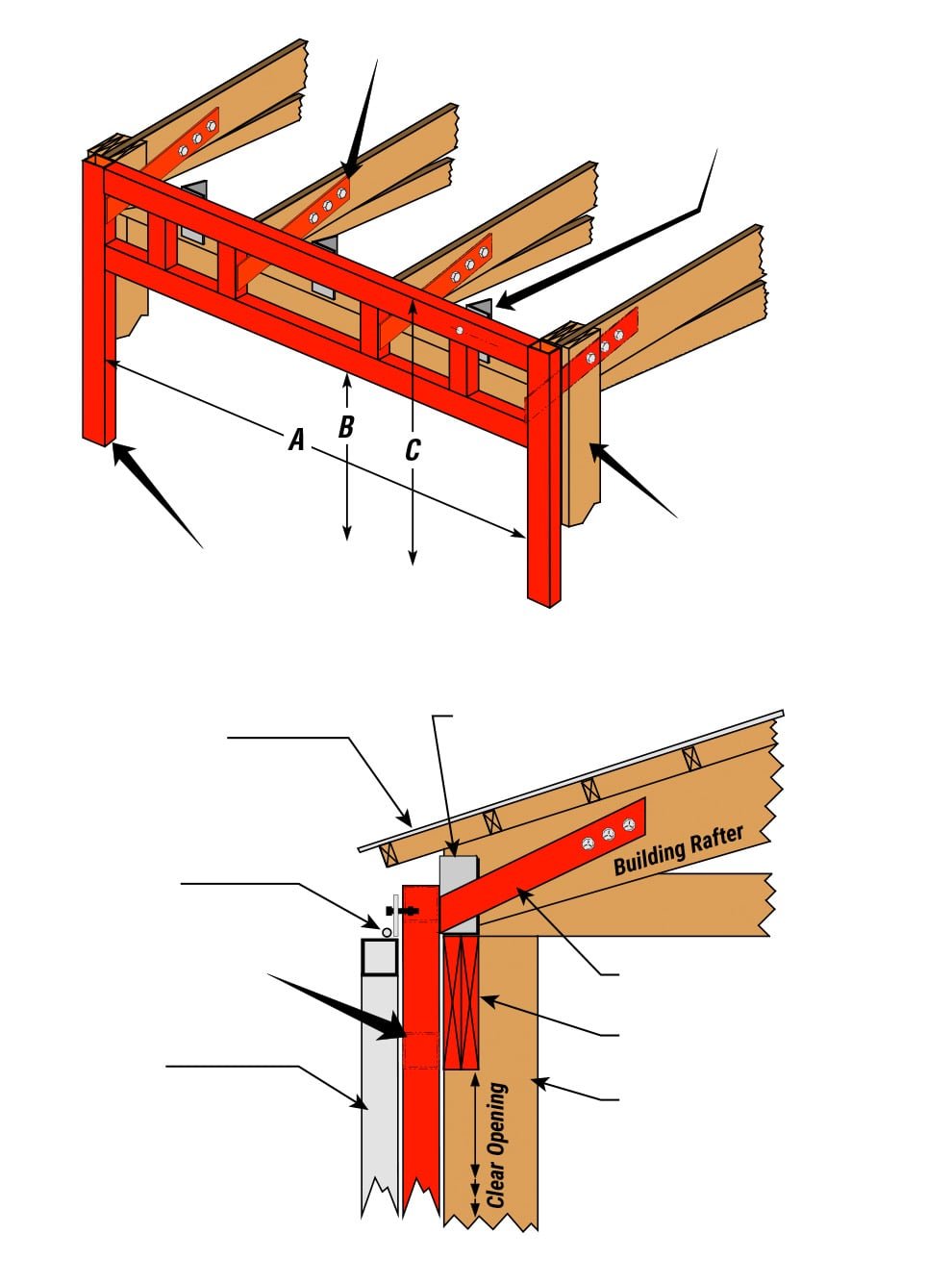
Installation is not a minor expense for folding windows.
These systems require precise alignment and structural support.
Installation costs may increase due to:
- Structural modifications to the opening
- Load-bearing adjustments
- Weatherproofing requirements
- Professional labor experienced with folding systems
Cutting corners during installation often leads to performance issues that cost more to fix later.
Custom vs Standard Configurations
Standard systems are more affordable, but many homes require custom solutions.
Custom systems typically include:
- Non-standard panel sizes
- Unique opening layouts
- Specialized finishes or colors
- Project-specific performance requirements
Customization increases cost but ensures proper fit and long-term reliability.
Understanding Cost in Relation to Value
The true cost of folding windows should be evaluated over their lifespan.
When assessing value, consider:
- Expected durability
- Daily usability
- Energy performance
- Maintenance requirements
- Impact on home enjoyment and appeal
A well-specified folding window system can deliver value for decades, making the initial investment easier to justify when viewed long-term.
What ROI Really Means for Folding Windows
Return on investment should not be measured in resale value alone. Folding windows deliver value in multiple ways.
Four Types of ROI to Consider
- Financial resale value
- Energy and operational efficiency
- Lifestyle and usability benefits
- Market appeal and buyer perception
Understanding all four helps you see the complete picture.
Financial ROI and Home Value Impact
Folding windows rarely provide a dollar-for-dollar return like basic window replacements. Their value comes from elevating the entire living experience.
How They Add Financial Value
- Improve perceived home quality
- Enhance indoor and outdoor living
- Appeal strongly to lifestyle-focused buyers
Luxury and modern home buyers respond to experiential upgrades rather than surface-level renovations, which is why functional window comparisons matter when evaluating architectural features.
Energy Efficiency and Performance
Modern folding windows can be energy efficient when designed and installed correctly.
Performance Factors That Matter
- Insulated glass units
- Thermal break aluminum frames
- High-quality seals and hardware
- Climate-appropriate system design
Many homeowners also consider eco-conscious material choices when evaluating long-term energy performance and sustainability in folding window systems.
Standards outlined by ENERGY STAR and performance benchmarks from the U.S. Department of Energy help define what qualifies as an efficient modern window system.
Lifestyle and Functional ROI
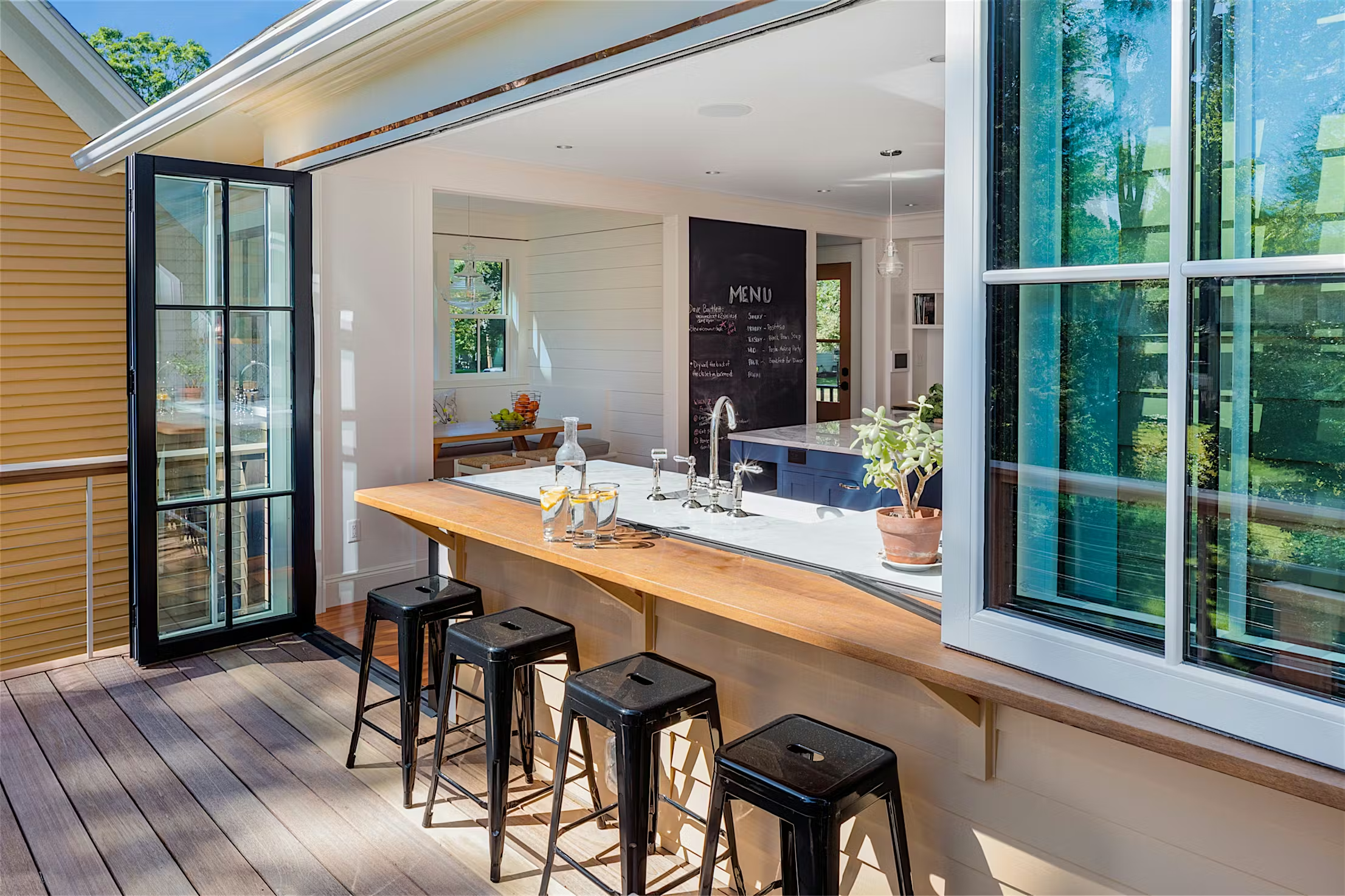
Lifestyle and functional value is where folding windows often deliver the strongest return. While this type of ROI is harder to measure financially, it directly affects how you experience your home every day.
I have seen many homeowners realize that the real benefit is not just what folding windows add to resale value, but how much they improve daily living.
Improved Indoor and Outdoor Connection
Folding windows remove the visual and physical barrier between indoor and outdoor spaces.
Key functional benefits include:
- Full-width openings that expand usable living space
- Smooth transitions between kitchens, patios, and dining areas
- Better sightlines and natural light
This connection makes homes feel larger and more open without increasing square footage.
Better Ventilation and Comfort
Folding windows allow you to control airflow more precisely than fixed or sliding systems.
Comfort advantages include:
- Natural cross-ventilation
- Reduced reliance on mechanical cooling
- Improved indoor air quality
Being able to open an entire wall section gives you flexibility to adjust airflow based on weather and season.
Enhanced Entertaining and Social Use
For homeowners who enjoy hosting, folding windows change how spaces function.
Common use cases include:
- Kitchen pass-throughs to outdoor bars
- Living rooms opening into outdoor seating areas
- Dining spaces that adapt to larger gatherings
This flexibility supports both casual family use and larger social events.
Increased Day-to-Day Usability
Unlike features that are admired but rarely used, folding windows are designed for frequent interaction.
They allow you to:
- Open or close spaces quickly
- Adapt rooms to changing needs
- Use outdoor areas more often
Over time, this consistent use becomes a major contributor to overall satisfaction.
Strong Emotional Value Over Time
Lifestyle ROI is also emotional.
Homeowners often describe folding windows as one of the most appreciated upgrades in their homes. The ability to open a space completely, enjoy fresh air, and connect with outdoor surroundings creates lasting enjoyment that does not fade after installation.
This type of value may not appear on a resale report, but it plays a significant role in long-term homeowner satisfaction.
Folding Windows vs Other Window Systems
| Feature | Folding Windows | Sliding Windows | Fixed Windows |
| Opening width | Very wide | Partial | None |
| Ventilation | Excellent | Moderate | None |
| Visual impact | High | Medium | High |
| Flexibility | Very high | Moderate | Low |
| Cost | Higher | Medium | Lower |
Depending on climate and architectural needs, some projects also benefit from vertical folding solutions that address airflow, space constraints, or weather exposure more effectively.
Durability, Maintenance, and Longevity
High-quality folding window systems are built to last.
What Affects Longevity
- Frame material quality
- Hardware and track design
- Weather resistance
- Routine maintenance
Typical Lifespan
- 20 to 30 years or more with proper care
Maintenance is straightforward and includes:
- Cleaning tracks
- Inspecting hardware
- Standard glass cleaning
Well-built engineered window systems are designed to handle repeated daily use without compromising performance.
Folding Windows Are a Good Fit If You
- Value indoor and outdoor living
- Entertain frequently
- Want architectural impact
- Plan long-term ownership
They May Not Be Ideal If You
- Have a very limited renovation budget
- Rarely open windows
- Do not need wide openings
Being honest about fit is essential to making the right investment.
How to Maximize ROI from Folding Windows
Maximizing return from folding windows depends on smart planning as much as product quality. I have seen systems deliver outstanding value when they are placed, specified, and installed correctly.
Install in High-Use Areas
Folding windows perform best where people naturally gather.
High-impact locations include:
- Kitchen pass-throughs
- Living or dining areas opening outdoors
- Entertainment spaces
Frequent use increases both functional and perceived value.
Choose Climate-Appropriate Materials
Materials should match your environment.
Focus on:
- Thermally broken frames
- Insulated, energy-efficient glass
- Hardware suited to local weather conditions
This protects performance and extends system lifespan.
Prioritize Performance Over Size
Larger openings look impressive, but reliable operation matters more.
A strong system should offer:
- Smooth panel movement
- Secure sealing when closed
- Durable hardware for frequent use
Consistency delivers better long-term value than oversized designs.
Use Experienced Installers
Installation quality directly affects performance and longevity.
Proper installation ensures smooth operation, weather resistance, and long-term reliability.
Plan for Simple Maintenance
Basic care preserves ROI.
Key practices include:
- Keeping tracks clean
- Inspecting hardware periodically
- Addressing minor issues early
Small efforts help maintain performance for decades.
Why Oridow Is the Best Supplier for Folding Windows
Choosing the right supplier is as important as choosing the window system itself.
Oridow focuses on performance, durability, and customization rather than mass-produced solutions. Their approach supports both residential and commercial projects that require reliability at scale.
What Sets Oridow Apart
- Precision-engineered folding window systems
- High-performance aluminum and glazing options
- Custom sizing for diverse architectural needs
- Durable hardware and sealing systems
- Support for homeowners, architects, and builders
When evaluating supplier reliability, Oridow folding systems stand out for their performance-driven design and long-term value focus.
You can also review their full range of engineered window systems to understand how configuration, materials, and hardware options influence performance.
Frequently Asked Questions
Are folding windows energy efficient?
Yes. When equipped with insulated glass, thermal breaks, and proper sealing, folding windows can meet modern efficiency standards.
Do folding windows leak?
High-quality systems installed correctly do not leak. Most issues are linked to poor installation rather than the system itself.
How long do folding windows last?
Most premium folding window systems last 20 to 30 years or longer with proper maintenance.
Are folding windows difficult to maintain?
No. Routine cleaning and occasional inspection are usually sufficient.
Do folding windows increase resale value?
They improve buyer appeal, perceived quality, and overall marketability, especially in higher-end homes.
Final Verdict
Folding windows are not a budget upgrade, and they are not suitable for every home. However, when chosen carefully and installed correctly, they deliver meaningful long-term value.
If you prioritize lifestyle functionality, architectural impact, and performance, folding windows can be a smart investment that enhances both daily living and future resale appeal.


