

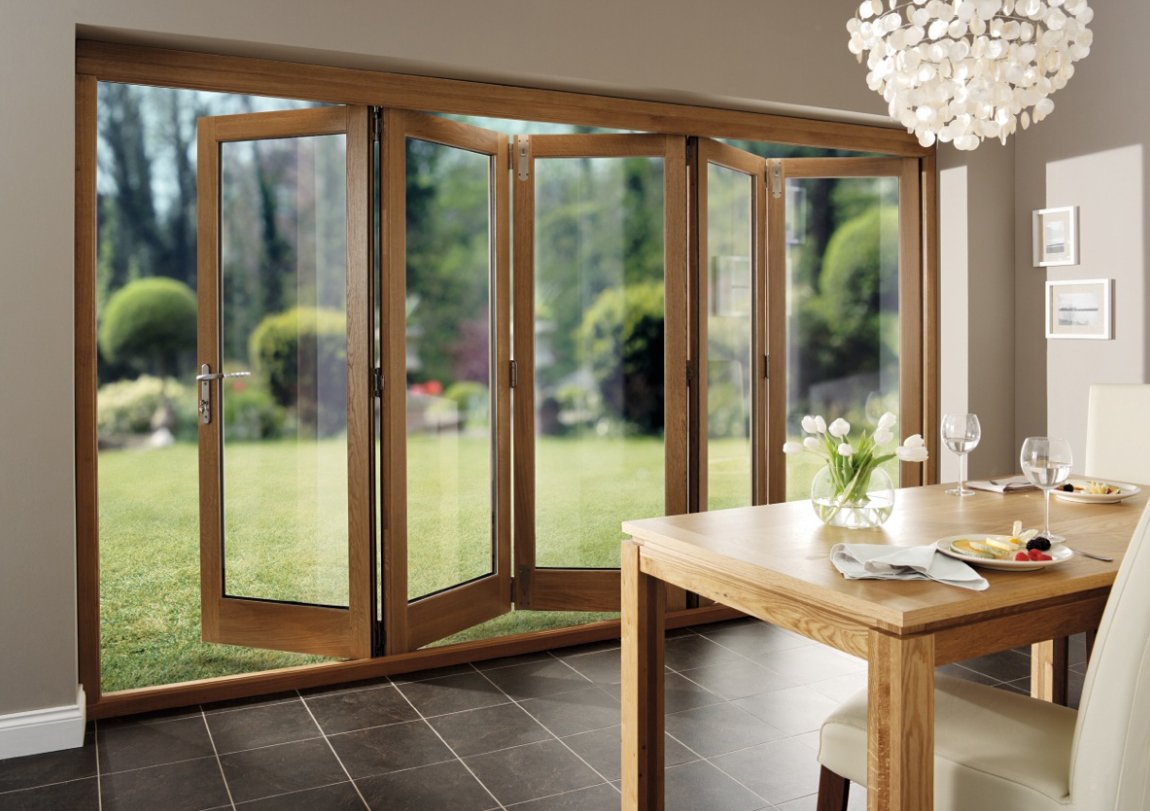
When you are planning a home, villa, or commercial space, windows are not just functional elements. They shape how your space looks, feels, and performs over time. I often speak with homeowners and architects who are comparing aluminum folding windows and uPVC systems, especially when large openings and modern layouts are involved.
If you are trying to decide which option suits your project, this guide will help you understand the real differences in cost, durability, performance, and long-term value, without marketing bias.
What Are Aluminum Folding Windows?
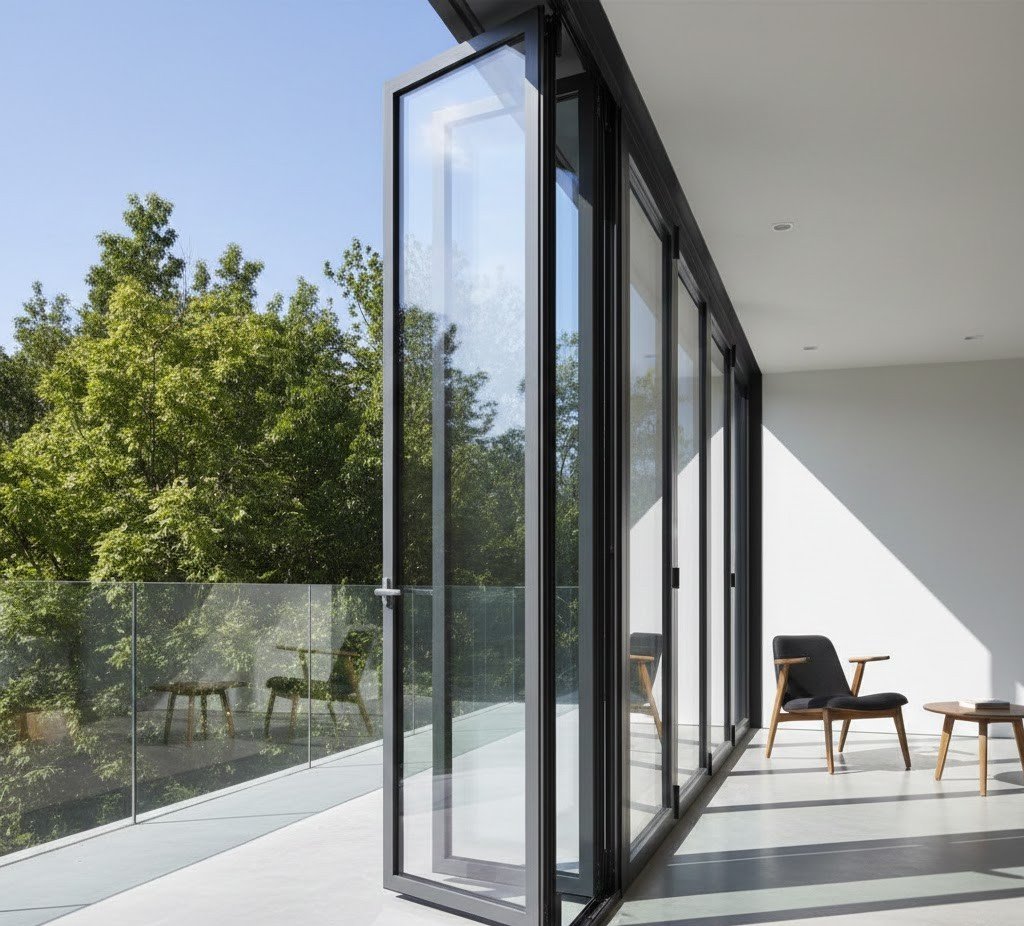
Aluminum folding windows are multi-panel window systems designed to fold and stack to one side, creating wide and unobstructed openings. These systems are commonly used to connect indoor and outdoor spaces seamlessly.
You will typically see aluminum folding windows used in:
- Villas and independent homes
- Balconies and terraces
- Living rooms with large openings
- Commercial and hospitality spaces
Because of their flexibility, folding systems are often chosen for large and varied openings where structural strength and smooth operation are critical.
Material and Construction
Aluminum folding windows are manufactured using architectural-grade aluminum alloys that balance strength and weight. This allows frames to support larger glass panels without becoming bulky.
Key construction characteristics include:
- High structural rigidity
- Precision-engineered folding hardware
- Weather-resistant surface finishes
Common finishes include powder coating and anodizing, both of which protect the frame from corrosion and fading.
What Are uPVC Folding Windows?
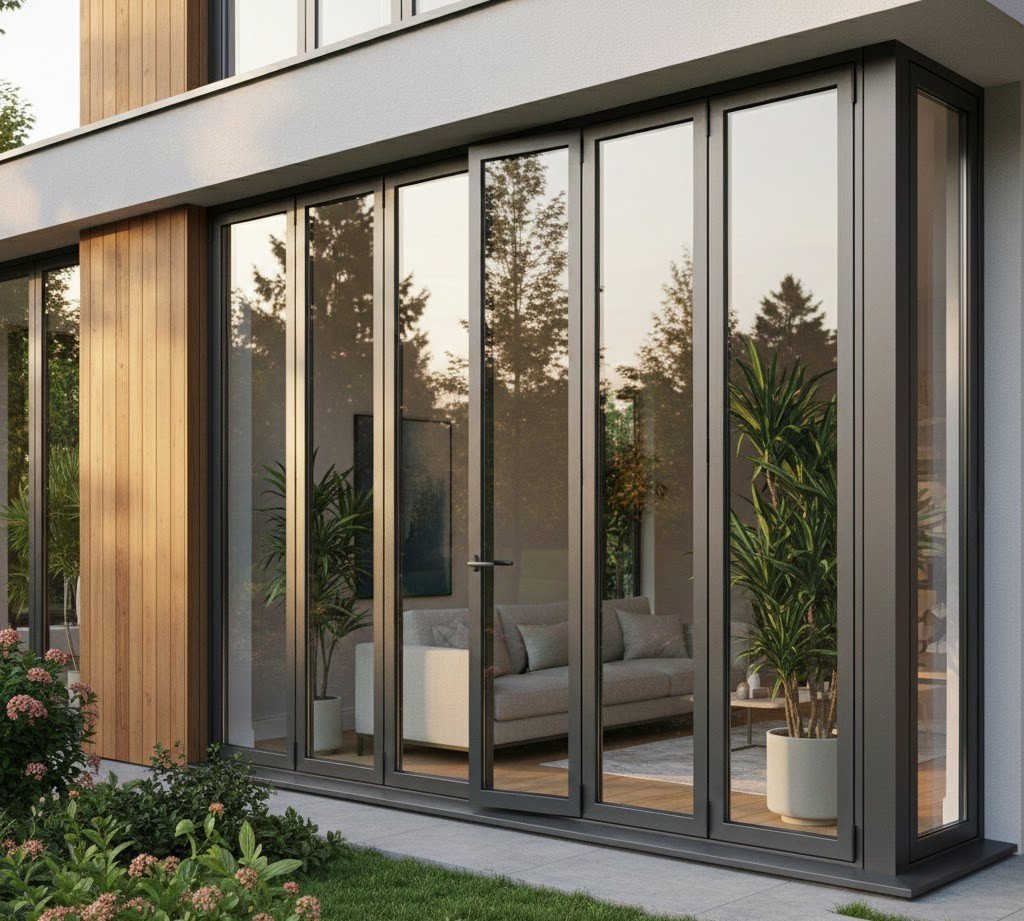
uPVC folding windows are made from rigid plastic profiles combined with internal steel reinforcement. The steel core provides additional strength, but it also limits how flexible the system can be for very large openings.
uPVC folding windows are commonly used in:
- Apartments
- Budget-focused residential projects
- Smaller window spans
Many homeowners first explore basic uPVC window systems when evaluating options for insulation and affordability.
Material Composition
uPVC folding windows typically consist of:
- Multi-chamber plastic profiles for insulation
- Galvanized steel reinforcement for rigidity
- Fusion-welded corners
While uPVC offers good thermal performance, its reliance on steel reinforcement introduces design and size limitations.
Cost Comparison: Aluminum vs uPVC Folding Windows
Cost is often the starting point for most decisions. I always recommend looking at both initial investment and long-term ownership costs.
Initial Cost
| Cost Factor | Aluminum Folding Windows | uPVC Folding Windows |
| Frame material | Higher | Lower |
| Hardware quality | Premium | Standard |
| Installation | Skilled installation | Simpler installation |
In general:
- Aluminum folding windows require a higher upfront investment
- uPVC folding windows are more affordable initially
Long-Term Cost
Over time, the difference becomes more apparent.
Aluminum folding windows:
- Require minimal maintenance
- Retain structural stability over decades
- Rarely need replacement
uPVC folding windows:
- May discolor or weaken under prolonged sun exposure
- Can require realignment
- Have a shorter replacement cycle
Evaluating key uPVC advantages alongside these limitations helps put long-term cost into perspective.
Durability and Lifespan Comparison
Weather Resistance
Environmental exposure plays a major role in window performance.
Aluminum folding windows:
- Resist UV radiation and heat
- Perform well in humid and coastal environments
- Do not warp or crack
uPVC folding windows:
- Provide good insulation
- Can degrade under intense sunlight
- Performance depends on profile formulation
Structural Strength
Structural integrity directly affects how large and stable your folding window system can be.
| Aspect | Aluminum | uPVC |
| Panel size capacity | High | Limited |
| Wind load resistance | Excellent | Moderate |
| Long-term rigidity | Stable | Steel-dependent |
When evaluating different window formats, understanding folding versus awning designs also helps clarify structural expectations.
Aluminum vs uPVC Folding Windows: Performance Explained
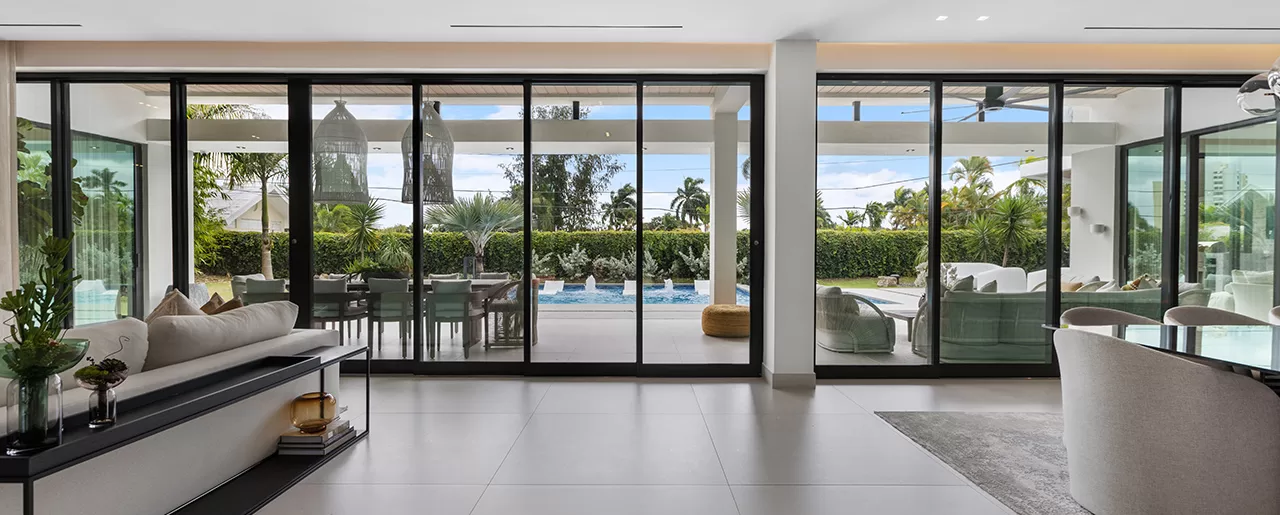
When you compare folding windows, performance is not just about numbers on paper. It affects how comfortable your space feels, how quiet it is, and how well it holds up against weather over time. I always recommend evaluating performance across thermal insulation, sound control, airtightness, and overall system behavior, not just the frame material alone.
Thermal Insulation and Energy Efficiency
Thermal performance is commonly measured using U-value, which indicates how much heat transfers through a window system. A lower U-value means better insulation.
uPVC folding windows:
- Naturally insulate due to multi-chamber plastic profiles
- Reduce heat transfer without additional frame technology
- Perform well in moderate temperature conditions
Aluminum folding windows:
- Use thermal break technology, where a non-conductive barrier separates inner and outer aluminum profiles
- Significantly reduce heat transfer compared to standard aluminum
- Perform consistently even in extreme heat
From real-world experience, I have found that glass selection often impacts thermal performance more than the frame itself. Double or triple glazing, low-E coatings, and gas-filled units can dramatically improve energy efficiency in both systems.
If energy efficiency is a priority for you, focus on the complete window system, not just whether the frame is aluminum or uPVC.
Sound Insulation and Noise Control
Sound insulation is a major concern in urban and high-traffic areas. Many people assume frame material determines noise reduction, but that is only part of the story.
Key factors influencing sound insulation:
- Glass thickness and composition
- Air gaps between glass panes
- Quality of seals and gaskets
- Precision of installation
Both aluminum and uPVC folding windows can achieve effective noise reduction when designed correctly. In practice, I have seen well-sealed aluminum systems outperform poorly installed uPVC systems, even though uPVC is often perceived as quieter.
For you as a buyer, this means installation quality and glazing choice matter more than frame material for sound performance.
Airtightness and Water Tightness
Airtightness and water resistance determine how well folding windows protect your space from dust, rain, and air leakage.
High-performance folding window systems rely on:
- Multi-point locking mechanisms
- Compression sealing rather than brush seals
- Continuous gasket lines across panels
Aluminum folding windows often excel here because:
- Rigid frames maintain seal pressure over time
- Hardware alignment remains stable with frequent use
uPVC folding windows can also perform well initially, but:
- Frame flexibility can reduce sealing efficiency over time
- Reinforcement alignment becomes critical for long-term performance
From my experience, airtightness and water tightness depend more on system engineering and installation accuracy than on material alone.
Operational Performance and Daily Use
Beyond insulation and sealing, how a folding window feels in daily use is an important performance factor.
Aluminum folding windows:
- Operate smoothly even with large, heavy glass panels
- Maintain alignment with frequent opening and closing
- Feel more stable in long-span configurations
uPVC folding windows:
- Operate smoothly in smaller sizes
- Can feel heavier or less precise in large configurations
- Require more frequent hardware adjustments over time
If you plan to use folding windows daily or install them in high-traffic areas, operational stability becomes a key performance consideration.
Performance Summary at a Glance
| Performance Aspect | Aluminum Folding Windows | uPVC Folding Windows |
| Thermal efficiency | High with thermal break | Naturally good |
| Sound insulation | Glass-dependent | Glass-dependent |
| Airtightness | Excellent long-term | Good initially |
| Water resistance | High | Moderate to high |
| Operational stability | Excellent | Size-dependent |
Design & Aesthetic Flexibility of Aluminum vs uPVC Folding Windows
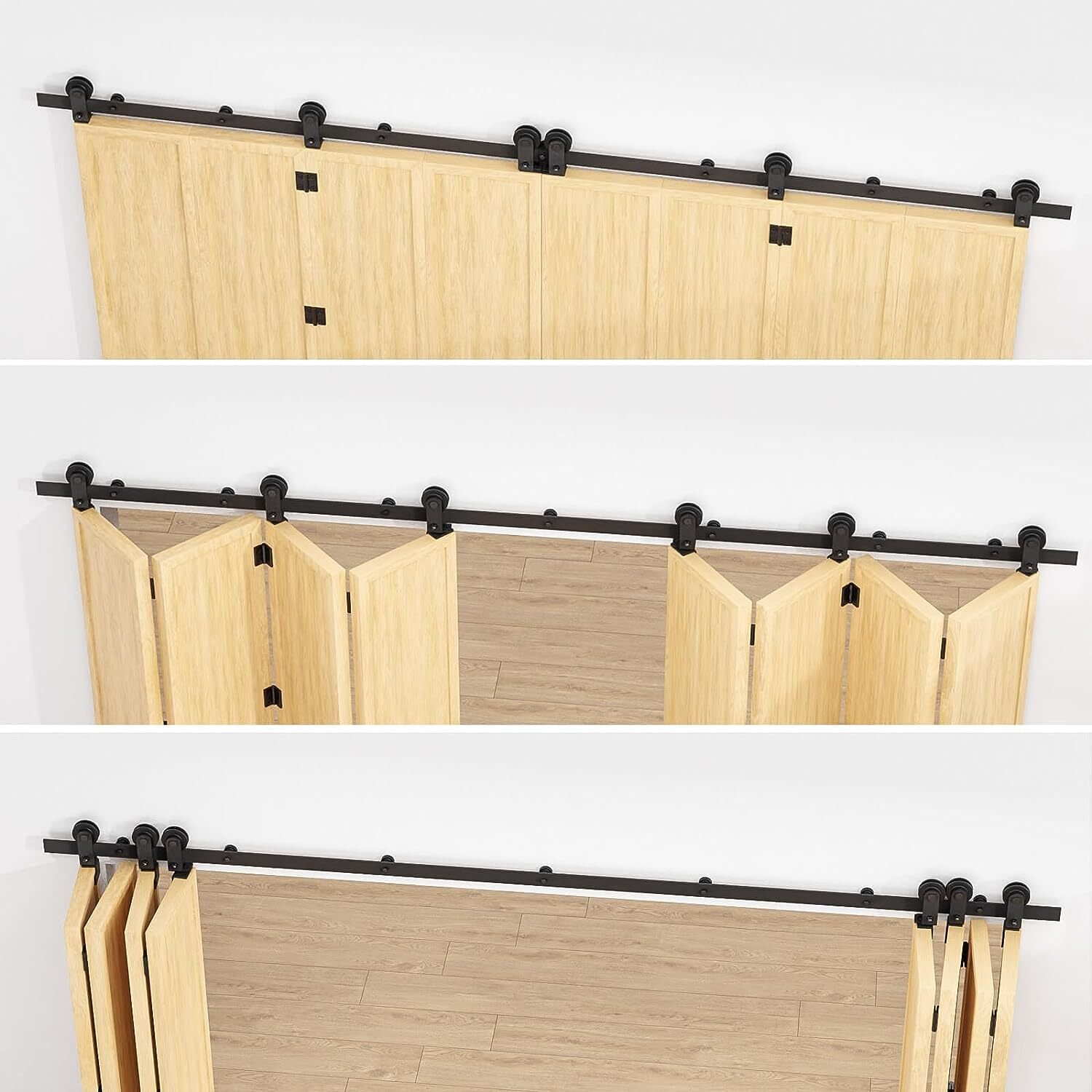
Design flexibility is one of the strongest advantages of aluminum folding windows.
Aluminum systems allow:
- Slim sightlines
- Larger glass surfaces
- Consistent color finishes
- Contemporary architectural expression
uPVC systems:
- Use thicker profiles
- Offer limited long-term color stability
- Suit simpler architectural designs
In some regions, alternative layouts like vertical folding configurations are also considered where space constraints exist.
Sustainability and Environmental Impact
Sustainability is becoming a key consideration in modern construction.
Aluminum:
- Is fully recyclable
- Retains material value
- Supports long product lifecycles
uPVC:
- Has limited recycling potential
- Shorter usable lifespan
- Higher long-term material waste
According to the International Aluminium Institute, aluminum is among the most recycled construction materials globally, supporting sustainable building practices. Many manufacturers now focus on eco-friendly material choices to further reduce environmental impact.
Which Is Better for Indian Climate and Architecture?
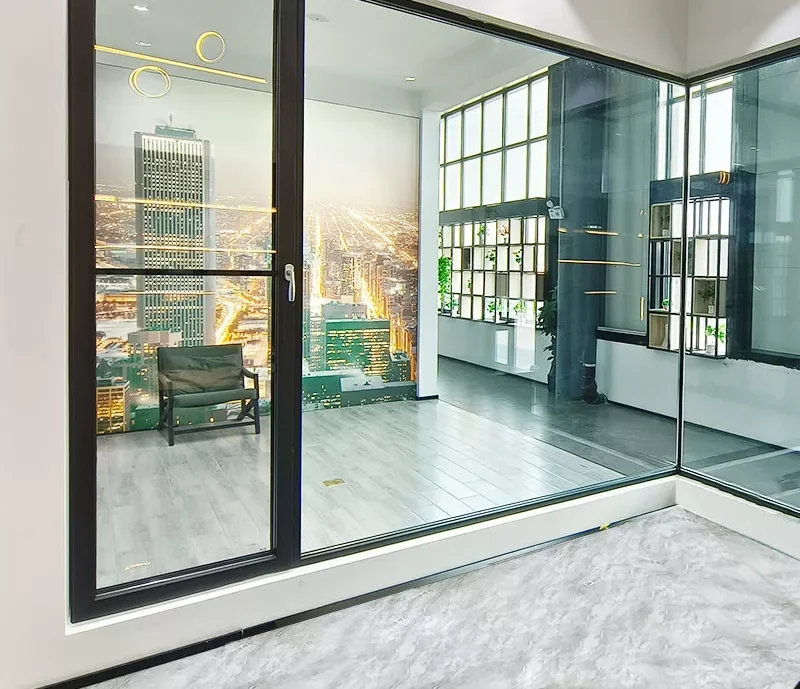
From my experience, material selection should always reflect climate and usage.
- Villas benefit from aluminum folding windows due to large openings
- High-rise buildings require higher wind-load resistance
- Commercial spaces need durability under frequent use
- Hot and coastal regions demand corrosion resistance
Guidelines from the Bureau of Indian Standards help define material performance expectations in Indian conditions.
Aluminum vs uPVC Folding Windows: Quick Comparison Table
| Feature | Aluminum Folding Windows | uPVC Folding Windows |
| Initial cost | Higher | Lower |
| Lifespan | Long | Moderate |
| Maintenance | Low | Moderate |
| Panel size | Large | Limited |
| Design flexibility | High | Limited |
| Sustainability | Excellent | Moderate |
| Ideal use | Premium and commercial | Budget residential |
Why Oridow Is the Best Supplier for Folding Windows
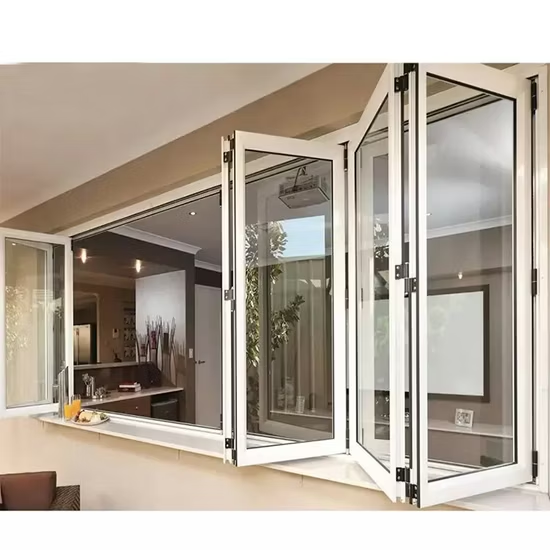
When you invest in folding windows, the supplier plays a critical role in system performance. I believe Oridow stands out because the focus is on engineered solutions rather than generic products.
What defines Oridow’s approach:
- Specialization in aluminum folding systems
- Climate-appropriate engineering
- Precision manufacturing standards
- Custom solutions for varied architectural needs
This engineering mindset is reflected across the Oridow product portfolio, designed to balance durability, usability, and aesthetics. At Oridow, I focus on delivering systems that align with the broader philosophy behind Oridow window solutions.
Final Verdict: Which One Should You Choose?
If your priority is low upfront cost, uPVC folding windows may suit your needs.
If you value:
- Structural reliability
- Large openings
- Long lifespan
- Contemporary design
Then aluminum folding windows are the stronger long-term choice. I always advise choosing based on how the space will be used rather than cost alone.
FAQs
Are aluminum folding windows more expensive than uPVC?
Yes, aluminum folding windows usually cost more initially, but they often provide better long-term value.
Which folding windows last longer?
Aluminum folding windows generally last longer due to superior resistance to heat and UV exposure.
Are aluminum folding windows energy efficient?
With thermal break frames and suitable glazing, aluminum folding windows can achieve high energy efficiency.
Which option performs better for noise reduction?
Both materials can perform well acoustically when paired with proper glass and sealing systems.
Which folding windows are better for large openings?
Aluminum folding windows are better suited for large openings due to higher structural strength.
For additional guidance on energy performance and glazing efficiency, resources from Energy Star explain how window systems influence thermal behavior.


