

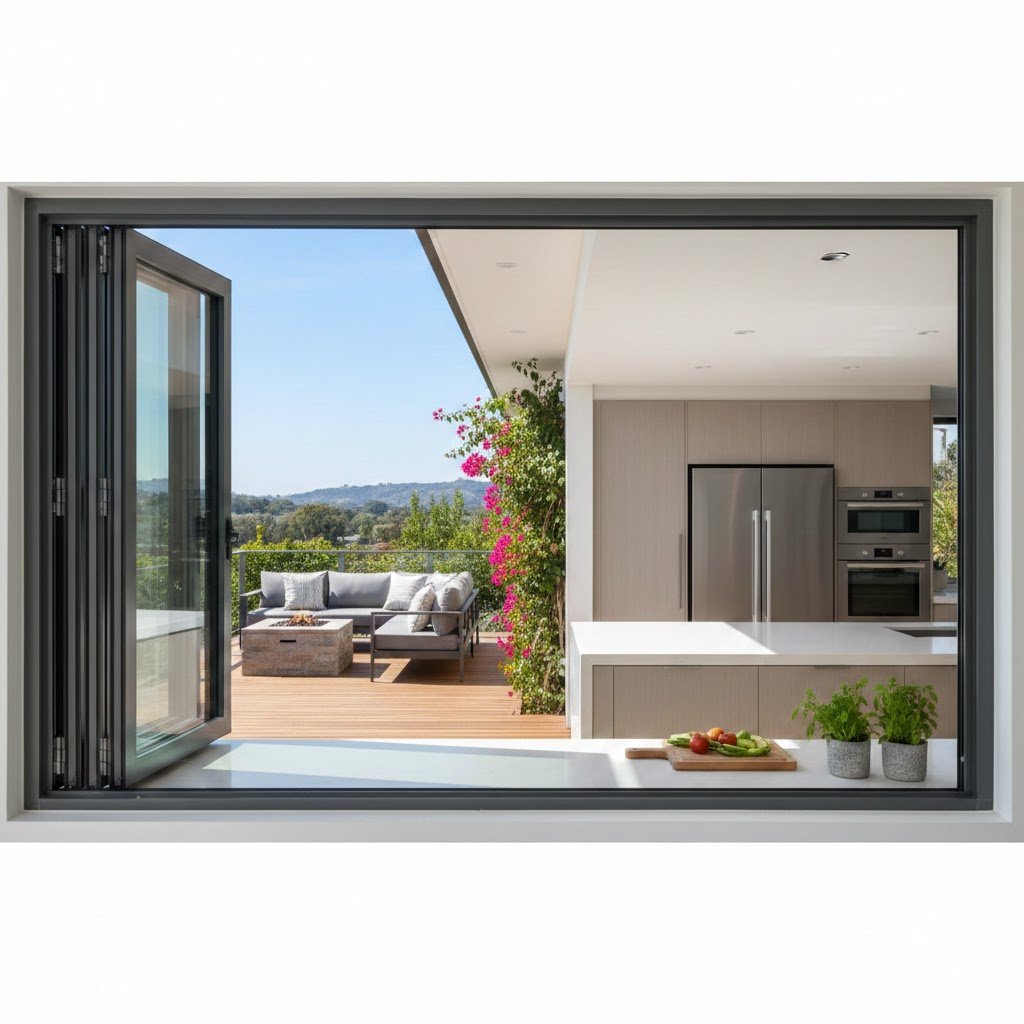
Aluminum bifold windows are large, multi-panel window systems that fold and stack to create wide openings. When installed correctly, they provide smooth operation, strong weather protection, and long-term durability. When installed incorrectly, they often cause leaks, drafts, misalignment, and hardware failure.
The most common aluminum bifold window installation mistakes include inaccurate measurements, insufficient structural support, poor frame leveling, and improper sealing. Because bifold systems rely on precise alignment and load distribution, even small installation errors can affect performance.
Understanding these common mistakes helps ensure your bifold windows operate smoothly, meet energy efficiency standards, and last for decades in climates across Australia, the UK, and the USA.
Key Takeaways:
What Are the Most Common Aluminum Bifold Window Installation Mistakes?
Industry data from building envelope specialists indicates that over 60% of window performance issues stem from installation deficiencies rather than manufacturing defects. Because bifold systems rely on moving panels, tracks, and precision hardware, they are particularly sensitive to improper setup.
1. Incorrect Opening Measurements
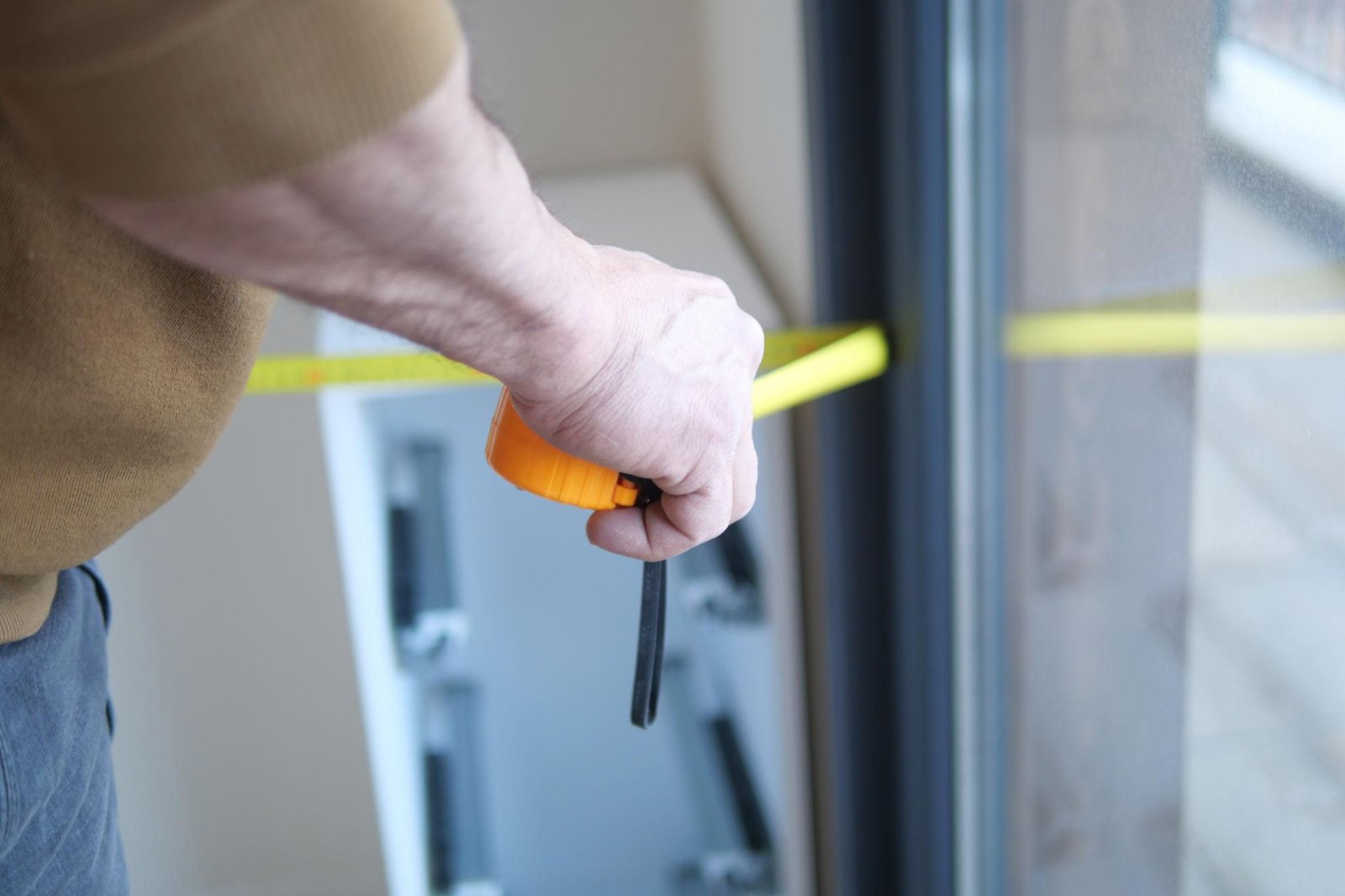
Precision measurement is critical for smooth operation.
Common errors include:
-
Measuring only once instead of at multiple points
-
Failing to check diagonal measurements for squareness
-
Ignoring uneven wall surfaces
-
Not accounting for plaster, tile, or cladding thickness
Consequences:
-
Panels dragging against frames
-
Uneven gaps between panels
-
Poor locking engagement
-
Incomplete weather sealing
Best practices:
-
Measure width at top, middle, and bottom
-
Measure height at left, center, and right
-
Confirm diagonal measurements match
-
Follow manufacturer tolerance recommendations
High-performance systems such as those detailed in these aluminum bifold windows require tight dimensional accuracy to ensure seamless folding and compression sealing.
2. Inadequate Structural Support
Bifold windows carry significant weight, especially when double or triple glazing is used. Structural reinforcement is essential.
Typical mistakes:
-
Using undersized lintels
-
Failing to consult structural load requirements
-
Ignoring long-span deflection limits
Potential long-term problems:
-
Header sagging
-
Frame distortion
-
Panel misalignment
-
Glass stress cracking
In Australia and coastal UK regions where wind loads are higher, insufficient reinforcement can compromise both safety and functionality.
Structural Integrity Comparison
| Installation Factor | Proper Installation | Improper Installation |
|---|---|---|
| Lintel Support | Engineered for load capacity | Undersized or unverified |
| Deflection Control | Within manufacturer tolerance | Excessive header movement |
| Load Distribution | Evenly distributed across track | Concentrated stress points |
| Long-Term Stability | Maintains alignment | Gradual misalignment |
3. Poor Leveling and Frame Alignment
Bifold windows must be perfectly level and plumb for smooth operation.
Common alignment issues:
-
Uneven sill placement
-
Rushing frame squaring
-
Skipping post-install adjustment
Operational consequences:
-
Panels sticking or binding
-
Locking mechanisms failing
-
Seal compression inconsistencies
Understanding the mechanical principles outlined in how bifold window systems operate helps clarify why precise leveling directly impacts panel balance and long-term durability.
4. Improper Waterproofing and Drainage
Water infiltration is one of the most expensive consequences of incorrect installation.
Common waterproofing errors:
-
Inadequate flashing installation
-
Incorrect sill pan positioning
-
Blocked weep holes
-
Interior-grade sealant used externally
Climate considerations:
-
Australia: Heavy rain and coastal salt exposure
-
UK: Frequent rainfall and humidity
-
USA: Varied conditions including snow and wind-driven rain
Proper flashing integration and drainage design protect both structural framing and insulation systems.
5. Low-Quality or Improperly Installed Hardware
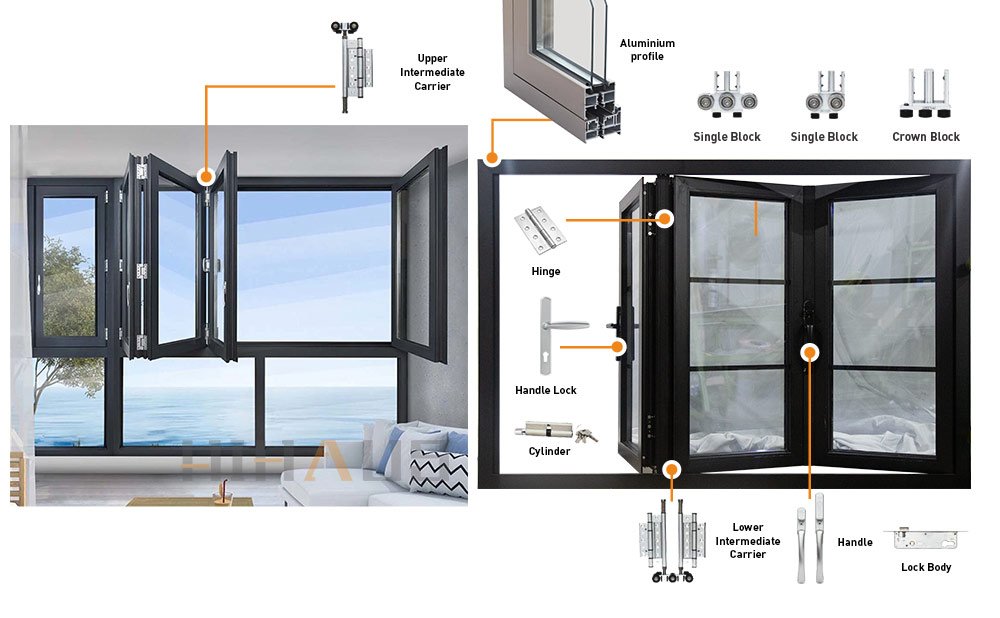
Hardware quality directly affects functionality.
Common problems include:
-
Inferior rollers
-
Weak hinges
-
Poor locking systems
-
Corrosion-prone materials
Selecting durable components, as discussed in this guide to high-quality bifold window hardware, significantly reduces maintenance and operational failures.
How Can You Ensure Proper Aluminum Bifold Window Installation?
Successful installation follows a structured approach.
Step 1: Pre-Installation Assessment
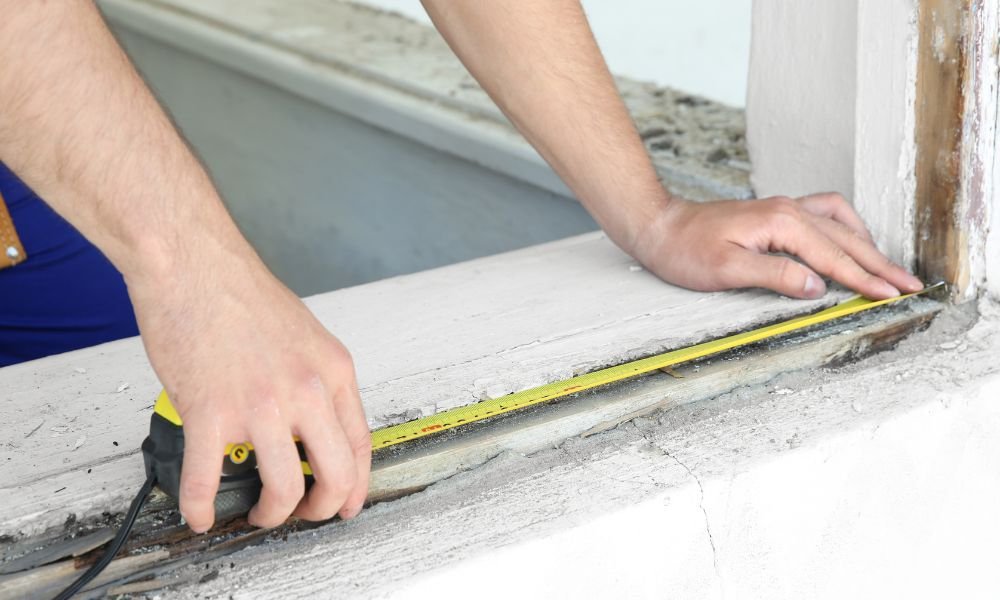
Before fitting the system:
-
Confirm opening dimensions and squareness
-
Inspect structural framing
-
Review local building codes
-
Evaluate wind load and thermal requirements
In contemporary projects where bifold systems define open-plan living, careful integration with surrounding architecture is essential.
Step 2: Follow Manufacturer Specifications Precisely
Each system includes specific requirements for:
-
Anchor spacing
-
Frame clearance tolerances
-
Load-bearing calculations
-
Drainage design
-
Sealant type and application
Deviating from these instructions voids warranties and compromises long-term performance.
Professionals designing open-plan kitchens and commercial spaces often reference the broader architectural role of bifolds in modern architectural applications to ensure correct structural integration.
Step 3: Conduct Comprehensive Post-Installation Testing
Testing must include:
-
Multiple open-close cycles
-
Locking engagement verification
-
Seal compression checks
-
Drainage inspection
-
Visual gap assessment
Testing ensures early detection of alignment or sealing issues before interior finishes are completed.
Installation Accuracy: Proper vs Improper Setup
| Performance Category | Correct Installation | Incorrect Installation |
|---|---|---|
| Panel Movement | Smooth, silent glide | Dragging or resistance |
| Weather Protection | Tight seal, no drafts | Air leaks and moisture intrusion |
| Security | Fully engaged locking points | Misaligned locking |
| Energy Efficiency | Maintained thermal barrier | Heat loss or gain |
| Longevity | 20–30 years expected lifespan | Premature hardware failure |
What Problems Occur If Aluminum Bifold Windows Are Installed Incorrectly?
Improper installation can affect multiple building systems.
Short-Term Issues
-
Drafts and air leakage
-
Stiff or noisy operation
-
Uneven panel gaps
-
Visible frame bowing
Long-Term Consequences
-
Structural sagging
-
Water damage and mold growth
-
Increased energy bills
-
Voided manufacturer warranty
-
Full system replacement costs
Energy efficiency standards in the UK and parts of the USA require compliance with thermal performance benchmarks. Improper sealing undermines compliance and increases HVAC demand.
Climate Considerations for Australia, UK, and USA
Australia
-
High UV exposure
-
Coastal corrosion risks
-
Strong wind loads
United Kingdom
-
Persistent rain
-
Condensation management needs
United States
-
Varied climates including snow, hurricanes, and desert heat
Installation must account for these environmental factors to maintain structural integrity and thermal efficiency.
Why Oridow Is the Right Supplier for Aluminum Bifold Windows
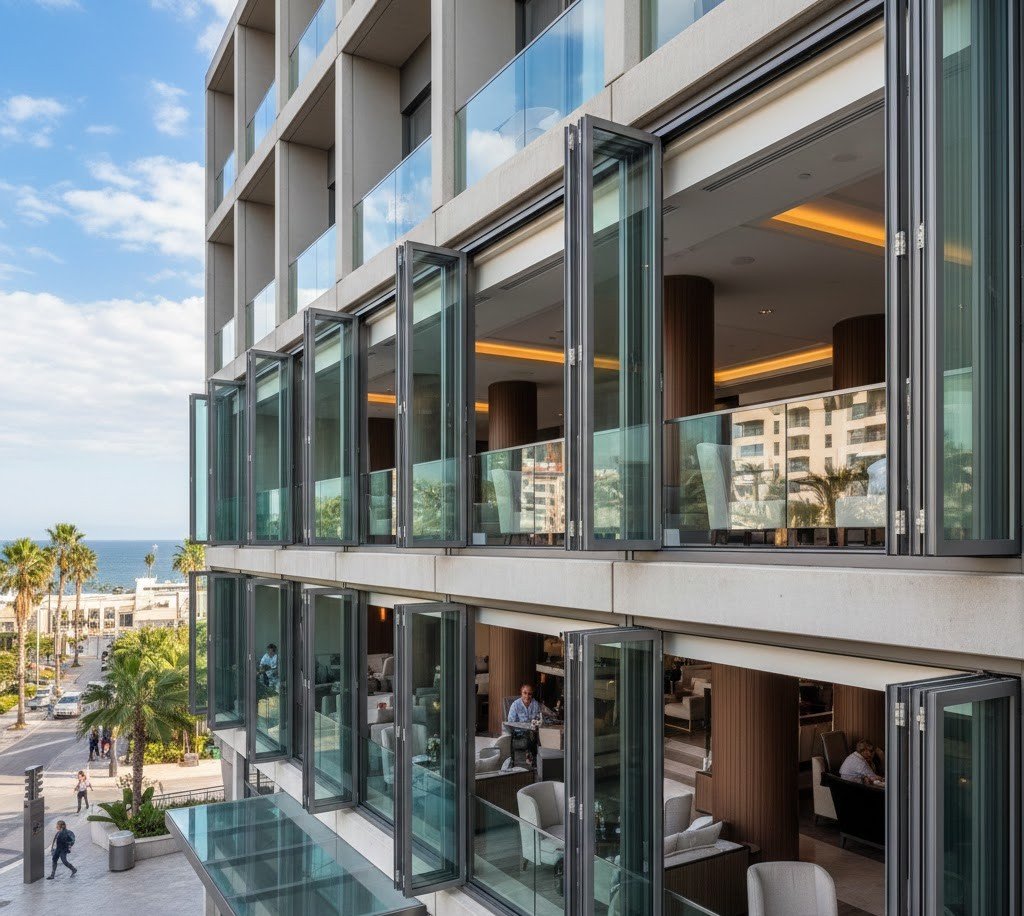
Installation success begins with product engineering quality. Systems manufactured with durable aluminum frames, corrosion-resistant finishes, and precision rollers reduce performance risk when installed correctly.
Oridow aluminum bifold systems offer:
-
Robust aluminum frame construction
-
Customizable panel configurations
-
Multi-point locking security
-
Weather-resistant surface finishes
-
Flexible glazing options
Their technical specifications support structural reliability and smooth operation, aligning with professional installation standards. Project inquiries and technical consultation are available through the Oridow contact and technical support team.
Final Considerations Before Installation
Aluminum bifold windows deliver exceptional performance when structural preparation, alignment precision, and waterproofing standards are strictly followed. Small installation errors can compound over time, leading to costly repairs and operational frustration.
Selecting engineered systems from a reputable supplier such as Oridow aluminum window solutions and combining them with experienced professional installation ensures long-term durability, energy efficiency, and seamless operation.
Frequently Asked Questions
How long do aluminum bifold windows last?
With proper installation and quality hardware, aluminum bifold windows typically last 20–30 years or more. Coastal installations may require additional corrosion-resistant finishes.
Are aluminum bifold windows energy efficient?
Yes. Modern systems incorporate thermal breaks, double or triple glazing, and compression seals to improve insulation performance.
Can aluminum bifold windows leak?
They should not leak when properly flashed and sealed. Most leakage issues are linked to improper installation rather than product defects.
Do bifold windows require professional installation?
Due to structural reinforcement, alignment precision, and waterproofing requirements, professional installation is strongly recommended.
How often should bifold window hardware be maintained?
Tracks should be cleaned regularly, rollers lubricated annually, and seals inspected at least once per year to maintain optimal performance.


