

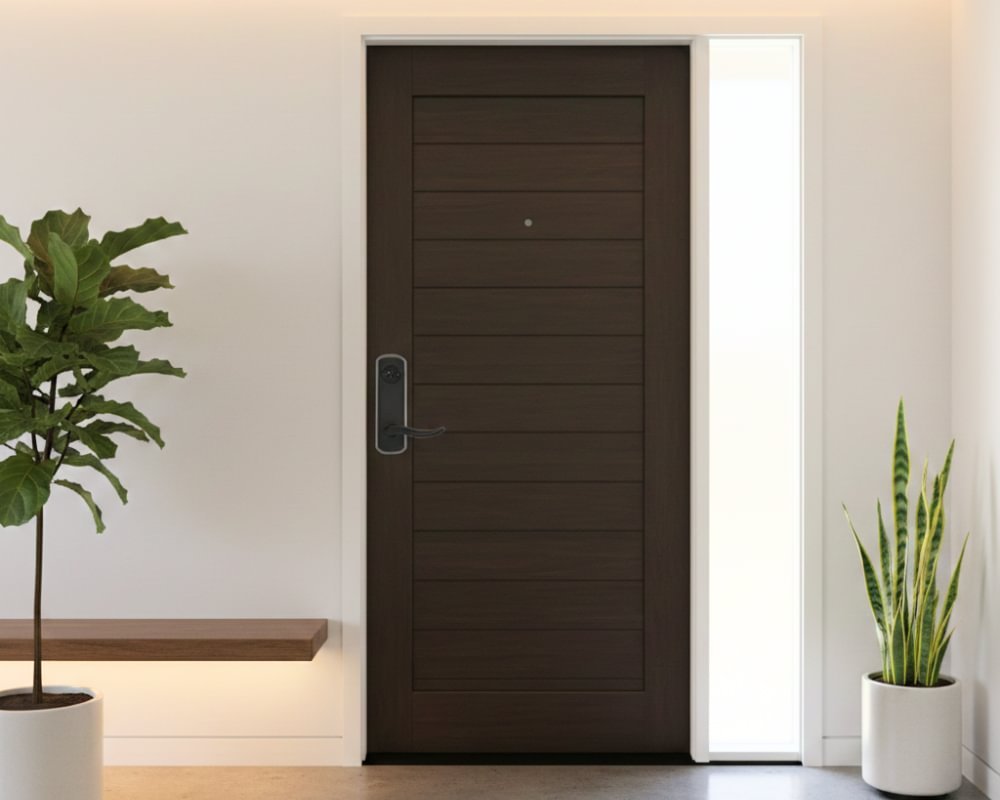
Upgrading your doors doesn’t have to mean ripping them out and starting over. An easy home door upgrade focuses on simple, affordable changes that improve security, style, energy efficiency, and convenience using tools and products you can install yourself. From smart locks and weather stripping to renter-friendly no-drill hardware and AI-powered future tech, small tweaks can completely change how your home feels and functions.
This guide breaks down research-backed, practical ideas into clear sections so you can choose upgrades that match your budget, skill level, and future plans.
1. What Is an Easy Home Door Upgrade (and Why It Matters)?
An easy home door upgrade means improving your existing door instead of replacing it. You keep the frame and slab, and focus on hardware, seals, security, and tech. This approach is cheaper, faster, and usually DIY-friendly. It’s especially useful for renters, busy homeowners, and anyone who wants visible improvement without construction dust or contractor costs.
By targeting key areas lock, handle, weatherproofing, and visual design you can boost comfort and security in a single afternoon. These small upgrades also prepare your home for future smart systems without committing to a full renovation now.
Key points:
- Works with the door you already have
- Focuses on hardware, tech, and sealing, not heavy carpentry
- Ideal for renters, beginners, and tight budgets
- Improves security, comfort, and aesthetics at the same time
- Can be done in short sessions instead of big projects
- Often compatible with future smart home expansions
2. Security Upgrades Without Replacing the Door
Door security isn’t only about how thick the door is weak locks, flimsy strike plates, and loose hinges are often the real problem. An easy home door upgrade can dramatically improve safety using reinforcement hardware that installs with basic tools. Strengthening the strike plate, jamb, and hinges makes it harder for intruders to kick in the door, even if your lock is standard.
You can also add visual and physical deterrents like door security bars and peepholes to discourage attempts in the first place. These upgrades don’t require structural changes, so they’re usually allowed even in rentals (but always check your lease).
Practical security upgrades:
- Reinforced strike plate with long screws into the wall studs
- Door jamb reinforcement kit to resist kick-ins
- Hinge screws upgraded to longer, stronger ones
- Door security bar or brace that wedges under the handle
- Wide-angle peephole or simple door viewer
- Latch/chain guards for extra protection when partially open
3. Smart Locks & Keyless Entry: Modern Convenience and Control
A smart lock is one of the highest-impact, easy door upgrades you can make. Instead of traditional keys, you can unlock your door using PIN codes, fingerprint, phone app, NFC tags, or voice assistants. Many modern smart locks are designed to retrofit onto existing deadbolts, meaning you don’t need to change the door or frame.
Smart locks also add control and visibility: you can see who unlocked the door and when, create temporary codes for guests, and lock or unlock remotely if you forget before leaving. As standards like Matter spread, smart locks are becoming more interoperable with different smart home brands, making them more future-proof.
Smart lock features to look for:
- Keypad or fingerprint unlock for keyless entry
- App control to lock/unlock remotely
- Audit history of entries and exits
- Guest codes with time limits (cleaners, deliveries, Airbnb guests)
- Battery backup and physical key override
- Compatibility with Google Home, Alexa, Apple Home, or Matter
4. Renter-Friendly & No-Drill Door Upgrades
Renters often feel stuck with whatever door the landlord installed but that’s not always true. There are many no-drill, removable products that give you better security, privacy, and comfort without leaving marks. These upgrades are perfect for apartments and student housing because they can come with you when you move.
Look for adhesive, clamp-on, or under-door solutions. They avoid screws and nail holes, making them “deposit-safe” if removed carefully. Always read the product details to ensure they’re safe for painted or varnished surfaces, especially with strong adhesives.
Renter-friendly door ideas:
- Portable door locks that latch onto the strike plate from the inside
- Clamp-on door locks for extra interior security
- Under-door security bars that wedge between the floor and handle
- Peel-and-stick weather stripping for gaps and drafts
- Removable draft stoppers that slide under the door
- No-drill smart locks that fit over existing thumb turns (for inside use)
5. Aesthetic Door Makeovers: Handles, Wraps & Hardware
You don’t need a brand-new door to get a modern, designer look. Simple aesthetic upgrades can dramatically change the vibe of your entry. Swapping old, shiny brass hardware for matte black, brushed nickel, or warm brass instantly modernizes the space.
You can also transform the flat panel itself using vinyl wraps, decals, or faux wood/metal finishes. These are especially powerful for interior doors in hallways and bedrooms, where style really shows. Combining hardware changes with a fresh coat of paint or a peel-and-stick panel can make your door look like a custom piece.
Visual upgrade ideas:
- New handle + deadbolt set in modern finishes
- Matching hinges and door stop for a cohesive look
- Vinyl door wraps (solid colors, wood textures, or patterns)
- Minimalist decals for numbers, names, or icons
- Decorative door knockers for character
- Upgraded trim or casing around the door for a finished appearance
6. Energy-Efficient & Insulation-Focused Door Improvements
A poorly sealed door leaks both heat and money. Even a solid door can be an energy waster if gaps around the sides, top, or threshold allow drafts. An easy home door upgrade targets weatherproofing and insulation to improve comfort and reduce utility bills.
You don’t need to replace the entire door weather stripping, door sweeps, and draft stoppers are inexpensive and highly effective. Better sealing also improves soundproofing, which is important if your door faces a busy street or noisy hallway. Think of this as putting a proper lid on your “home comfort container.”
Insulation and weatherproofing upgrades:
- Adhesive foam or rubber weather stripping around the frame
- Adjustable door sweep to seal the gap at the bottom
- Under-door draft blockers (slide-on or weighted fabric)
- Caulking or sealant around the exterior trim cracks
- Insulating door curtains on very drafty exterior doors
- Sound-dampening panels for thin or hollow-core doors
7. Sustainable & Eco-Friendly Door Upgrade Ideas
If you care about sustainability, your door upgrades can reflect that. Instead of buying entirely new doors, you extend the life of the existing one and choose eco-conscious materials and finishes. Reusing the door and only upgrading what’s necessary cuts down on waste.
You can choose hardware made from recycled metals, paints and finishes with low VOCs, and long-lasting components that don’t need frequent replacement. Combining sustainable materials with energy-saving weatherproofing makes your door both greener and more cost-effective over time.
Eco-friendly upgrade options:
- Low-VOC paints and stains for repainting doors
- Recycled or reclaimed metal hardware when possible
- Durable, long-life locks and hinges to reduce waste
- Natural fiber draft blockers (cotton, wool, jute)
- Energy-efficient sealing to reduce heating/cooling needs
- Upcycling old doors as interior sliding doors or room dividers instead of trash
8. DIY Door Upgrade Projects for Beginners
Many door upgrades are fully realistic for beginners with basic tools like a screwdriver, drill, and measuring tape. Starting with simple projects builds your confidence and gives fast, visible results. Focus first on upgrades that are forgiving where small mistakes won’t ruin the door.
Always measure twice, read the instructions, and watch a quick tutorial if you’re installing hardware for the first time. Most modern products are designed for DIY installation, with templates and adjustment options to fit slightly misaligned holes or older doors.
Beginner-friendly DIY projects:
- Replacing a door handle/knob using existing holes
- Swapping the deadbolt and strike plate
- Installing peel-and-stick weather stripping
- Adding a slide-on draft stopper or door sweep
- Mounting a door security bar
- Installing a retrofit smart lock that uses the existing deadbolt
9. Future Trends: AI, Biometrics & Touchless Entry
Door technology is evolving fast. What used to be science fiction facial recognition, AI-based access rules, touchless opening is slowly entering the residential market. While not every home needs these features right now, it’s smart to understand where the trend is heading so you can choose upgrades that won’t become obsolete quickly.
Future-leaning systems will likely combine multiple authentication modes (phone, biometrics, PIN, behavior patterns) and focus on privacy and cybersecurity. Many will integrate with broader smart home ecosystems, responding to automations like “Goodnight,” “Away Mode,” or emergency alerts.
Future-oriented door features to watch:
- Facial recognition entry for key family members
- AI-driven access patterns (alerts on unusual activity)
- Touchless or gesture-based opening for hygiene and accessibility
- Geofencing, unlocking when your phone is nearby
- Encrypted, privacy-focused smart locks with local data storage
- Integrated safety sensors (smoke, fall detection near the door, emergency unlocks)
10. Cost & ROI: Choosing the Right Door Upgrade for Your Budget
Not all upgrades need a big budget. The key is matching cost to impact. Small investments in sealing and basic hardware can pay off immediately, while smart locks and high-tech options often bring convenience and long-term value. Think about how long you’ll stay in the home, whether it’s rented or owned, and what matters most: security, comfort, style, or future tech.
A good strategy is to combine one higher-impact item (like a smart lock) with several low-cost improvements (like weather stripping and handle upgrades). This creates visible change and better daily experience without overspending.
Budget planning guide:
- Low budget (under $50): draft stoppers, basic weather stripping, new door stop
- Medium budget ($50–$150): better hardware sets, peephole camera, reinforcement kits
- High budget ($150–$300+): smart lock, video doorbell, combo of security + design upgrades
- Best ROI combos: smart lock + weather stripping + updated handle/trim
- Consider resale: buyers love homes with visible security and smart techBelow is a clean, ready-to-publish blog post written in a professional, SEO-friendly style.
You can paste this directly into WordPress, Blogger, Medium, or any CMS.Different Types of Doors Explained: Key Differences, Pros, and Best Uses


Choosing the right door is more important than many homeowners realize. Doors affect security, energy efficiency, aesthetics, noise control, and compatibility with modern upgrades like smart locks. Whether you’re building a new home, renovating, or planning an easy door upgrade, understanding the differences between door types helps you make smarter decisions.
In this guide, we break down the most common types of doors, compare their features, and explain where each one works best.
1. Solid Wood Doors
Solid wood doors are made entirely from natural wood or engineered solid timber. They are considered a premium choice due to their durability and classic appearance.
Key Features
- Heavy and strong construction
- Excellent sound and temperature insulation
- Traditional, high-end look
Pros
- High security and durability
- Ideal for smart locks and heavy hardware
- Can be refinished multiple times
Cons
- Expensive compared to other options
- Sensitive to humidity and moisture
- Heavier to install
Best for: Main entrance doors, luxury interiors, traditional homes
2. Hollow Core Doors
Hollow core doors are lightweight doors with a honeycomb cardboard interior and thin outer panels. They are commonly used for interior rooms.
Key Features
- Lightweight and affordable
- Easy to install and replace
Pros
- Budget-friendly
- Widely available
- Suitable for interior use
Cons
- Poor sound insulation
- Very low security
- Not suitable for smart locks
Best for: Bedrooms, closets, interior spaces
3. Steel (Metal) Doors
Steel doors are known for their strength and are commonly used for exterior and security purposes. Most have an insulated core wrapped with steel sheets.
Key Features
- Very high strength
- Fire- and impact-resistant
Pros
- Excellent security
- Affordable compared to solid wood
- Resistant to warping
Cons
- Can dent on impact
- Prone to rust if finish is damaged
- Industrial look if not styled properly
Best for: Exterior entry doors, security-focused homes
4. Fiberglass Doors
Fiberglass doors combine modern performance with the look of wood. They are one of the most popular choices for modern homes.
Key Features
- Composite construction
- Durable and weather-resistant
Pros
- Excellent insulation
- Low maintenance
- Compatible with smart locks
- Resists warping, rust, and cracking
Cons
- Higher initial cost
- Harder to repair deeply damaged areas
Best for: Exterior doors, smart homes, energy-efficient houses
5. uPVC Doors
uPVC doors are commonly used in energy-efficient and budget-conscious homes.
Key Features
- Lightweight plastic-based composite
- Multi-chamber insulation
Pros
- Good thermal insulation
- Low maintenance
- Moisture resistant
- Cost-effective
Cons
- Limited design options
- Less premium look
- Lower structural strength than metal
Best for: Energy-efficient homes, balconies, utility areas
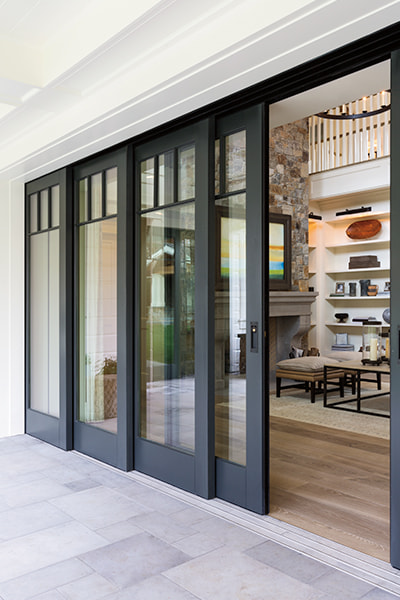
6. Glass Doors
Glass doors may be fully glass or partially glass-paneled. They are popular for patios and modern interiors.
Key Features
- Transparent or frosted glass panels
- Allows natural light
Pros
- Modern and stylish appearance
- Enhances indoor brightness
- Makes spaces feel larger
Cons
- Less privacy
- Lower security unless reinforced
- Requires regular cleaning
Best for: Patios, balconies, interior partitions
7. Sliding Doors vs Hinged Doors
Doors are also classified by how they open.
Sliding Doors
- Save space
- Ideal for patios and balconies
- Limited locking strength
Hinged Doors
- Traditional swing operation
- Better sealing and security
- Compatible with most door upgrades
Final Thoughts
Understanding the difference between door types allows you to choose doors that match your security needs, budget, and upgrade plans. Whether you want smart locks, better insulation, or a modern look, the right door material makes upgrades easier and more effective.
Before upgrading, always consider:
- Door location (interior vs exterior)
- Climate conditions
- Security requirements
- Compatibility with future smart technology
Choosing wisely now saves money and effort later.



Frequently Asked Questions (FAQ) About Easy Home Door Upgrades
1. What is the easiest upgrade I can start with?
The easiest upgrades are weather stripping and draft stoppers. They require no special skills, just cutting to size and sticking or sliding into place. If you’re comfortable with a screwdriver, replacing the existing handle and deadbolt is also straightforward. These changes give quick wins: less noise, fewer drafts, and a more solid door feel.
2. Are smart locks safe and reliable?
Modern smart locks from reputable brands are designed with encryption and layered security. They’re generally as safe or safer than traditional locks, especially when you use strong PINs and keep the firmware updated. For reliability, choose models that offer physical key backup and offline operation, so you can still get in during power or internet outages.
3. Can I install a smart lock on an old or wooden door?
In many cases, yes. Most smart locks are made to fit standard deadbolt holes, which older wooden doors often have. You’ll need to check that:
- The backset and bore hole size match the lock requirements
- The door isn’t warped or severely damaged
- The existing deadbolt can be replaced or retrofitted
If your door is very old or non-standard, you may need a professional or a retrofit-style smart lock that mounts over the interior part only.
4. What door upgrades are best for renters?
Renters should focus on non-permanent upgrades: portable door locks, clamp-on security bars, removable weather stripping, draft stoppers, and no-drill internal smart locks. These products improve comfort and safety without drilling into the door or frame. Always remove them carefully and clean any adhesive residue before moving out to protect your deposit.
5. How do I know if my door is leaking energy?
Signs include feeling drafts, seeing light around the edges when the room is dark, hearing outside noise clearly, and noticing rooms near that door are hotter or colder than others. You can do a simple test by holding a lit incense stick or thin tissue near the frame and watching for movement from air leaks. If you see it move, you likely need weather stripping or a door sweep.
6. Will these upgrades really increase my home’s value?
Yes especially visible, modern upgrades like smart locks, video doorbells, and quality hardware. Buyers increasingly expect some level of smart home capability and solid security. Even if the exact dollar value is hard to calculate, these upgrades can make your listing stand out and help your home feel more “move-in ready”, which is valuable in itself.
If you’d like, I can now:
- Turn this into a WordPress-ready post with meta title, meta description, and slug
- Add LSI/semantic keywords and internal link ideas
- Create schema.org FAQ markup you can paste into your site’s HTML for better SEO rich snippets


