

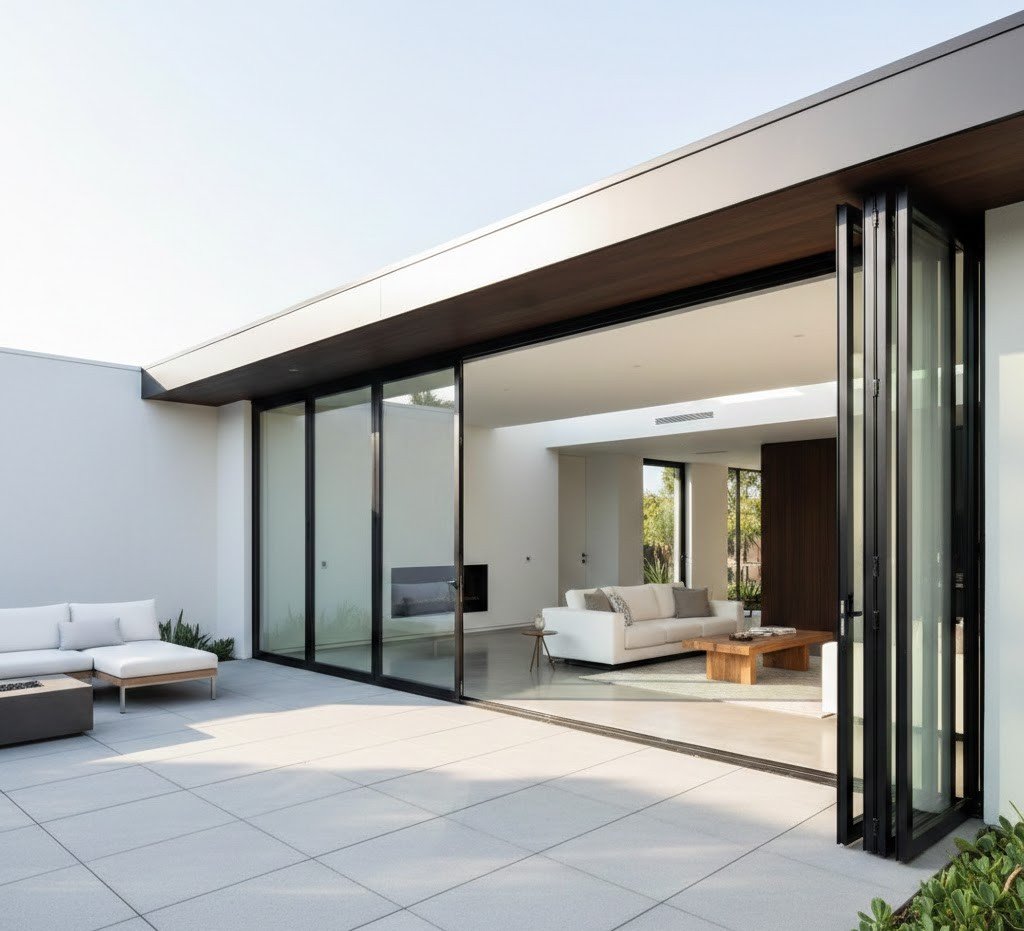
Choosing the right number of panels for your aluminum bifold door is one of the most important decisions in the planning stage. The panel count directly affects opening width, structural stability, smooth operation, and long-term performance. In most residential homes across Australia, the UK, and the USA, aluminum bifold doors typically feature 2 to 6 panels, with 3 or 4 panels being the most common configuration. The ideal number depends on your total opening width, panel size limits, and how you plan to use the space daily.
For standard patio openings around 2400mm, 3 panels usually provide the best balance between strength and accessibility. Wider openings between 3000mm and 3600mm often perform better with 4 panels, as weight is distributed more evenly across hinges and rollers. Choosing too few oversized panels can strain hardware, while too many narrow panels increase mechanical complexity. The correct configuration ensures smooth folding, proper alignment, and reliable long-term performance.
What Is the Ideal Number of Panels for an Aluminum Bifold Door?
There is no universal answer. The right panel count depends on proportions and engineering limits.
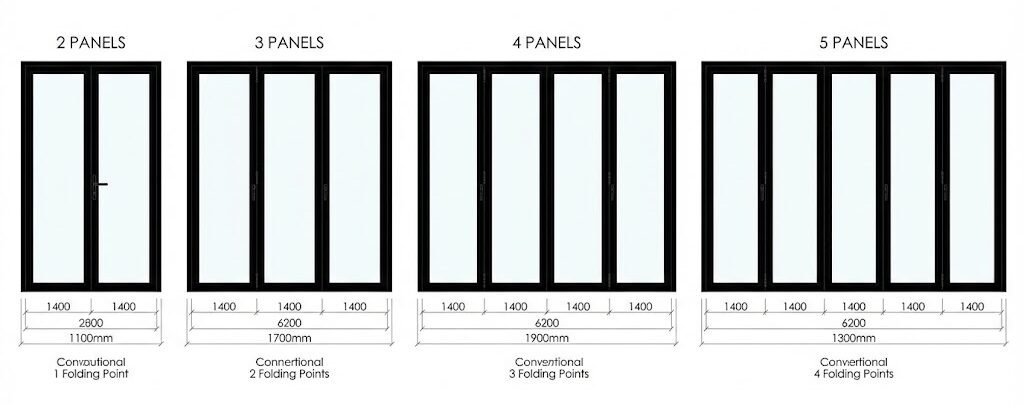
Standard Residential Panel Configurations
| Opening Width | Recommended Panels | Typical Panel Width |
| Up to 1800mm | 2 panels | 800–900mm |
| 2100–2400mm | 3 panels | ~700–800mm |
| 3000–3600mm | 4 panels | 750–900mm |
| 4200mm+ | 5–6 panels | 700–850mm |
Most premium aluminum systems limit panel width between 700mm and 1000mm to maintain structural integrity and smooth operation.
If you are also considering coordinated systems such as folding window units, the same structural principles apply to these aluminum folding windows. The key is maintaining correct proportions. Panels that are too wide become heavy and strain the hardware. Panels that are too narrow increase hinge count and mechanical complexity.
Does More Panels Mean Better Performance?
Not necessarily. More panels change how weight and movement are distributed.
What Increases with More Panels
- Hinge points
- Roller load zones
- Track length
- Seal joints
- Alignment precision requirements
Performance Comparison
| Fewer Panels | More Panels |
| Larger uninterrupted glass sections | Smaller individual panels |
| Cleaner modern appearance | Better weight distribution |
| Heavier per panel | Lighter per panel |
| Fewer moving components | More hardware connections |
| Faster stacking | More flexible configuration |
More panels may improve weight distribution, but increase the number of mechanical components that require long-term maintenance.
What Actually Matters More Than Panel Count
- Hardware strength
- Frame reinforcement
- Glass thickness
- Installation accuracy
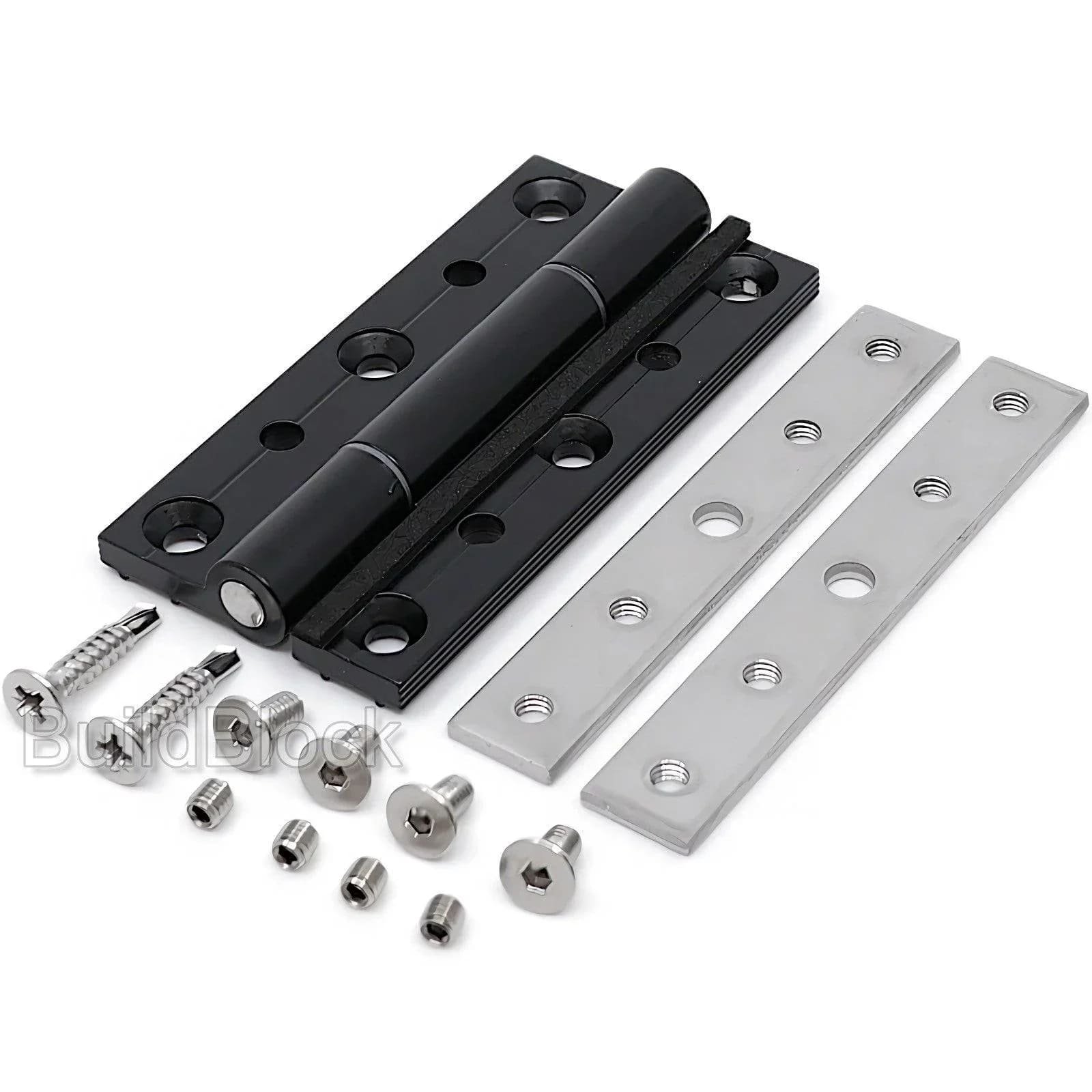
For example, stainless steel hinges and heavy-duty rollers significantly extend system life. Hardware quality is often more important than the number of panels itself. Understanding the mechanics behind how bifold windows operate helps explain why proper weight distribution and structural balance matter.
How Do You Choose the Right Panel Count for Your Space?
Selecting the correct configuration follows a structured process.
Step 1: Measure the Structural Opening
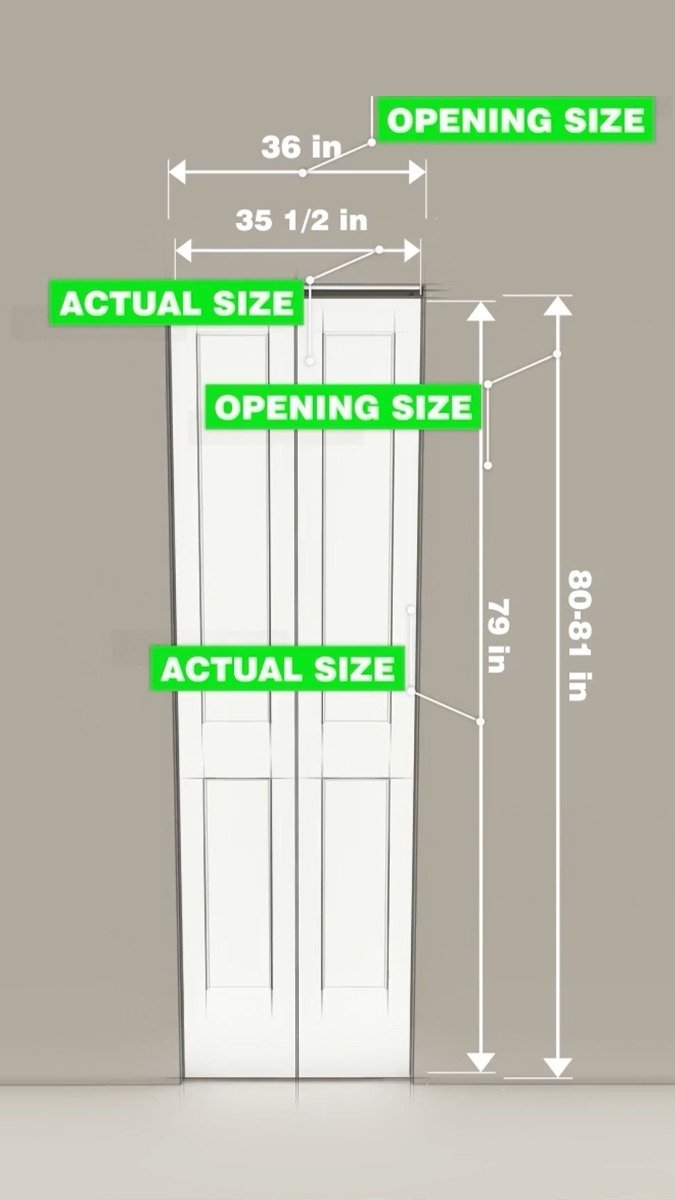
Examples:
- 2400mm opening → 3 panels (~800mm each)
- 3600mm opening → 4 panels (~900mm each)
Avoid maximizing panel width unless the profile system is engineered for it.
Step 2: Consider Daily Traffic Flow
If the bifold door is your primary access point:
- Include a traffic door panel
- Ensure one panel can operate independently
- Avoid excessively narrow panels that complicate entry
Step 3: Evaluate Climate Conditions
In Australia and coastal UK regions, wind pressure and moisture resistance matter.
More panels mean:
- More compression seals
- More locking points
- Greater alignment precision requirements
High-performance systems use advanced weather-resistant sealing to protect against air and water infiltration.
Step 4: Match the Architectural Style
Contemporary homes favor:
- Slim sightlines
- Wide glass areas
- Minimal vertical frame breaks
However, structural limits must guide aesthetic decisions. Oversized panels without proper reinforcement can lead to sagging and long-term track wear.
Are Fewer Panels Better for Modern Homes?
Many homeowners prefer fewer, wider panels for a cleaner look.
Advantages of fewer panels:
- Larger glass surfaces
- More natural light
- Minimal frame interruption
- Faster opening and closing
However, fewer panels mean:
- Increased panel weight
- Greater strain on rollers
- Higher stress on hinge points
Oversized panels that exceed structural guidelines may result in:
- Misalignment
- Operational stiffness
- Seal failure
- Hardware fatigue
In functional spaces such as kitchens, usability matters as much as appearance. Efficient panel design is especially important in kitchen pass-through configurations, where smooth folding and stacking improve workflow. Balance structural limits with design intent.
Why Aluminum Strength Determines Panel Flexibility
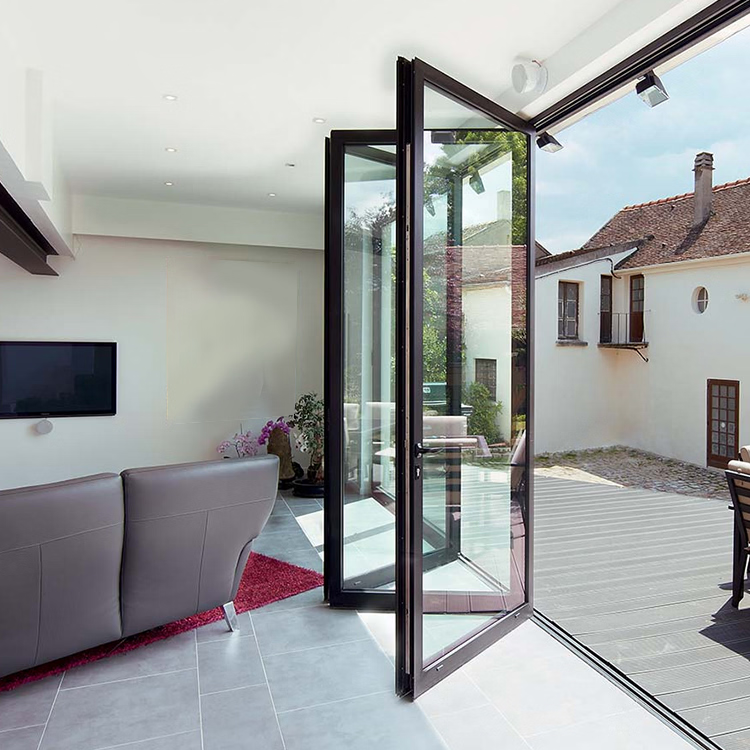
Aluminum is widely preferred because it offers:
- High strength-to-weight ratio
- Resistance to warping
- Slim profile capacity
- Low maintenance requirements
- Long structural lifespan
Material Comparison
| Aluminum | uPVC | Timber |
| Supports wide spans | Limited span capability | Can warp or swell |
| Slim sightlines | Bulkier frames | Requires maintenance |
| Durable in harsh climates | Less rigid | Sensitive to moisture |
| Minimal upkeep | Moderate upkeep | High upkeep |
Stronger materials allow greater flexibility in panel sizing without compromising stability.
For a deeper understanding of material advantages, explore professional insights on why aluminium is preferred for bifold windows.
Installer Insights: What Professionals Recommend
Across Australia, the UK, and the USA, experienced installers commonly recommend:
- 3 panels for openings around 2100–2400mm
- 4 panels for openings around 3000–3600mm
- Avoid pushing maximum panel width limits
- Invest in reinforced tracks and rollers
- Ensure precise alignment during installation
Installation accuracy plays a major role in long-term performance. A perfectly installed 5-panel system will outperform a poorly aligned 3-panel configuration. Professional fitting practices should follow the recommended bifold window installation process to maintain proper alignment and track stability for smooth operation.
Why Oridow Is the Right Supplier for Aluminum Bifold Windows
The reliability of an aluminium bifold window system begins with manufacturing precision. Engineering quality influences everything from structural integrity to long-term operational smoothness.
Oridow aluminium bifold windows are produced using:
- Precision-engineered aluminium extrusion for structural strength
- Reinforced corner joints to enhance frame stability
- Advanced glazing compatibility to support energy efficiency
- Heavy-duty hardware systems designed for frequent use
- Rigorous quality control testing before delivery
These specifications support both residential and commercial projects across Australia, the UK, and the USA, where durability, insulation, and compliance standards are essential.
For projects requiring specification clarity or structural coordination, Oridow Support Team provides access to additional support resources.
Frequently Asked Questions
How wide should each aluminum bifold door panel be?
Most systems recommend 700mm to 1000mm per panel, depending on structural engineering and glass thickness.
Are 3-panel bifold doors better than 4-panel doors?
Neither is universally better.
- 3 panels suit mid-sized openings and create wider glass sections.
- 4 panels distribute weight more evenly across larger spans.
What is the maximum number of panels for residential bifold doors?
Most residential aluminum systems support 2 to 6 panels, depending on track design and structural reinforcement.
Do more panels reduce energy efficiency?
More panels introduce additional frame lines and seals. High-quality thermal breaks and weather compression systems maintain insulation performance.
Which panel configuration is most popular in Australia, the UK, and the USA?
The most common setups are 3-panel and 4-panel configurations, offering strong structural performance while delivering wide, practical openings suitable for modern homes.


