

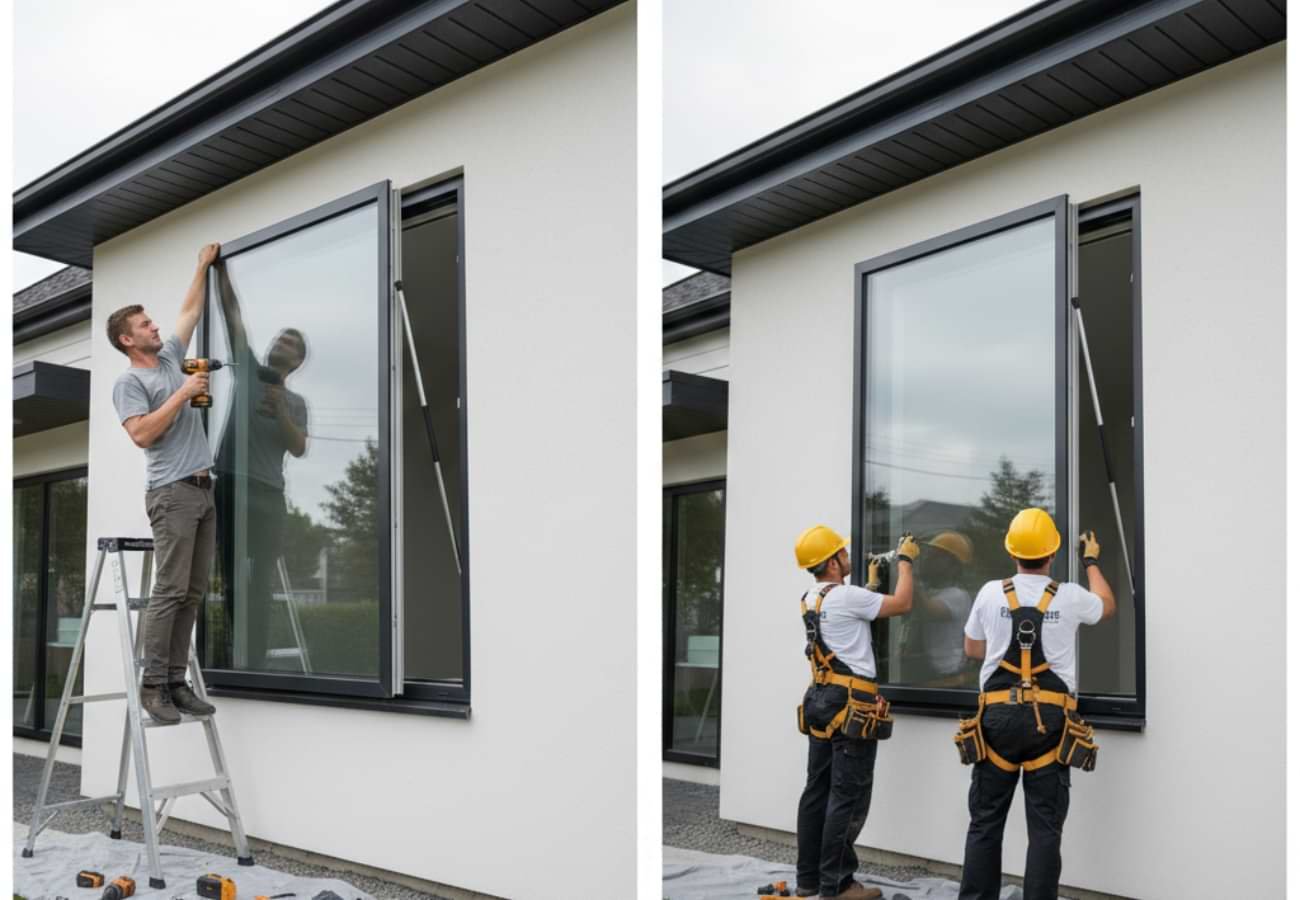
A gas strut window is a top-hinged window system that opens outward and upward using pressurized gas struts. It is designed to create a wide, unobstructed opening while remaining stable and easy to operate. These windows are increasingly popular in Australia, the UK, and the USA, especially in kitchens, cafés, bars, and outdoor entertaining areas.
When you decide to install a gas strut window, one question matters more than most. Should you install it yourself or hire a professional? The answer affects cost, safety, performance, and long-term reliability. Understanding the trade-offs helps you make the right choice for your space.
Why Proper Gas Strut Window Installation Is So Important?
Gas strut windows are engineered systems rather than standard windows. They rely on a balance between glass weight, hinge placement, strut pressure, and frame rigidity.
If any part of the system is incorrectly installed, you may experience:
- Uneven opening or closing
- Excessive force is needed to operate the window
- Water or air leakage
- Premature wear of struts and hinges
- Safety risks in high-use areas
As modern buildings increasingly feature large openings and open designs, installation accuracy becomes just as important as product quality.
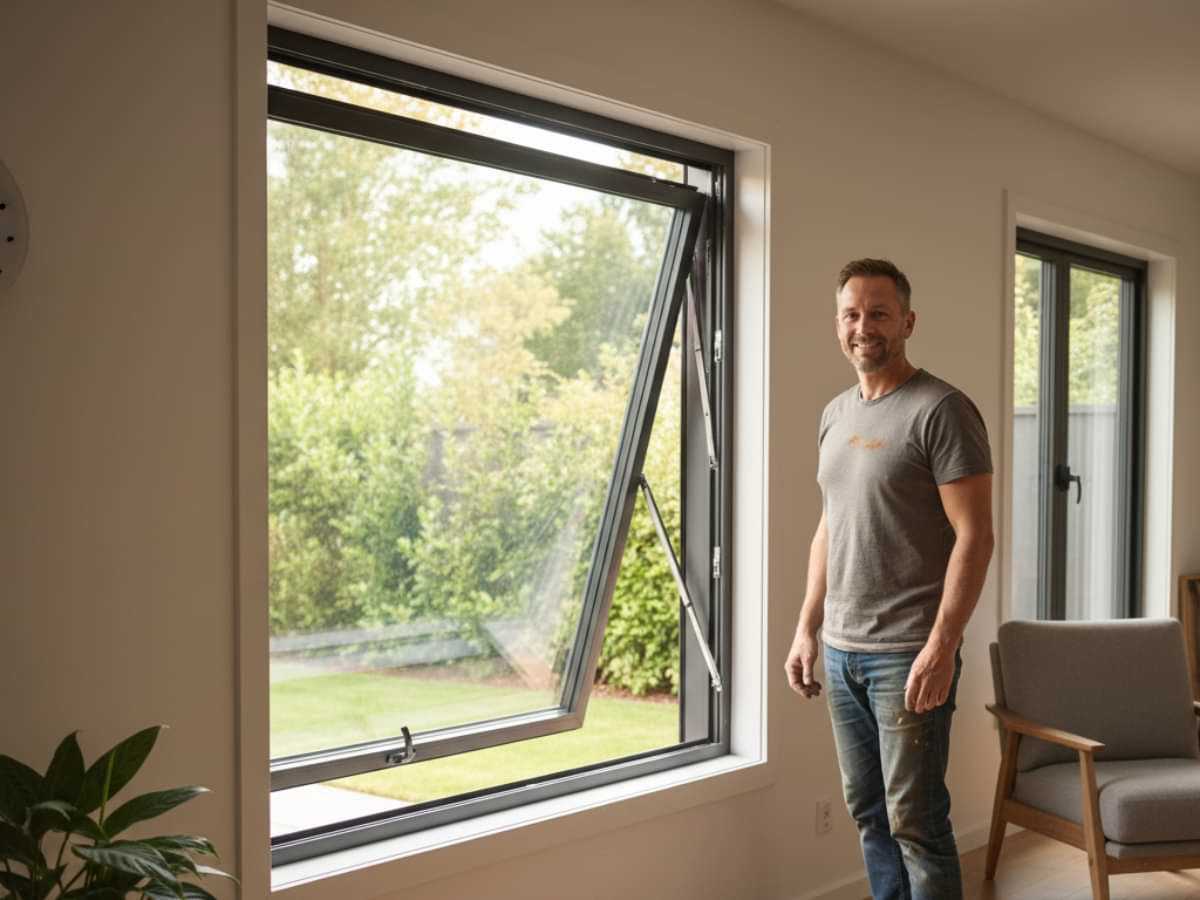
DIY Gas Strut Window Installation
DIY installation can work in the right circumstances, but it is not suitable for everyone.
Advantages of DIY Installation
DIY installation is often chosen by experienced renovators or builders who are confident with structural work.
Key benefits include:
- Lower upfront cost without professional labor fees
- Flexible scheduling during renovations or builds
- Full control over the installation process
- A better understanding of how the window system functions
With access to a detailed installation guide, some installers find DIY achievable for smaller or simpler openings.
Disadvantages of DIY Installation
Despite the appeal, DIY installation has clear limitations.
Common risks include:
- Incorrect measurements leading to frame distortion
- Wrong strut force selection, causing unsafe operation
- Inadequate sealing around the frame
- Structural issues if load paths are misunderstood
- Voided warranties if guidelines are not followed
Gas strut windows are heavy and under tension. Handling them without experience increases the chance of damage or injury.
Professional Gas Strut Window Installation
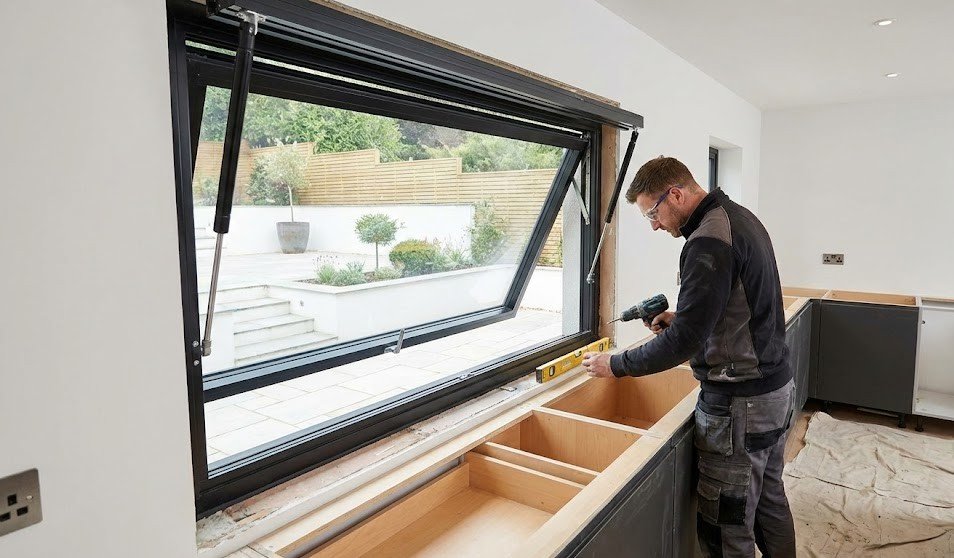
Professional installation is the most common choice for larger or higher-value projects.
Advantages of Professional Installation
Professional installers bring expertise, equipment, and accountability.
Benefits include:
- Accurate assessment of wall structure and load requirements
- Correct strut sizing based on sash weight and dimensions
- Compliance with building codes and safety standards
- Faster, cleaner installation
- Consistent alignment for smooth operation
Professionals are also familiar with integrating systems that include premium features into complex architectural openings.
Disadvantages of Professional Installation
The main drawback is higher upfront cost. Scheduling can also depend on contractor availability.
However, professional installation often reduces long-term maintenance and repair expenses, especially in commercial or exposed environments.
DIY vs Professional Installation: Side-by-Side Comparison
| Factor | DIY Installation | Professional Installation |
| Upfront cost | Lower | Higher |
| Skill required | High | Low |
| Installation time | Variable | Typically one day |
| Risk of errors | Moderate to high | Low |
| Warranty protection | Limited | Strong |
| Safety assurance | Depends on experience | High |
| Best for | Skilled builders, small projects | Large, custom, or commercial projects |
DIY vs Professional Installation: Cost Considerations You Should Factor In
Cost is often the deciding factor when choosing between DIY installation and professional installation, but it should never be viewed in isolation. The upfront price may look lower for DIY, yet long-term expenses, risks, and performance issues can quickly change the total cost picture. Below is a topically extended, 500-word cost analysis to help you make an informed decision.
1. Upfront DIY Installation Costs
DIY installation is attractive because it appears cheaper at first glance. However, the true cost goes beyond just buying the product.
Common DIY-related costs include:
- Window or door unit purchase: The base cost of the unit itself, often without professional-grade upgrades.
- Tools and equipment: Ladders, lifting tools, levels, drills, safety gear, and sometimes rented equipment for heavy units.
- Fixings and hardware: Screws, anchors, brackets, and structural supports not always included in the package.
- Sealants and flashing materials: Weatherproof sealants, insulation foam, vapor barriers, and flashing tape to prevent leaks.
- Potential rework or replacement: Mistakes in measurements, alignment, or sealing can lead to reinstallation costs or full replacement.
While DIY can save on labor, these additional expenses often reduce the expected savings. In some cases, DIY costs can approach professional pricing without delivering the same results.
2. Hidden DIY Risks That Increase Long-Term Costs
DIY installations carry financial risks that are not immediately visible:
- Water and air leaks can cause mold, insulation damage, and higher energy bills
- Structural issues may arise if load-bearing elements are incorrectly handled.
- Product warranty limitations—many manufacturers void warranties if installation is not done by certified professionals.
- Code compliance failures can result in fines or forced reinstallation when selling or renovating a property.
These risks can turn a “cheap” DIY job into a costly repair project over time.
3. Professional Installation Cost Breakdown
Professional installation typically costs more upfront, but it includes services that significantly reduce risk.
Professional installation costs usually include:
- Site inspection and preparation: Accurate measurements, structural assessment, and compatibility checks.
- Skilled labor and specialized equipment: Trained installers, lifting machinery, and precision tools.
- Correct sealing and finishing: Proper flashing, insulation, and alignment for long-term performance.
- Workmanship warranties: Coverage for installation-related defects, offering financial protection.
These services ensure the installation meets building codes, manufacturer requirements, and performance standards.
4. Long-Term Value and Cost Efficiency
When evaluating cost, long-term value is critical. Professionally installed units often:
- Last longer with fewer repairs
- Improve energy efficiency, lowering utility bills
- Maintain manufacturer warranties
- Increase property value and buyer confidence
DIY installations may save money initially, but even one major error can exceed the cost of professional labor.
5. Which Option Is More Cost-Effective?
DIY installation may be suitable for small, non-structural projects with low risk. However, for large windows, sliding or swing doors, or weather-exposed installations, professional installation is usually more cost-effective over time.
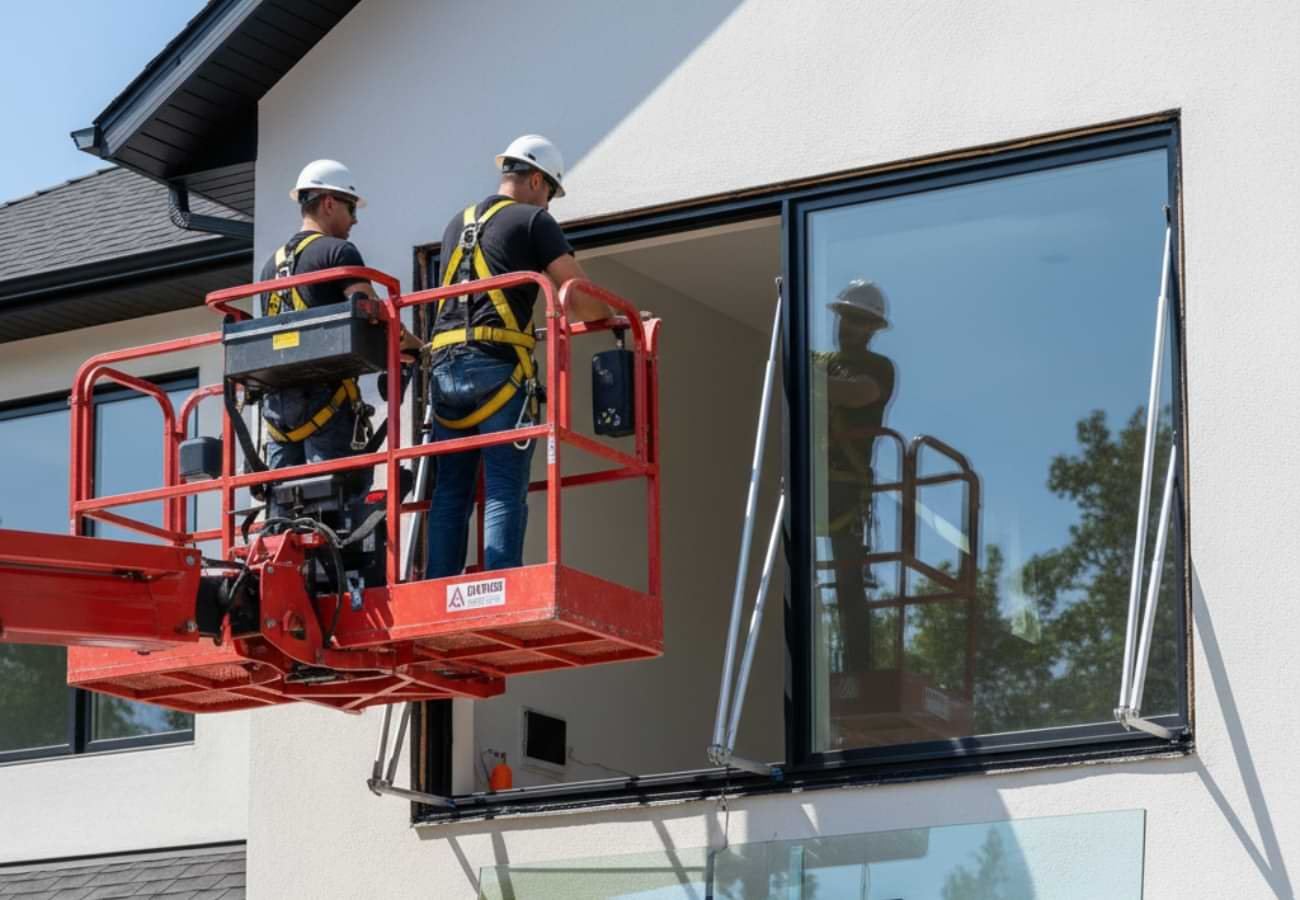
Safety, Weather, and Performance Factors
Gas strut windows are often used in exposed or high-traffic areas. Installation quality directly affects how they perform over time.
Critical considerations include:
- Wind load resistance for outdoor-facing windows
- Structural reinforcement of the opening
- Water drainage and weather sealing
- Safe operation in public or family spaces
Windows designed for outdoor entertaining rely on precise installation to remain safe and functional year-round.
Common Installation Mistakes to Avoid
Whether you choose DIY or professional installation, certain mistakes can undermine performance.
Avoid these issues:
- Underestimating the weight of the glass sash
- Skipping structural reinforcement
- Using incorrect fixings or anchors
- Ignoring drainage and flashing details
- Misaligning hinges or struts
Modern systems with advanced design depend on precision. Cutting corners often leads to operational problems.
How to Choose the Right Installation Option?
Before deciding, evaluate your situation honestly.
DIY installation may suit you if:
- You have professional-level construction experience
- The opening is small to medium
- Structural modifications are minimal
- You are comfortable working with heavy glazing
Professional installation is usually better if:
- The window is large or custom-made
- The space is commercial or high-use
- The window is exposed to weather
- Long-term reliability matters more than upfront savings
Choosing the right option early helps avoid costly mistakes later
Why Oridow Is the Right Supplier for Gas Strut Windows
The success of any installation starts with product quality. Oridow designs gas strut windows as engineered architectural systems, not generic window units.
Their windows are manufactured using premium materials, reinforced frames, and precisely calibrated struts. Each system is designed to suit its specific application, reducing installation complications and improving long-term performance.
With a broad range of window solutions, Oridow supports residential and commercial projects alike. Their technical documentation, engineering support, and installer guidance help ensure consistent results across different installation methods.
If you need expert advice on specifications or suitability, the Oridow support team provides practical guidance before installation begins.
Frequently Asked Questions About Gas Strut Window Installation
Is it difficult to install a gas strut window yourself?
Yes. Installation requires accurate measurements, correct strut calibration, and structural understanding. It is best suited to experienced builders.
Do gas strut windows require professional installation?
Not always, but professional installation is strongly recommended for large, custom, or commercial windows.
How long does professional installation usually take?
Most installations are completed within one day, depending on preparation and window size.
Are gas strut windows safe in windy locations?
Yes, when correctly specified and installed for wind loads. Installation accuracy is critical.


